How to Care for Dental Implants: Daily Maintenance Guide
-

- Published Updated
- 6,028 views

Dental implants are designed to provide a long-term solution for missing teeth, helping you eat, speak, and smile with confidence. While implants cannot develop tooth decay, they still need regular care to keep the surrounding gums and bone healthy.
At Shine Dental, we often hear patients ask, “How do I look after my dental implants?” The good news is that caring for implants is straightforward once you establish a daily routine.
This guide explains how to maintain your dental implants, what warning signs to look out for, and how regular dental visits can help support the long-term health of your smile.
Why Is Dental Implant Care Important?
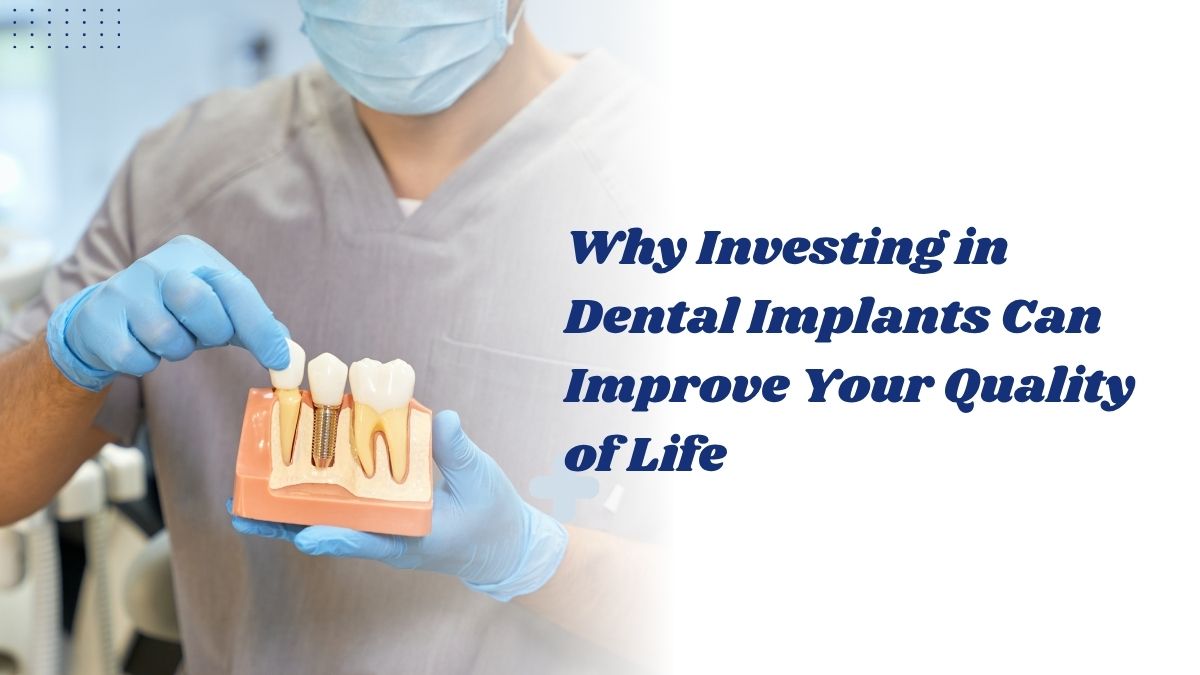
Dental implants are placed into the jawbone and act as artificial tooth roots. Although the implant itself is made from materials that do not decay, plaque and bacteria can still build up around the gum tissue.
Without proper cleaning, this can lead to inflammation known as peri-implant mucositis. If left untreated, it may progress to peri-implantitis, a condition that can affect the bone supporting the implant.
Recent research published in the British Dental Journal highlights the importance of ongoing supportive care, regular monitoring, and professional plaque removal in maintaining healthy implant tissues over time.
Your Daily Dental Implant Care Routine
Brush Thoroughly Twice a Day
Just as you would with natural teeth, brushing twice daily is essential.
Tips for effective brushing:
- Use a soft-bristled manual or electric toothbrush.
- Clean along the gum line carefully.
- Brush for at least two minutes.
- Use a fluoride toothpaste unless advised otherwise by your dentist.
Pay particular attention to the area where the implant crown meets the gum, as plaque can accumulate here.
Clean Between Your Teeth Every Day
A toothbrush alone cannot reach every surface.
Depending on your implant restoration, your dentist or hygienist may recommend:
- Interdental brushes
- Implant-friendly floss
- Floss threaders
- Water flossers
These tools help remove plaque and food debris from hard-to-reach areas.
Consider a Suitable Mouthwash
An alcohol-free antimicrobial mouthwash may help reduce bacterial build-up as part of your oral hygiene routine.
However, mouthwash should complement brushing and interdental cleaning rather than replace them.
Always follow advice provided by your dentist or hygienist.
Foods and Habits That Help Protect Dental Implants
Although implants are durable, healthy habits play an important role in their long-term maintenance.
Stay Hydrated
Drinking water throughout the day helps wash away food particles and supports a healthy oral environment.
Avoid Smoking
Smoking is recognised as a significant risk factor for implant complications and may affect healing and gum health.
If you smoke and are considering implants, your dental team can discuss support and guidance available to help you reduce or stop smoking.
Be Mindful of Hard Objects
Avoid chewing on:
- Ice
- Pen tops
- Hard sweets
- Other non-food items
These habits can place unnecessary stress on both implant restorations and natural teeth.
The Importance of Regular Dental Check-Ups
Home care is essential, but professional maintenance also plays an important role.
Research published in the Journal of Oral Implantology found that structured implant maintenance programmes may help reduce the risk of peri-implant disease and support long-term implant health.
During your routine appointments, your dentist may:
- Assess the health of your gums
- Check the stability of your implant
- Monitor surrounding bone levels
- Remove plaque and calculus deposits
- Discuss any concerns you may have
At Shine Dental, we encourage patients with implants to attend regular reviews so that any issues can be identified early.
Advice from Our Dental Team
"The patients who tend to do well with dental implants long term are usually those who maintain a consistent cleaning routine and attend their regular review appointments. Small daily habits can make a significant difference."
— Dentist at Shine Dental
"Many patients are surprised by how straightforward implant care becomes once they learn the right techniques. A few extra minutes each day can help support healthy gums around the implant."
— Dental Hygienist at Shine Dental
Signs You Should Contact Your Dentist
If you notice any of the following, arrange an appointment promptly:
- Bleeding around the implant
- Swollen or tender gums
- Persistent bad taste or bad breath
- Discomfort when chewing
- A feeling that the implant crown is loose
These symptoms do not always indicate a serious problem, but they should be assessed by a dental professional.
Looking After Your Smile for the Long Term
Dental implants can be a reliable option for replacing missing teeth, but their long-term success depends on good oral hygiene and regular professional care.
Current evidence continues to support the importance of personalised maintenance programmes, ongoing monitoring, and plaque control to help protect implant health over time.
If you have questions about caring for your implants or would like tailored advice, the team at Shine Dental can discuss your needs and help you maintain a healthy, confident smile.
Book a consultation with Shine Dental today to learn more about dental implant maintenance and ongoing care.