Dentist vs Dental Hygienist: Who Does What and When to See Each
-

- March 03rd, 2026
- 365 views

Get a free topical map and start building content authority today.
The choice between dentist vs dental hygienist affects diagnosis, treatment, and day-to-day oral care. Understanding each role—education, typical duties, and when to schedule which appointment—helps protect oral health and avoid unnecessary visits.
- Dentists diagnose, treat, and manage oral diseases and perform procedures like fillings, crowns, root canals, and extractions.
- Dental hygienists focus on preventive care: cleanings, oral-health education, periodontal screenings, and simple preventive treatments.
- Use the CARE checklist below to decide who to see first: Confirm symptoms, Assess urgency, Recommend provider, Evaluate follow-up.
Detected intent: Informational
dentist vs dental hygienist: who does what?
Definitions and core duties
A dentist (DDS or DMD) is a licensed clinician trained to diagnose and treat a wide range of oral health problems, from cavities to complex restorative or surgical procedures. A dental hygienist (often an RDH) is licensed to provide preventive care—professional cleanings (prophylaxis), oral hygiene instruction, periodontal maintenance, and some diagnostic screenings. Related roles include dental assistants, whose duties support both clinicians, and specialists such as periodontists or endodontists who handle targeted conditions.
Education, licensure, and scope
Dentists complete a dental degree and state licensure; dentists may also complete specialty residencies. Dental hygienists typically complete an accredited hygiene program and pass a hygiene license exam. Scope of practice varies by state or country; official standards and guidance from professional bodies like the American Dental Association define common expectations and best practices. For authoritative background on oral health guidance, see the ADA patient resources MouthHealthy (ADA).
When to choose a dental hygienist and when to see a dentist
When to see a dental hygienist
Common reasons to schedule with a hygienist: routine cleanings and exams, tartar removal, gum health monitoring, fluoride treatments, and instruction on brushing/flossing technique. If the question is "when to see a dental hygienist"—book a hygienist for preventive maintenance, routine periodontal checkups, or non-urgent oral-care education.
When to see a dentist
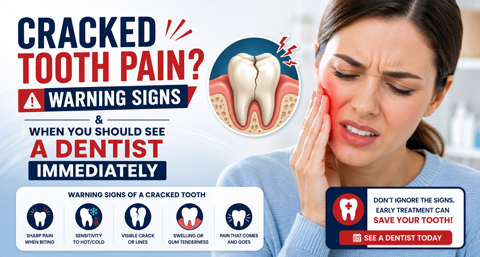
See a dentist for tooth pain, suspected cavities, broken teeth, signs of infection, persistent bleeding, orthodontic issues, or when a treatment like a filling, crown, root canal, or extraction might be needed. Dentists also manage complex periodontal disease in coordination with hygienists and specialists.
CARE checklist for choosing care
Use this short, named framework—the CARE checklist—when deciding between providers:
- Confirm the main symptom: pain, bleeding, routine maintenance, or cosmetic concern.
- Assess urgency: bleeding, swelling, or severe pain needs prompt dentist evaluation.
- Recommend the appropriate provider: hygienist for preventive care; dentist for diagnosis/treatment.
- Evaluate follow-up: ensure referrals and follow-up appointments are scheduled as needed.
Real-world example
Scenario: A patient notices light bleeding when flossing and has a six-month cleaning due. The hygienist performs a periodontal screening, finds early gingivitis, and provides scaling with oral-hygiene coaching. No immediate dentist procedure is needed, but the hygienist documents the findings and recommends a dentist visit if bleeding persists or pockets deepen. If instead the patient had severe swelling or uncontrolled bleeding, a dentist appointment would be the correct first step.
Practical tips for patients
- Keep routine cleaning appointments every 3–12 months as advised; hygienists track gum health trends and flag problems early.
- Contact a dentist promptly for acute symptoms: intense pain, swelling, abscess, or trauma.
- Bring a list of medications and a concise symptom history to every visit—this speeds diagnosis and appropriate referral.
- Ask the hygienist about preventive options (fluoride, sealants, smoking cessation resources) and follow their home-care recommendations.
Trade-offs and common mistakes
Trade-offs
Seeing a hygienist is efficient and cost-effective for prevention and maintenance. However, hygienists are not equipped to perform restorative or surgical treatments—those require a dentist. For complex conditions, early dental intervention may prevent more invasive procedures later.
Common mistakes
- Delaying dentist care for acute pain and assuming a hygienist visit will resolve it.
- Skipping routine hygiene visits because of cost—this can allow periodontal disease to progress.
- Not following up on a hygienist’s referral to a dentist when diagnostic or restorative treatment is recommended.
Core cluster questions
- What are the roles of a dental hygienist vs a dentist?
- How often should a dental hygienist perform cleanings for periodontal patients?
- Which symptoms require immediate dentist care rather than a hygiene visit?
- How do dentist and dental hygienist education and licensure differ?
- What preventive treatments can a dental hygienist provide during routine visits?
Resources and standards
Scope of practice and best-practice preventive guidance are set by national and state licensing boards and professional associations such as the American Dental Association and state dental boards. Local regulations influence what hygienists can perform without a dentist’s direct supervision.
Final checklist before booking
- Is the issue preventive (cleaning/education) or symptomatic (pain, swelling)?
- Is the issue urgent? If yes, choose a dentist.
- Is there a recent referral or treatment plan that specifies which provider is needed?
FAQ: What is the difference between a dentist vs dental hygienist?
Dental hygienists focus on preventive care and cleanings; dentists diagnose and treat disease and perform restorative or surgical procedures. Both collaborate on treatment plans; licensure and scope differ by jurisdiction.
FAQ: Can a dental hygienist fill cavities?
Generally no—restorative treatments such as fillings are performed by dentists. Some regions allow limited restorative duties by hygienists under specific protocols; check local scope-of-practice rules.
FAQ: How often should I see a hygienist for cleanings?
Frequency depends on oral health: commonly every six months for routine care, more often (every 3–4 months) for periodontal maintenance. A provider will recommend an interval based on gum health and disease risk.
FAQ: When should a hygienist refer to a dentist?
Referral is appropriate for suspected cavities, signs of infection, abnormal oral lesions, increasing pocket depths, or when symptoms don’t improve after preventive care.
FAQ: How to choose between providers for a new symptom?
Use the CARE checklist: confirm the symptom, assess urgency, select the recommended provider (hygienist for preventive issues; dentist for acute or diagnostic needs), and evaluate follow-up plans.