From Smart Processing to Clean Labels: Trends Transforming Dessert Spreads for Bakers
-

- Published Updated
- 4,507 views
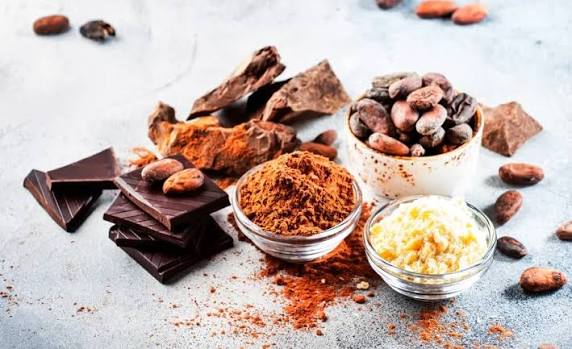
Traditionally used as a filler or topping, dessert spreads are now viewed as key ingredients for flavor, texture, visual appeal, shelf life, production efficiency, and market positioning. As the variety of baked goods continues to grow, driven by the rising demand for natural ingredients, the expectations for spreads are also changing.
For manufacturers and professional bakers, using dessert spreads for bakery products, it is important to ensure not only intense flavor notes of chocolate, nuts, caramel, or other ingredients but also functional benefits such as high-quality consistency, spread ability, easy deposition, cleaner labels, and stability through production
Trends in Bakery Dessert Spread
It is increasingly common for bakery dessert spreads to act as fillings or toppings while also serving as flavoring agents. This poses a challenge for bakers to create products with desirable consistency, texture, and stability under various temperatures and processing conditions. Additionally, manufacturers are looking to expand the application of a given spread to multiple product categories, while maintaining quality and unique flavor notes.
Meanwhile, the formulation needs to ensure optimal characteristics for a given method of production, such as deposition temperatures or mixing abilities. The correct balance needs to be achieved between such parameters as consistency, flavor, and viscosity.
Smart Processing Assists in Achieving Higher Quality and Consistency
Spreads for bakery products are typically produced using a mixing process where ingredients are combined at a certain speed and temperature. Particular attention is paid to factors such as viscosity, mixing, shear, cooling rates, and holding. With the right smart processing technology and tools for dessert spreads, it is possible to optimize the production and ensure higher consistency.
It is of utmost importance for commercial production to maintain stable quality and predictable characteristics, such as viscosity during mixing and deposition. Smart processing technology for dessert spreads enables precise control over various stages and temperatures.
Clean Labels Are in Higher Demand Among Consumers
Many consumers are interested in what they eat. Ingredients in a product formulation are of particular importance to many shoppers, so the demand for clean label dessert spreads for bakers is on the rise. As such, clean-label dessert spreads for bakers enable formulators to respond to the demand for recognizable ingredients and a shorter ingredient list.
The key is to understand that the term “clean label” is not universal in terms of specific criteria in different regions and product categories. At the same time, there is a common trend towards recognizable ingredients, such as simple sugars, and a reduced number of additives. Simplification of formulation is often challenging because each ingredient serves a particular function.
Fat may be needed for desirable texture and stability, emulsifiers ensure a homogeneous consistency, and stabilizers help maintain the structure during storage and during baking. Therefore, it is important to find a balance between a short list of ingredients and performance characteristics.
Lower-Sugar Options Enable Bakers to Meet Market Demands
When it comes to dessert spreads, sugar is not only a source of sweet taste, but it also affects the texture, stability, and overall flavor profile. However, many bakers and manufacturers are looking to respond to the demand for products with reduced sugar levels, so there are now several options for lower-sugar spreads for bakers, produced with alternative sweeteners.
The choice of sweeteners affects many characteristics, from viscosity and water activity to flavor, color, and overall stability, which must all be taken into consideration during formulation. It is important to note that such ingredients as fat may also impact the ability to reduce the level of sugar. At the same time, the current trends indicate that consumers want to be able to enjoy desserts and bakery products with a rich flavor profile, so there are many opportunities to explore new systems.
Fat in Bakery Dessert Spreads Plays a Critical Role
Fat is often one of the most important ingredients in dessert spreads for bakers due to its impact on mouthfeel, texture, melting ability, and flavor. At the same time, there is an emerging demand for products with reduced levels of saturated fats and cholesterol. There are several opportunities for fat replacement that help to modify the composition, texture, and flavor, while taking into account the nutritional benefits.
However, the adjustments to the fat system may impact many characteristics, such as product structure or melting ability. Therefore, it is important to choose the right system for the given application, taking into consideration such parameters as heat resistance and consistency. This is especially important for dessert spreads for commercial bakeries which are exposed to a variety of temperatures and conditions.
Heat Stability Is Often a Challenge in Bakery Production
While some types of dessert spreads are applied to already baked goods, such as cookies or scones, many are used during production and undergo additional heating. This may be particularly challenging for products with fillings and toppings since extremely high temperatures may destroy delicate spreads, causing them to melt or burn.
In such cases, it is vital to choose a spread with optimal heat stability to ensure that it will hold its shape and consistency during baking. The same quality is beneficial for other filled products, such as pastries, bagels, or other baked goods with insertions. Heat stability also assists in maintaining an appealing appearance of a product.
Texture Engineering Enables Superior Sensory Appeal and Offers Differentiation Opportunities
Today, consumers are increasingly looking for products with unique texture and mouthfeel. Depending on the application, a dessert spread can be creamy, crunchy, smooth, or include various additional inclusions. There are also opportunities for textural contrast, for instance, a combination of smooth filling and a crunchy topping. For bakers, such possibilities present an opportunity to create and offer a product with superior eating quality.
At the same time, the importance of texture is not limited to the final product. A carefully engineered texture of a dessert spread can assist in its deposition and optimal mixing with other ingredients, thereby improving the production process.
Natural Flavors Are Part of the Growing Trend Toward Simpler Ingredients
When it comes to dessert spreads, chocolate and vanilla remain two universally popular flavors. However, there is also a growing demand for products with added notes of nuts, coffee, fruits, or other ingredients. As such, bakers are looking to choose from a wide range of flavor systems for their spreads that enable them to offer unique products to their customers. Natural flavors often play a major role in such innovations due to their recognizable notes and ingredients.
At the same time, it is important to ensure that the chosen flavor system maintains its stability during production and storage while also delivering the desired flavor intensity. In this regard, multi-functional systems are a convenient solution for bakers who aim to provide a unique flavor experience to their customers. Additionally, the use of recognizable flavor ingredients aligns with the overall trend toward clean-label products
Shelf Life and Stability Are Often Top Priorities for Bakers
Many of the aforementioned trends, such as reduced sugar levels or alternative sweeteners, contribute to the shorter shelf life of bakery products. At the same time, stability and prolonged shelf life remain vital for most bakers who want to ensure that their products meet the expectations of their customers. A high-quality spread should possess the necessary characteristics from production to the final stage right after opening.
The formulation and smart production play an essential role in this process since they determine the key attributes of a given product, including stability under various conditions. Appropriate packaging is also vital, as it helps to maintain the integrity and unique qualities of bakery dessert spreads, protecting it from outside factors.
Customized Specifications Are Gaining in Demand Across Bakery Production
Spreads are often seen as a means to enhance the qualities of another product, such as a cake, tart, or muffin. However, not all bakers have the same requirements. For instance, a small-scale producer may prioritize taste and texture while a larger manufacturer may be more concerned with pumping ability, stability during baking, and cost efficiency. Therefore, it is becoming increasingly common for bakers to turn to customized specifications rather than the standard options.
There are numerous factors that need to be taken into account, such as viscosity, sweetness level, particle size, heat stability, color, fat content, and others. The formulation of a dessert spread can be adjusted to meet the specific requirements of a particular type of production. As a result, such a product can serve as an integral part of a larger process rather than simply an additional ingredient.
Why These Trends Are Important for Bakers
Many of these developments in the field of dessert spreads reflect the changing demands for bakery products and the evolving role of such products as fillings or toppings. More and more frequently, the quality of a dessert is determined not only by its ingredients and taste but also by the production process, the ease of preparation, and the ability of the product to maintain its qualities. Therefore, it is no longer enough to simply choose a spread based on its flavor and price; bakers should pay greater attention to its characteristics and the way in which it will be used.
For instance, a spread for cake layers will have different specifications compared to a spread for injection into a pastry. Similarly, the requirements for a product sold in a retail chain may differ from those for a local bakery. Choco Nutri India Private Limited is just one of the many manufacturers that recognize the importance of these details, as they help to provide the end customer with an outstanding experience.
Looking Ahead
The future of the dessert spread market will continue to be dominated by two main trends, namely the shift towards smart production and changing consumer preferences. Smart processing technology for dessert spreads is set to dominate the market in 2023 and beyond, as it enables manufacturers and bakers to maintain high quality and optimize production. At the same time, the demand for clean labels is driving formulation changes, as companies seek to respond to the desire for fewer additives and recognizable ingredients. Meanwhile, the development of heat stable spreads, advanced textures, reduced-sugar options, and other innovations is ongoing.
For bakers using dessert spreads for bakery products, the opportunities created by these trends should not be overlooked, as a high-quality dessert spread can do much to improve the quality of a product as well as the production process itself.