How Digital Marketing Services Can Boost Your Business Growth
-
- September 21st, 2026
- 32 views
How Digital Marketing Services Help Businesses Grow Online
Understanding Digital Marketing Services
Digital marketing has become an important part of how modern businesses attract customers and communicate with their audiences. Digital Marketing Services include different online marketing activities that help businesses improve visibility, reach potential customers, generate enquiries, and develop a stronger online presence.
Instead of depending on one promotional channel, businesses can combine search engine optimization, paid advertising, social media, content creation, email marketing, and website optimization. The right combination depends on the company's goals, target audience, industry, and available resources.
For businesses interested in learning more about the relationship between digital marketing and business growth, this Digital Marketing Services guide provides additional insights.
Why Businesses Need a Strong Online Presence
Customers often search online before contacting a business or purchasing a product. They may compare different companies, read reviews, visit websites, watch videos, or interact with brands on social media.
This makes online visibility an important consideration for businesses.
A strong digital presence can help a business:
Reach potential customers beyond its local area
Provide information about products and services
Generate website traffic
Build brand awareness
Encourage customer enquiries
Maintain communication with existing customers
Measure marketing activities more effectively
Digital marketing also gives businesses the ability to monitor performance and make changes when necessary.
Major Components of Digital Marketing
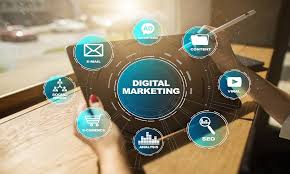
Digital marketing is not a single activity. It includes several channels that can work together as part of a broader strategy.
| Marketing Channel | Primary Role |
|---|---|
| SEO | Improve organic search visibility |
| PPC | Reach audiences through paid advertisements |
| Social Media | Encourage interaction and brand awareness |
| Content Marketing | Educate and inform potential customers |
| Email Marketing | Maintain customer communication |
| Analytics | Measure marketing performance |
Understanding what each channel does can help businesses create a more organized marketing plan.
Search Engine Optimization for Long-Term Visibility
Search engine optimization, or SEO, focuses on improving a website's ability to appear in relevant organic search results. It can involve keyword research, website structure, content optimization, technical improvements, internal linking, and local search activities.
SEO is particularly useful when businesses want to attract people who are actively searching for information, products, or services.
A basic SEO strategy may include:
Researching relevant search terms
Creating useful website content
Improving page titles and descriptions
Optimizing website structure
Improving website speed and usability
Building relevant internal links
Monitoring search performance
SEO generally requires consistency. Businesses should focus on providing useful information instead of simply adding keywords repeatedly.
Paid Advertising and PPC
Pay-per-click advertising provides businesses with another way to reach potential customers online. Advertisements can appear when people search for specific terms or browse platforms where targeted advertising is available.
PPC campaigns can be useful for promoting:
Products
Services
Special offers
Landing pages
New business locations
Lead-generation campaigns
One advantage of paid advertising is that businesses can monitor campaign data and adjust targeting, advertisements, and budgets based on performance.
Social Media Marketing
Social media provides businesses with opportunities to communicate directly with their audiences. Platforms such as Instagram, Facebook, LinkedIn, and YouTube can be used for different types of content and audiences.
A business can use social media to share:
Educational posts
Product information
Company updates
Short videos
Customer-focused content
Industry insights
Promotional announcements
Successful social media marketing is not only about posting regularly. Content should be relevant to the audience and provide a reason for people to interact with the business.
Content Marketing Builds Useful Connections
Content marketing focuses on creating information that helps an audience understand a topic, solve a problem, or make a better decision.
Businesses can publish different forms of content, including:
Blog articles
Guides
Tutorials
Case studies
Videos
Infographics
Frequently asked questions
Useful content can support other marketing activities as well. For example, an informative article can attract visitors through search engines and then guide them toward relevant products or services.
Choosing a Trusted Digital Marketing Agency
Businesses that do not have an internal marketing team may consider working with a trusted digital marketing agency. An agency can provide specialized services and help organize different online marketing activities.
Before selecting an agency, businesses should consider several factors.
Experience and Expertise
Look at whether the agency understands the business's industry, customers, and marketing objectives.
Services Offered
Check whether the agency provides the services that the business actually needs, such as SEO, PPC, social media marketing, content marketing, or website optimization.
Reporting
Clear reporting helps businesses understand what activities are being performed and how campaigns are progressing.
Communication
Regular communication can make it easier to discuss goals, changes, challenges, and new opportunities.
What Makes a Digital Marketing Strategy Effective?
An effective strategy should begin with the business objective rather than with a particular marketing channel.
For example, a business that wants more organic traffic may focus heavily on SEO and content. A company launching a new service may combine paid advertising, social media, and landing-page optimization.
A practical strategy can follow these steps:
Define specific business goals.
Identify the target audience.
Research customer needs and search behaviour.
Select appropriate marketing channels.
Develop useful content and campaigns.
Monitor relevant performance metrics.
Review the results regularly.
Improve campaigns based on the available data.
Finding India's Best Marketing Company for Your Needs
When businesses search for india's best marketing company, they may find many agencies making different claims about their services. Rather than focusing only on promotional language, businesses can compare agencies according to their experience, services, communication, reporting, and approach to strategy.
The right agency should understand that every business has different customers and objectives. A strategy designed for an e-commerce company may not be suitable for a local service provider or a B2B organization.
Businesses should therefore look for an approach that matches their specific requirements.
Measuring Digital Marketing Performance
Measurement is an important part of online marketing. Businesses can track different metrics depending on their objectives.
Common metrics include:
Website traffic
Search visibility
Click-through rates
Advertising performance
Leads and enquiries
Social media engagement
Conversion rates
Customer acquisition costs
These measurements can provide useful information about what is working and where adjustments may be required.
The Role of a Digital Marketing Agency
A digital marketing agency can help businesses coordinate different online activities and maintain a consistent strategy. Instead of treating SEO, advertising, social media, and content as completely separate activities, businesses can connect these channels around common objectives.
For example, SEO and content can work together to attract organic visitors, while PPC can provide additional paid visibility. Social media can help distribute content and maintain audience engagement.
The exact approach should be based on the business's target market and goals.
Conclusion
Digital marketing provides businesses with multiple ways to reach potential customers and develop their online presence. From SEO and PPC to social media and content marketing, each channel can contribute differently to a broader strategy.
The key is to select suitable services, create useful content, understand the target audience, and regularly evaluate performance. Businesses can also work with a digital marketing agency when they need specialized knowledge or support managing multiple online channels.
A clear strategy based on business objectives can make digital marketing more organized, measurable, and useful for long-term online growth.