How to Fix a Heater Blowing Cold Air: A Practical Troubleshooting Guide
-
- Published Updated
- 438 views
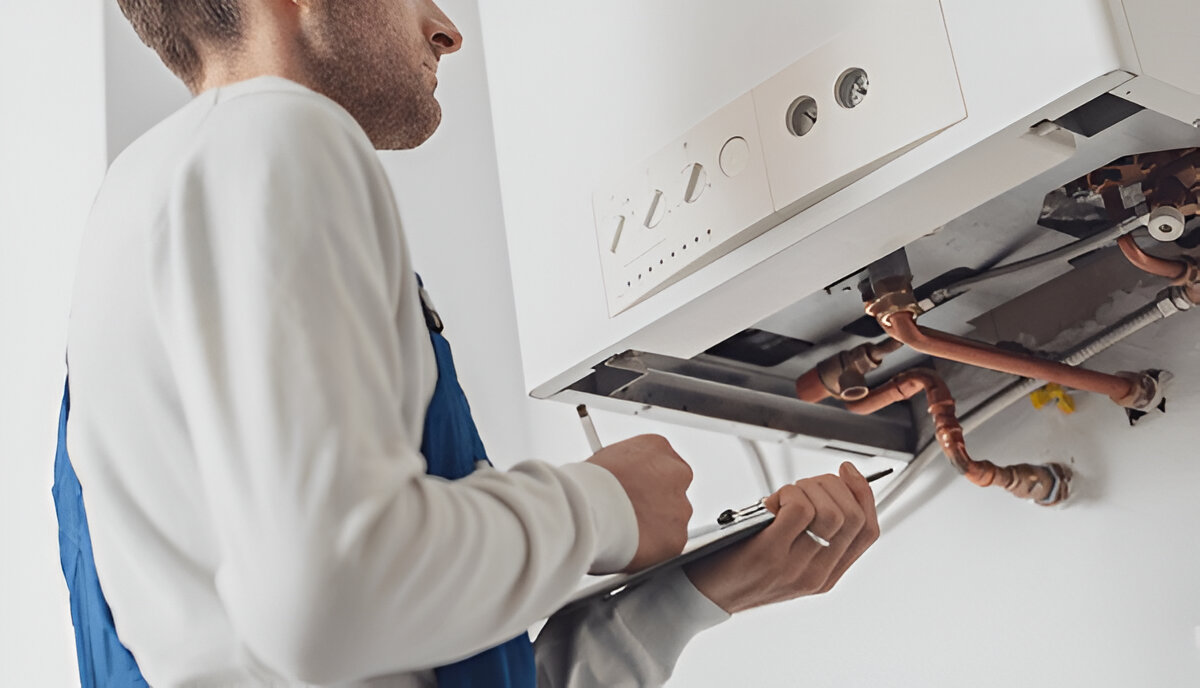
When a heater starts blowing cold air the house stays uncomfortable and energy gets wasted. This guide explains how to diagnose the problem, which checks to perform first, and when to call a professional. The information below suits gas furnaces, electric furnaces, and heat pumps and focuses on practical, safety-first troubleshooting.
Why your heater blowing cold air is a common winter problem
Understanding the typical causes of a heater blowing cold air helps prioritize checks. The phrase heater blowing cold air most often points to four areas: failed ignition or pilot, blocked combustion or venting, restricted airflow, or control/thermostat issues. For heat pumps it can also mean the system is stuck in defrost mode or low on refrigerant.
HEAT Troubleshooting Checklist (named framework)
Use the HEAT framework to work systematically and avoid missed steps.
- H — Heating source: Confirm the burner, pilot, or electric heating elements are functioning and not locked out.
- E — Exhaust & venting: Check flues, chimneys, condensate drains, and outdoor vents for blockages or collapse.
- A — Airflow: Inspect filters, supply and return vents, blower motor, and ductwork for obstructions or closed dampers.
- T — Thermostat & controls: Verify settings, wiring, batteries, and fault codes on control boards.
Step-by-step diagnostic actions
1. Confirm basic conditions and safety
- Check carbon monoxide and smoke alarms—evacuate and call emergency services if alarms are triggered.
- Turn off the system if there is a gas odor, visible flame issues, or control board faults.
2. Verify thermostat and settings
Set the thermostat several degrees above room temperature and switch the system mode to heat. Replace batteries and confirm wiring is intact. A faulty thermostat can leave the system running without activating the burner or heat elements.
3. Inspect filters, vents, and blower
Replace dirty filters. Ensure supply registers and return grilles are open and not blocked by furniture. Observe the blower: if the fan runs but no heat is produced, the issue may be at the heating source rather than airflow.
4. Check ignition and flame (gas furnaces)
Modern furnaces use an electronic ignition. If the blower runs but the burner never lights, a failed ignitor, flame sensor, or a gas valve issue is likely. Do not attempt to disassemble gas components—visual checks are okay; leave repairs to licensed technicians.
5. Heat pumps and defrost cycles
Heat pumps may blow cooler air briefly during defrost or if reversing valve faults occur. Persistent cool air or weak airflow can point to low refrigerant or compressor issues.
Common mistakes and trade-offs
Common mistakes to avoid
- Replacing parts without proper diagnosis — e.g., swapping an expensive control board when the filter or flame sensor was the problem.
- Running a gas appliance with a suspected gas leak or blocked venting.
- Overlooking simple fixes like a tripped breaker or a thermostat in the wrong mode.
Trade-offs when deciding to DIY vs. hire a pro
- DIY saves money for simple tasks (filter changes, thermostat battery swaps) but risks safety and equipment damage for fuel-burning appliances.
- Hiring a licensed technician costs more upfront but protects against combustion hazards, carbon monoxide risks, and incorrect refrigerant handling.
Practical tips: 5 action points to try before calling a contractor
- Replace the HVAC filter and inspect supply/return vents—this resolves many airflow-related cold-air complaints.
- Reset the thermostat and circuit breaker for the furnace or air handler; wait five minutes and observe startup sequence.
- Check the outdoor unit (for heat pumps) for ice buildup; gently clear small ice and allow a full defrost cycle to finish.
- Look for error codes on the furnace control board and consult the unit’s manual for code definitions.
- Confirm that fuel supplies (gas/electric) are connected and service switches are in the ON position.
Short real-world example: Dino Plumbing’s heating contractor diagnosis
A homeowner reported a heater blowing cold air despite the blower running. Dino Plumbing's heating contractor followed the HEAT checklist: verified thermostat settings, found a heavily soiled filter, observed that the flame sensor was intermittently detecting flame, and saw a small buildup in the flue. After cleaning the flame sensor and replacing the filter, the furnace ignited reliably and heat returned. The contractor noted a corroded section of venting that would need replacement at the next service visit to prevent recurrence.
When to call a professional
Call a licensed technician if any of these are present: persistent flame failure, gas smells, repeated lockouts, flashing fault codes that cannot be cleared, refrigerant concerns, or visible venting or combustion issues. For safety and code compliance, repairs on gas valves, burners, or refrigerant systems should be performed by certified technicians.
For official guidance on residential heating safety and maintenance, consult the U.S. Department of Energy’s heating resources here.
Core cluster questions
- Why does a furnace run but not produce heat?
- How often should HVAC filters be changed to prevent cold air problems?
- What are the signs of blocked flue or venting in a gas furnace?
- How does a heat pump behave differently when it’s low on refrigerant?
- When should a pressure switch or flame sensor be replaced?
Final checklist before calling for service
- Filter status changed or confirmed good
- Thermostat mode and batteries checked
- Blower and vents inspected for blockage
- No gas odor and alarms functioning
- Any control or fault codes recorded for the technician
FAQ
Why is my heater blowing cold air instead of warm?
Common reasons include a dirty filter or blocked vents, ignition failure or flame sensor issues in gas furnaces, a heat pump in defrost or low-refrigerant condition, incorrect thermostat settings, or electrical/controls that prevent the heating elements from activating.
How often should filters be replaced to prevent cold air from the heater?
Replace disposable filters every 1–3 months depending on occupancy, pets, and indoor air quality. Pleated and higher-MERV filters may last longer but should still be checked monthly during high-use seasons.
Can a thermostat cause a heater to blow cold air?
Yes. If the thermostat is set to the wrong mode, has dead batteries, or has faulty wiring, it can fail to trigger the burner or heating elements even though the blower runs.
Is it safe to try repairs when the furnace is blowing cold air?
Simple checks (filters, thermostat batteries, breakers) are safe. Any work involving gas lines, burners, venting, or refrigerant should be left to licensed professionals due to safety and code requirements.
What should a technician check first when a furnace blows cold air?
Technicians typically follow a framework like HEAT: verify the heating source (ignition/flame), inspect exhaust and venting, confirm airflow and blower operation, and review thermostats and control board codes. Accurate observation of symptoms and recorded fault codes speeds diagnosis.