
Discover Italy: Iconic Landmarks, Cultural Treasures, and Natural Splendor
-
- March 06th, 2026
- 1,215 views

FREE SEO Topical Map Generator: Find Your Next Content Ideas
Italy landmarks draw millions of visitors each year to historic cities, coastal towns, and mountain landscapes. This guide highlights iconic monuments, cultural treasures, and natural splendors across the peninsula, offering context about UNESCO World Heritage sites, major museums, and national parks.
- Major highlights include the Colosseum, Vatican Museums, the Leaning Tower of Pisa, and Venice's canals.
- Italy is home to more UNESCO World Heritage sites than any other country, spanning archaeological sites, historic centers, and natural areas.
- Regions such as Tuscany, Campania, Lombardy, Veneto, and Sicily offer distinct cultural and natural attractions.
Italy landmarks: Major icons and where to find them
Rome — Ancient monuments and Vatican City
Rome's urban fabric mixes ancient, medieval, and Baroque layers. The Colosseum and the Roman Forum remain central to archaeological tourism; St. Peter's Basilica and the Vatican Museums house Renaissance masterpieces by Michelangelo and Raphael. Vatican City is a separate sovereign entity with cultural and religious significance that attracts global visitors.
Florence and the Renaissance
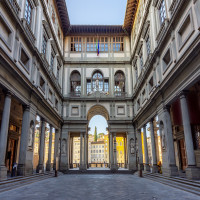
Florence is associated with the Renaissance and artists such as Leonardo da Vinci and Michelangelo. Key sites include the Uffizi Gallery, the Duomo (Cathedral of Santa Maria del Fiore), and the Accademia Gallery with Michelangelo's David. Florence's historic center is recognized for its concentrated heritage and urban continuity.
Venice, canals, and historic waterways
Venice's canal system, the Piazza San Marco, and the Doge's Palace reflect a maritime republic's history. Preservation challenges related to flooding and overtourism are addressed by national and local authorities, and Venice is often highlighted in studies on climate resilience and heritage management.
Other emblematic monuments
The Leaning Tower of Pisa in Tuscany, the archaeological ruins of Pompeii and Herculaneum near Naples, and the Amalfi Coast's cliffside towns are among Italy's most photographed destinations. Sicily and Sardinia add Greek temples, Norman cathedrals, and Mediterranean landscapes to the national portfolio.
Historic cities, museums, and the role of cultural institutions
Museums and conservation
Museums such as the Vatican Museums, the Uffizi, and national archaeological museums preserve artistic and material culture spanning millennia. The Ministero della Cultura (MiC) manages state-owned collections and conservation programs, often collaborating with universities and international heritage organizations.
UNESCO recognition and research
Italy hosts more UNESCO World Heritage sites than any other country, covering historic centers, archaeological parks, and natural areas. UNESCO designation supports conservation planning and international research into cultural landscapes.
For official information about Italy's World Heritage sites and related designations, consult the UNESCO country listing.
Coastlines, mountains, and protected natural areas
Coastal attractions
The Amalfi Coast, Cinque Terre, and the island archipelagos around Sardinia and Sicily offer dramatic coastlines, maritime traditions, and unique ecosystems. Coastal tourism mixes beach recreation with hiking routes that traverse terraced vineyards and historic villages.
Mountains and national parks
The Dolomites, part of the Alps, are noted for geological features and alpine landscapes. National parks such as Gran Paradiso, Stelvio, and the Pollino protect biodiversity and provide opportunities for hiking, wildlife observation, and winter sports.
Practical travel considerations and sustainable visiting
Seasonality and crowding
Peak visitor seasons in summer and major religious holidays increase demand at top sites. Visiting shoulder seasons (spring and autumn) can reduce crowding and provide milder weather. Cities and regions publish visitor guidelines to manage flows and preserve fragile sites.
Accessibility and transport
Major cities are connected by high-speed rail and regional transport networks. Historic centers often restrict vehicle access to reduce traffic and protect historic streets. Visitor centers and official tourism offices provide up-to-date information on ticketing, guided tours, and accessibility services.
Key regions to explore
Tuscany and Umbria
Rolling hills, vineyards, and hilltop towns characterize Tuscany; art and architecture concentrate in Florence, Siena, and Pisa. Umbria offers medieval towns such as Assisi and Perugia and quieter rural landscapes.
Campania and southern Italy
Campania includes Naples, Pompeii, the Amalfi Coast, and the island of Capri. Southern Italy features distinct culinary traditions, archaeological sites, and coastal scenery that contrast with northern alpine environments.
Preserving heritage and ongoing challenges
Conservation priorities
Conservation efforts focus on preventing structural decay, mitigating environmental threats like sea-level rise, and balancing tourism with local life. Partnerships among national ministries, regional governments, universities, and international bodies support research and restoration work.
Community and sustainable tourism
Initiatives promoting sustainable tourism aim to distribute visitors across less-known sites, encourage slow travel, and support local economies while safeguarding landscapes and cultural practices.
Further reading and research
Academic journals in art history, archaeology, and conservation publish ongoing research about Italy's cultural heritage. National inventories and regional management plans are available through institutional portals operated by cultural authorities.
Frequently Asked Questions
What are the must-see Italy landmarks?
Must-see landmarks often include the Colosseum and Roman Forum in Rome, the Vatican Museums, Florence's Duomo and Uffizi, Venice's canals and Piazza San Marco, Pompeii's archaeological site, and the Leaning Tower of Pisa. Choice depends on interests—archaeology, Renaissance art, or scenic landscapes.
How many UNESCO World Heritage sites are in Italy?
Italy has the largest number of UNESCO World Heritage sites of any country, with sites that range from archaeological parks and historic city centers to cultural landscapes and natural reserves.
When is the best time to visit to avoid crowds?
Shoulder seasons—spring (April–June) and autumn (September–October)—tend to offer milder weather and fewer visitors than peak summer months. Specific events and holidays can affect crowd levels in some cities.
Are there national programs for heritage preservation?
The Ministero della Cultura (MiC) coordinates national conservation programs and works with regional authorities, museums, and research institutions to monitor and restore cultural assets.
