How Interior Design Shapes Your Lifestyle: Practical Guide to Creating Supportive Spaces
-

- March 04th, 2026
- 209 views

Get a free topical map and start building content authority today.
Introduction
The impact of interior design reaches beyond aesthetics: it influences mood, productivity, comfort, and how daily routines unfold. Understanding how space, light, color, and layout interact helps create surroundings that support a specific lifestyle—whether that means quiet concentration for remote work, active family living, or accessible aging-in-place.
Detected intent: Informational
Understanding the impact of interior design
Interior design shapes physical conditions that affect behavior and well-being. Terms often used in this field include spatial planning, circulation, ergonomics, acoustics, lighting design, biophilic design, and color psychology. Each element contributes to measurable outcomes—sleep quality, stress levels, social interaction, or task performance. Professionals reference standards from organizations such as the American Society of Interior Designers for best practices and ethical guidance (ASID).
Core principles: How interior design affects lifestyle
Design choices fall into a few functional categories that determine how a space will be used:
- Function: Rooms should prioritize the main activities they support (e.g., a home office needs task lighting and acoustical control).
- Flow and circulation: Clear pathways reduce friction and make routines faster and safer.
- Comfort and ergonomics: Furniture height, seating support, and reachable storage reduce fatigue and injury risk.
- Lighting and color: Natural light and appropriate artificial lighting influence circadian rhythms and mood; color affects perceived scale and emotional response.
- Adaptability: Flexible elements let a space evolve with lifestyle changes (folding tables, movable storage, multipurpose rooms).
SPACE Framework: A practical planning model
Use the SPACE Framework to evaluate or redesign a room. SPACE is a short, named checklist that fits planning conversations, quick audits, or procurement decisions.
- S — Survey: Observe current use, traffic patterns, and problem points.
- P — Purpose: Define primary and secondary activities for the space.
- A — Adaptability: Identify ways the space can be flexible for future needs.
- C — Comfort & Code: Address ergonomics, lighting, acoustics, and building safety or accessibility codes.
- E — Elements: Specify material, color, storage, and layout elements to support the purpose.
Practical checklist for a room redesign
- Survey circulation paths and mark a 3–5 minute routine—does the layout slow daily tasks?
- Measure and set ergonomic dimensions for seating and work surfaces.
- Audit lighting: maximize daylight, add layered task and ambient light, and control glare.
- Choose materials with maintenance, acoustic, and thermal properties that match lifestyle needs.
- Plan storage within reach and create designated zones for primary activities.
Real-world example: Small apartment for a remote worker
Scenario: A one-bedroom apartment needs to serve as a workspace, relaxation area, and guest sleeping area. Applying the SPACE Framework produced this plan:
- Survey: Desk by the window had glare issues and weak storage.
- Purpose: Daily focused work for 6 hours, evening relaxation, occasional guests.
- Adaptability: Added a fold-down desk and mobile storage to free floor space when not working.
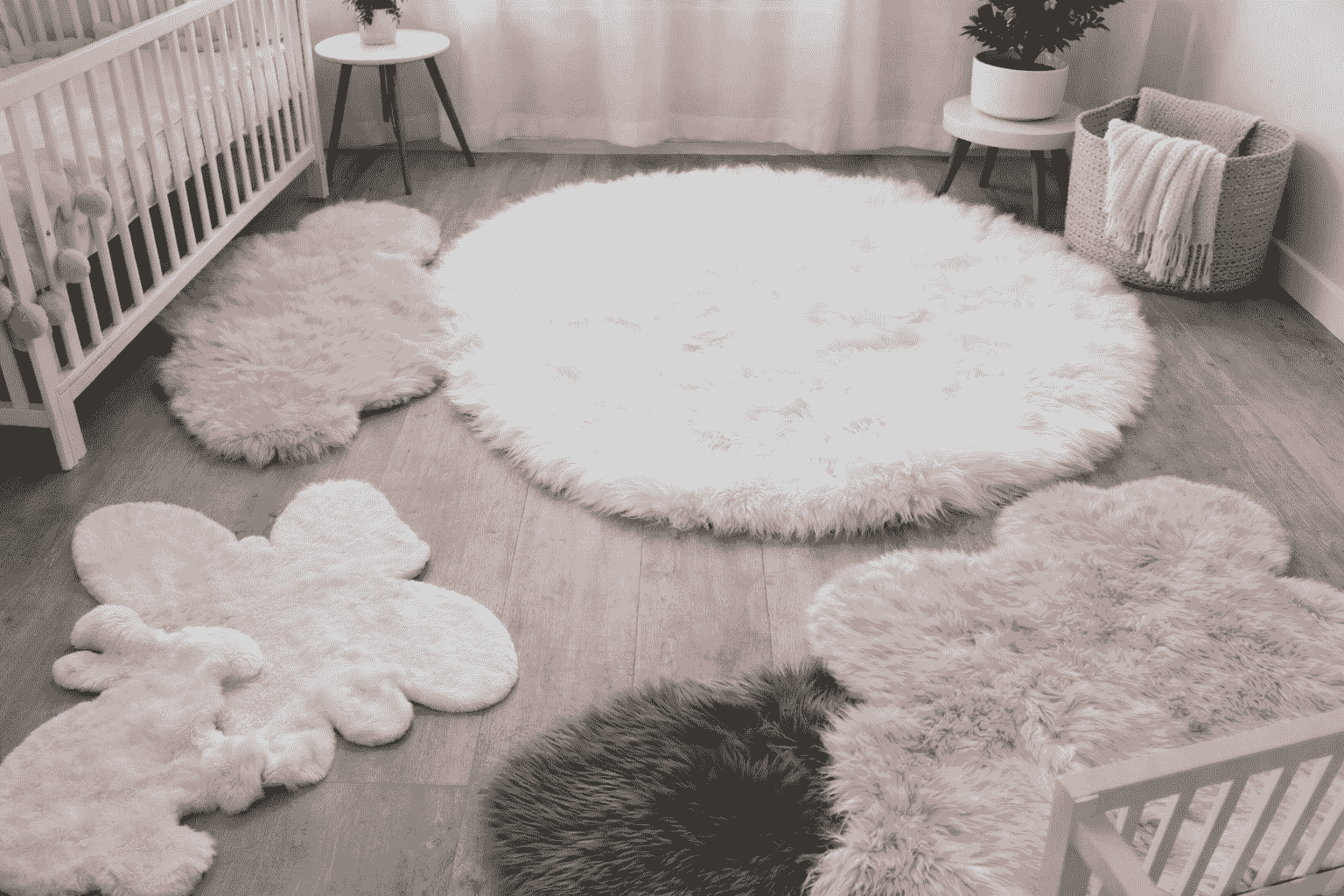
- Comfort & Code: Replaced a low chair with an adjustable ergonomic task chair, installed layered lighting (task and dimmable ambient), and added an acoustic rug to reduce noise.
- Elements: Neutral wall color to reduce visual fatigue, plants for biophilic benefit, and a convertible sofa bed to serve guests.
Result: Work focus improved, transition time between work and relaxation shortened, and the space remained welcoming for guests—demonstrating measurable lifestyle alignment with design changes.
Practical tips for everyday decisions
- Prioritize natural light: Position high-use work and living zones near windows; use sheer curtains to diffuse glare.
- Define zones visually: Use rugs, lighting, and furniture orientation to create activity areas without building walls.
- Choose multipurpose furniture: Select pieces that add storage, convert for different activities, or fold away.
- Test colors at different times of day: Paint swatches on walls and observe them morning through evening before committing.
- Address acoustics early: Soft surfaces, rugs, and curtains reduce stress and improve speech privacy for busy households.
Trade-offs and common mistakes
Trade-offs are inherent in design decisions; understanding them prevents regrets:
- Open plans improve social interaction but reduce privacy and can amplify noise. Consider acoustic treatments if choosing openness.
- Maximizing storage may reduce usable floor area; balance visible storage with hidden cabinets to avoid cluttered appearance.
- Designing for aesthetics alone often sacrifices comfort or function—test seating and lighting before buying.
Common mistakes include underestimating circulation needs, ignoring lighting layering, choosing furniture without measuring the doorways, and selecting materials that are unsuitable for household use (e.g., delicate fabrics in high-traffic family areas).
Core cluster questions for related reading and internal linking
- How does lighting design influence productivity and sleep?
- What are practical ways to make small spaces feel larger without renovations?
- Which colors are best for calm, energized, or focus-driven environments?
- How can acoustics be improved affordably in residential spaces?
- What accessibility features should be included for aging-in-place?
Measuring success: outcomes to track
Track simple outcomes to judge design effectiveness: time saved in daily routines, self-reported comfort, frequency of socializing at home, number of maintenance issues, or objective measures like light lux levels and noise decibel readings. Small, repeatable measurements provide evidence for what to adjust next.
Resources and standards
Professional guidance and standards help align design with safety and accessibility. For industry practices and certification resources, see the American Society of Interior Designers (ASID).
FAQ
What is the impact of interior design on my lifestyle?
Interior design affects daily routines, mood, social behavior, and physical comfort by shaping light, circulation, acoustics, ergonomics, and material choices. Thoughtful design aligns a space with intended activities so that home life flows with less friction and more well-being.
How can interior design improve a small apartment?
Use multifunctional furniture, create visual zones with rugs and lighting, maximize vertical storage, and increase perceived space with light colors and mirrors. Prioritize mobility and adaptability so the same square footage supports multiple activities.
Which design elements most influence productivity at home?
Task lighting, ergonomic furniture, controlled acoustics, defined work zones, and access to daylight are primary influencers. Removing distractions and creating consistent routines within the designed space also improve sustained focus.
How does color choice affect mood and behavior?
Colors influence perception and emotion: cool tones can calm, warm tones energize, and high-contrast palettes can enhance focus. Cultural background and personal preference modify responses, so test samples before committing.
When should a professional be consulted?
Consult a professional when structural changes, code compliance, complex lighting/electrical work, accessibility requirements, or significant budget planning are involved. Professionals can translate lifestyle goals into measurable design criteria.