Tso Lhamo Lake Sikkim: Complete Guide to Visiting India’s Highest High-Altitude Lake
-

- Published Updated
- 1,077 views
Detected intent: Informational
Tso Lhamo Lake Sikkim — Overview
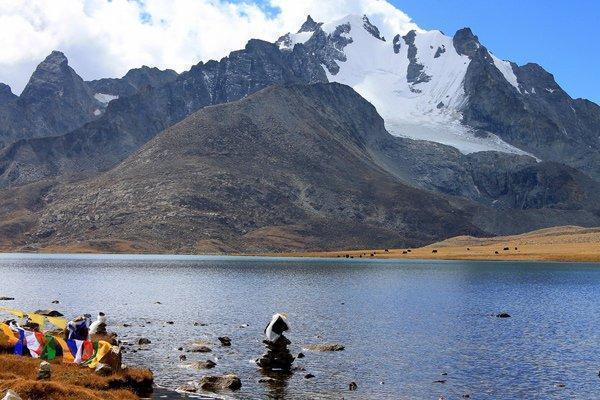
Tso Lhamo Lake Sikkim sits on the high Himalayan plateau and is one of India’s highest freshwater bodies, attracting expedition planners, landscape photographers, and travelers interested in remote alpine environments. This guide covers practical facts — elevation, access, permits, risks, and a checklist — so planning is realistic and safer.
- Location: North Sikkim near the border with Tibet; close to Gurudongmar and Chopta Valley.
- Elevation: approximately 5,300–5,330 m (17,400–17,500 ft) — extreme altitude requires acclimatization.
- Access: restricted area — inner line permits and organized transport from Lachen/Thangu are required.
- Best practices: follow the ALTITUDE-READY checklist, allow extra days for acclimatization, carry layered clothing and emergency oxygen if recommended by authorities.
Why Tso Lhamo Lake Sikkim matters
Tso Lhamo has geographic and cultural significance: it feeds tributaries of the Teesta River, sits in an ecologically fragile zone, and shares landscape character with nearby Gurudongmar Lake and the Chopta Valley. The lake’s remote setting makes it a unique destination for high-altitude fieldwork, landscape photography, and study of alpine hydrology and glacial systems.
Where it is and what to expect
The lake is in North Sikkim’s high plateau region, accessed from the Lachen/Thangu corridor. Expect sparse vegetation, strong sun, cold nights, and large diurnal temperature swings. Mobile coverage is limited and services are minimal; this is a wilderness visit rather than a comfort trip.
How to reach Tso Lhamo Lake (routes, permits, and timing)
Access to Tso Lhamo requires planning: roads are high, rough, and often closed by snow. Common route: Gangtok → Lachen → Thangu → Tso Lhamo area. Travel usually uses government-approved vehicles and guides because the area is near an international border and requires Inner Line Permits (ILP) and restricted-area clearances.
Permits and official requirements
Visitors must obtain permits through the Sikkim tourism office or authorized local operators. For authoritative guidance on permits and seasonal conditions, consult the Sikkim Tourism Department website: Sikkim Tourism (official site). Carry ID copies and allow lead time for approvals.
Best time to go
Window for safer access is usually late May to early October; outside this season roads and passes may be closed by snow. Weather in North Sikkim can change rapidly; plan conservatively.
Health, safety, and altitude considerations
At elevations above 5,000 m, acute mountain sickness (AMS) is a real risk. Travelers must prioritize acclimatization, hydration, and conservative ascent schedules. Medical evacuation options are limited; coordinate emergency plans with local authorities and guides before departure.
ALTITUDE-READY checklist (named framework)
- A — Acclimatize: schedule rest days at 2,500–3,500 m before high climbs.
- L — Layers: carry windproof, insulated outerwear and sun protection.
- T — Training: complete moderate cardio and hiking with elevation gain beforehand.
- I — Insurance & Info: confirm travel insurance covers high-altitude evacuation and keep permit copies.
- T — Tools: carry maps, GPS, headlamp, and a basic repair kit.
- U — Utilities: spare batteries and solar chargers for limited power availability.
- D — Drugs & Diagnostics: bring altitude meds (as advised by a clinician) and a simple pulse oximeter.
- E — Emergency plan: share itinerary with authorities and arrange local contact numbers.
- R — Respect: follow leave-no-trace and local regulations to protect fragile ecosystems.
- Y — Yield: turn back at symptoms of severe AMS or on unsafe weather.
Practical tips for visiting Tso Lhamo Lake
Practical tips help minimize risk and improve experience.
- Book permits and government-authorised transport at least 2–3 weeks ahead during peak season.
- Allow 2–3 extra acclimatization days at Lachen/Thangu; avoid rapid ascents from low altitude.
- Carry a compact pulse oximeter and know basic AMS symptoms: severe headache, nausea, dizziness, and breathlessness.
- Pack high-calorie, lightweight food and a reliable water purification method — water sources may be glacial and need treating.
Common mistakes and trade-offs
Common mistakes
- Underestimating altitude: arriving from lowland without staged acclimatization invites AMS.
- Ignoring official permit rules: attempting to reach restricted zones without approvals risks fines, denial of entry, or being escorted back by authorities.
- Packing for summer only: high-altitude nights remain cold even in summer months.
Trade-offs to plan around
Time vs. acclimatization: faster itineraries reduce time costs but raise medical risk. Comfort vs. authenticity: staying in Lachen gives comfort but reduces time at the lake; camping closer increases exposure and requires stricter waste and safety management. Choosing guided transport adds cost but simplifies permits and emergency response.
Short real-world example (scenario)
Scenario: A small group departs Gangtok, uses an acclimatization schedule of Gangtok → Lachen (2 nights) → Thangu (1 night) → day visit to the Tso Lhamo area. Permits were secured through the Sikkim Tourism office two weeks in advance. The group carried the ALTITUDE-READY checklist, monitored oxygen saturation, and turned back when one member developed persistent headache and low SpO2 readings. The decision to add an extra rest day at Thangu prevented escalation of AMS and allowed a safe visit the following day.
Core cluster questions
- What permits are required to visit high-altitude lakes in North Sikkim?
- How should travelers acclimatize before visiting a 5,000+m lake?
- What equipment is essential for short high-altitude trips in Sikkim?
- How do weather windows and road closures affect travel planning to remote Himalayan lakes?
- What are the environmental best practices for visiting alpine lakes in the Himalaya?
Local regulations and environmental responsibility
Respect protected-area rules and local communities. Carry out all non-biodegradable waste and avoid contaminating water sources. Officials from the Sikkim government and local park authorities enforce regulations to protect fragile ecosystems — follow guidance and limits on group sizes or camping locations.
Final checklist before departure
- Permits and photocopies of IDs
- Altitude-appropriate clothing and shelter
- Medical kit including altitude medication (if recommended) and pulse oximeter
- Emergency contact and evacuation plan with local operator
- Charged power banks and offline maps
Useful contacts and references
For official permitting and seasonal advisories, consult the Sikkim Tourism Department and local district authorities. Tourism bodies and standards organizations such as the Ministry of Tourism (Government of India) also publish guidance on responsible high-altitude travel.
Is Tso Lhamo Lake Sikkim the highest lake in India?
Tso Lhamo is among the highest known lakes in India at roughly 5,300–5,330 m. Definitions of "highest" can vary depending on how permanent water bodies are classified; nearby high-altitude lakes like Gurudongmar are also cited. Use official topographic data for precise ranking.
What permits are required to visit Tso Lhamo Lake Sikkim?
Permits include Inner Line Permits (ILP) and restricted-area clearances from Sikkim authorities. These are typically facilitated via the Sikkim Tourism office or registered local operators. Apply well in advance and carry original documents during travel.
How difficult is the journey to Tso Lhamo Lake?
The journey is logistically and physically demanding due to high altitude, rough roads, and limited services. Difficulty increases with minimal acclimatization and poor weather. Guided travel reduces bureaucratic and safety burdens.
What safety gear is essential for a visit?
Essential gear: layered cold-weather clothing, sturdy boots, sun protection, headlamp, first-aid kit, pulse oximeter, water purification, and reliable communication plan. Emergency oxygen may be carried as a precaution if advised by a medical professional.
How should visitors minimize environmental impact at Tso Lhamo Lake?
Follow leave-no-trace principles: pack out waste, avoid contaminating streams, stay on established routes, and respect local wildlife and grazing areas. Coordinate with local authorities about permitted camping locations and group size limits.