DIY vs Professional: Choosing the Right Balham Car Body Repair Option
-
- February 23rd, 2026
- 1,364 views
Deciding between DIY and professional work can significantly affect outcome, cost and vehicle safety when considering Balham car body repair. This guide compares common repair types, tools, time and potential risks so owners can make an informed choice for dents, scratches, rust and panel work in or near Balham.
DIY can be cost-effective for small cosmetic jobs (e.g., minor scratch touch-up or simple paintless dent repair) but requires time, the right tools and knowledge. Professional body repair typically offers better finish, warranty, access to OEM parts and safer handling of structural or ADAS-related work. Consider damage type, insurance, and the need for calibration or corrosion protection when choosing.
Balham car body repair: key differences between DIY and professional options
Scope of repairs
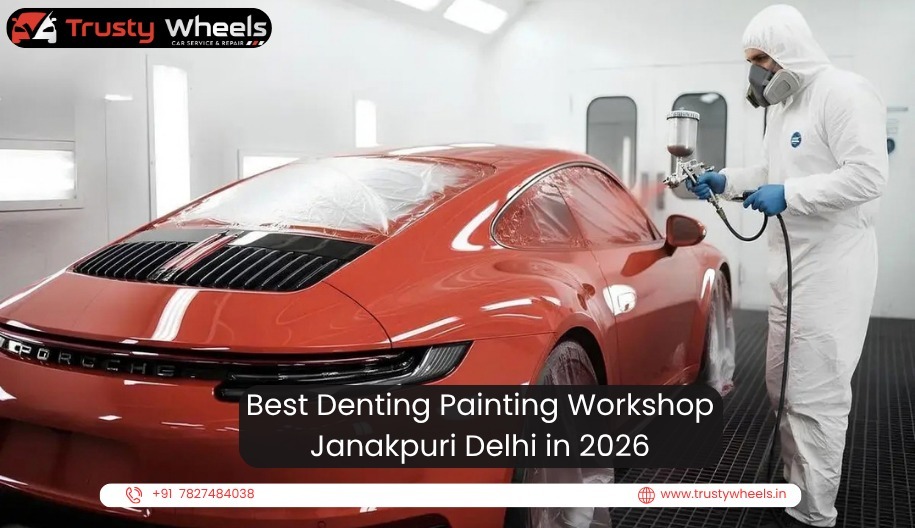
DIY suits minor cosmetic fixes: buffing clearcoat scratches, applying touch-up paint, small dent removal with paintless dent repair (PDR) tools, or replacing easily accessible trim. Professional bodyshops handle larger tasks such as panel beating, welding, rust removal, full resprays, structural straightening, and Advanced Driver Assistance Systems (ADAS) recalibration.
Tools, materials and skills
Simple DIY jobs require sandpaper, primer, matching paint, clearcoat, basic hand tools and a controlled workspace. More advanced procedures demand compressors, spray booths, welding equipment, frame alignment machines and certified technicians. Professionals also stock OEM or aftermarket panels and use corrosion protection processes not easily replicated at home.
Pros and cons: DIY body repair
Advantages
- Lower immediate cost for small jobs.
- Control over scheduling and minor custom touches.
- Learning opportunity for vehicle maintenance skills.
Disadvantages and risks
- Poor matching of paint or finish can reduce resale value.
- Improper welding or panel alignment may affect safety and handling.
- Damage to sensors or ADAS features can lead to costly errors.
- Insurance or warranty conditions may be voided by incorrect repairs.
Pros and cons: professional body repair
Advantages
- Access to trained technicians, correct equipment and quality control processes.
- Ability to work with insurers, provide guarantees and use OEM parts.
- Safe handling of structural repairs and calibration for cameras, radars and sensors.
- Often better corrosion protection and long-term finish.
Disadvantages
- Higher cost, especially for full resprays, welding or frame alignment.
- Longer wait times at busy shops.
Cost, time and insurance considerations
Estimating cost
Small DIY touch-ups can cost under £50 for materials. Professional repairs range widely: minor dent and paint can be under a few hundred pounds, while rust removal, welding or full panel replacement can run into the thousands. Insurance involvement often changes the decision: insurers may prefer approved bodyshops and have their own repair networks.
Time and convenience
DIY can be quicker for tiny jobs but may take longer overall due to inexperience. Professional shops can be faster for complex repairs because of specialized equipment and personnel, despite booking delays.
When professional repair is strongly recommended
Seek professional body repair for:
- Structural damage, bent frames or chassis alignment issues.
- Any welding or large-scale rust remediation.
- Damage near ADAS cameras, radar units or parking sensors requiring recalibration.
- Insurance claims where an approved repairer is required.
- Full resprays or color-matching across multiple panels.
When DIY may be reasonable
DIY is reasonable for:
- Small paint chips and superficial scratches after confirming paint codes and prepping properly.
- Minor dents where paint is intact and PDR tools are appropriate.
- Replacing easily accessible trim or badges using factory instructions.
Finding reputable professional repair near Balham
When choosing a bodyshop, check qualifications, examples of recent work and customer reviews. Confirm warranty terms, parts sourcing (OEM or aftermarket) and whether the shop can perform ADAS calibration if the car has advanced sensors. Consult local consumer protection guidance and trade associations for standards and disputes. For government guidance on vehicle standards and testing, see the Driver and Vehicle Standards Agency (DVSA) information at Driver and Vehicle Standards Agency (DVSA).
Practical checklist before starting repairs
- Identify the extent of damage and check for hidden structural or electrical issues.
- Check vehicle warranty and insurance terms; obtain written estimates from shops.
- Match paint codes and test materials on a hidden area for colour and finish.
- Consider long-term corrosion protection and factory-specified repair processes.
Conclusion
Balham car body repair decisions depend on damage severity, required safety standards and available skills. Small cosmetic repairs can be handled at home with care, but structural work, welding, rust removal and sensor recalibration are best left to qualified professionals to protect vehicle integrity and future value.
FAQ
What is the best approach to Balham car body repair for a small dent?
For small dents with no paint damage, paintless dent repair (PDR) by a trained technician often offers the best finish. DIY PDR kits exist but require skill to avoid warping the panel; consider a professional if unsure.
Will DIY paint repair affect resale value?
Poor colour matching or surface prep can reduce resale value. Professional colour matching and blending across adjacent panels usually produce a more indistinguishable finish and can better preserve value.
Do modern cars need professional calibration after body repairs?
Yes. Vehicles with ADAS features (lane assist, automatic braking, adaptive cruise) often require professional recalibration of cameras and sensors after body repairs or component replacement to ensure systems function correctly.
How to check a bodyshop's credentials?
Ask for warranties, examples of past work, insurance handling experience and whether the shop follows manufacturer repair procedures. Trade associations, customer reviews and written estimates are useful verification tools.