Doublo Gold Skin Tightening: How It Works, Results, Risks, and Recovery
-

- March 02nd, 2026
- 331 views

Get a free topical map and start building content authority today.
Detected intent: Informational
Doublo Gold skin tightening uses focused ultrasound to stimulate collagen and tighten sagging skin without surgery. This guide explains how the treatment works, typical HIFU face tightening results, recovery expectations for non-surgical procedures, and practical steps to choose a safe, effective provider.
- Doublo Gold is a high-intensity focused ultrasound (HIFU) device used for non-surgical skin tightening.
- Results develop gradually over 2–6 months as collagen remodels; maintenance may be needed after 12–24 months.
- Recovery is typically minimal, but redness, swelling, and temporary tenderness are common; serious complications are rare with an experienced clinician.
- Use the SKIN assessment checklist to decide candidacy and choose an experienced provider.
Doublo Gold skin tightening: How it works and who it helps
Doublo Gold skin tightening is a branded application of micro-focused ultrasound energy aimed at targeted tissue planes beneath the skin. The device delivers pulses of focused ultrasound (commonly grouped under HIFU, or high-intensity focused ultrasound) to reach the superficial musculoaponeurotic system (SMAS) and deeper dermal layers. The controlled thermal injury creates a wound-healing response that stimulates new collagen and gradual tissue contraction, producing a firmer, lifted appearance without incisions.
Mechanism and expected timeline
Energy is deposited at precise depths to encourage collagen remodeling. Immediate tightening is sometimes noticeable due to tissue coagulation, but full HIFU face tightening results typically appear over 2–6 months as new collagen forms. Many patients see peak improvement between 3 and 6 months; results wane gradually and maintenance sessions may be recommended at 12–24 months.
Who is a good candidate?
Ideal candidates have mild-to-moderate skin laxity and realistic expectations. People with severe sagging or excess fat may be better served by surgical options. Contraindications commonly include active infections, open wounds, certain implanted electronic devices, or recent facial procedures; a qualified clinician will screen for these issues.
SKIN assessment checklist (decision framework)
Use this quick, named framework to evaluate candidacy and choose a treatment plan.
- S — Safety & Skin Health: Check for active acne, open wounds, skin thinning, or implanted devices that could contraindicate HIFU.
- K — Key Goals: Define specific goals (jawline lift, brow lift, neck tightening) to match treatment depth and coverage.
- I — Individual Factors: Age, skin thickness, prior procedures, medical history, and pain tolerance influence protocol and settings.
- N — Number & Timing of Sessions: Plan initial session and a maintenance schedule; some patients need 1 session and others 2–3 spaced months apart.
What to expect: Results, recovery, and safety
Expected HIFU face tightening results
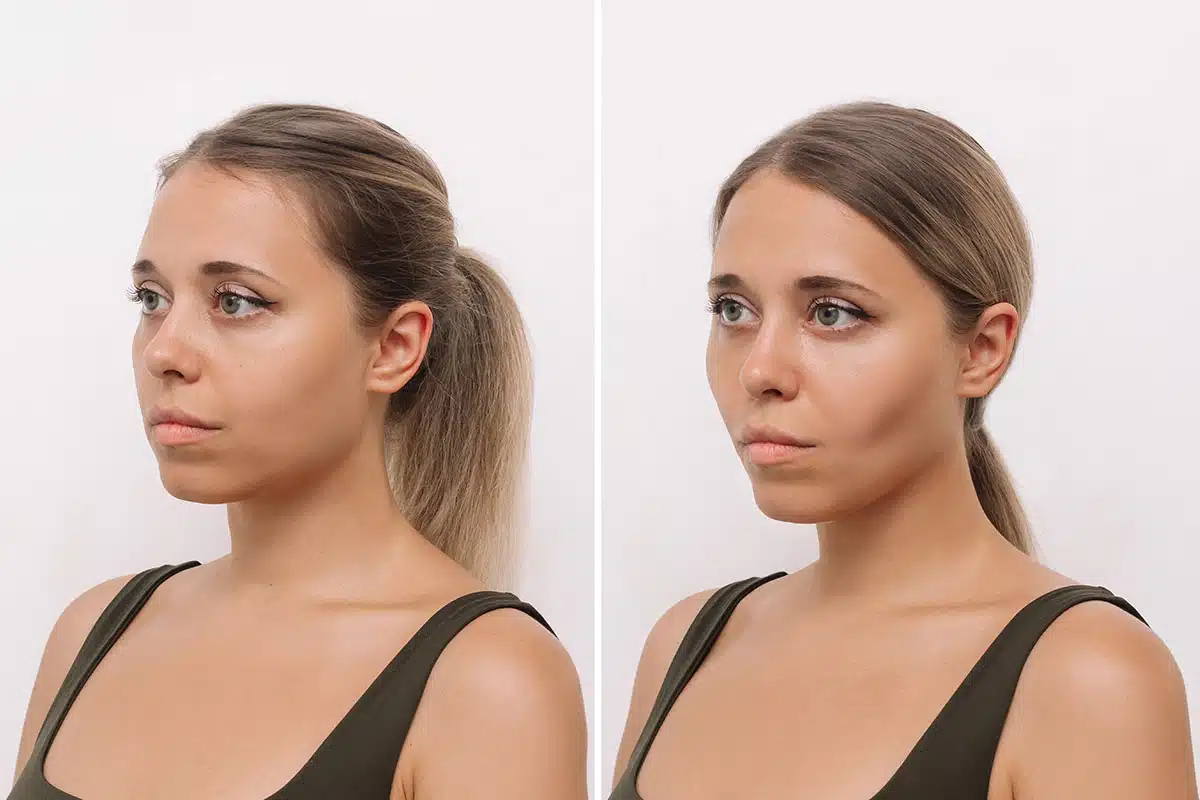
Modest to moderate lifting and improved skin texture are common. Results are subtle and natural-looking rather than dramatic. Individual outcomes vary by skin quality and treatment parameters. Clinical literature on HIFU devices shows incremental improvements in skin laxity and elasticity metrics at follow-up intervals; consistency of results depends on operator technique and energy settings.
non-surgical skin tightening recovery
Downtime is usually minimal. Typical short-term effects include redness, mild swelling, tenderness, and temporary numbness. These resolve in hours to a few days. Strict post-procedure rest is rarely needed, but avoidance of vigorous exercise, heavy sun exposure, and certain topical irritants for a few days reduces risk of prolonged irritation.
For clinically vetted safety information about cosmetic skin procedures, consult resources from recognized dermatology organizations such as the American Academy of Dermatology: aad.org: skin tightening.
Practical tips before, during, and after treatment
- Confirm practitioner credentials and experience with HIFU devices—ask about before-and-after photos from actual patients with similar concerns.
- Request a treatment map and clear description of depths/energy levels to be used; customization matters more than device brand alone.
- Plan for a gradual outcome: expect improvement over months, not an immediate surgical-like lift.
- Follow pre- and post-care instructions: avoid blood-thinning medications only if advised by a clinician; apply gentle skin care and sunscreen after the procedure.
Common mistakes and trade-offs
Choosing a provider based on price alone can increase risk of under-treatment or thermal injury. Expect trade-offs between invasiveness and durability: non-surgical devices offer lower risk and quicker recovery but typically require repeat sessions and produce less dramatic lifts than surgery. Overly aggressive treatment in thin skin raises the chance of contour irregularities and prolonged numbness.
Real-world example
Scenario: a 52-year-old patient has early jowling and mild neck laxity with good skin quality. After counseling and SKIN checklist screening, one session of micro-focused ultrasound targeting the lower face and upper neck was performed. Mild redness was noted for 24 hours. A subtle tightening appeared at 4–6 weeks, with fuller improvement at 3 months. Maintenance was planned at 12 months to preserve results. This typical timeline illustrates the gradual collagen-driven effect rather than an immediate surgical change.
Core cluster questions
- How long do Doublo Gold results typically last?
- Who qualifies as a candidate for HIFU-based skin tightening?
- What are the common side effects after non-surgical skin tightening?
- How many sessions are usually needed for visible improvement?
- How does HIFU compare with surgical lifting in durability and downtime?
FAQ
How long do Doublo Gold skin tightening results last?
Results are durable for many patients between 12 and 24 months, but individual longevity depends on age, lifestyle, baseline skin condition, and maintenance sessions. Collagen remodeling is ongoing, so a maintenance plan is often recommended to sustain improvements.
Does the Doublo Gold procedure hurt?
Sensation during treatment varies. Many patients report brief prickling or warmth; topical anesthetics or oral analgesics can be used in some protocols. Communication with the clinician about comfort levels allows energy adjustments during the session.
What are the main risks and side effects?
Common short-term effects include redness, swelling, and tenderness. Rare but more significant risks can include prolonged numbness, skin contour changes, or burns if performed improperly. Choosing an experienced provider minimizes these risks.
How soon are results noticeable?
Some immediate tightening may be visible, but substantive collagen-driven change typically appears over 2–6 months. Improvements continue as tissue remodeling occurs.
How many treatments are needed to see improvement?
Many patients achieve noticeable improvement with a single focused session, but some require 1–2 additional sessions spaced several months apart depending on the degree of laxity and treatment goals.