The Evolution of Dubai as a Global Lifestyle Destination
-

- March 25th, 2026
- 7,680 views

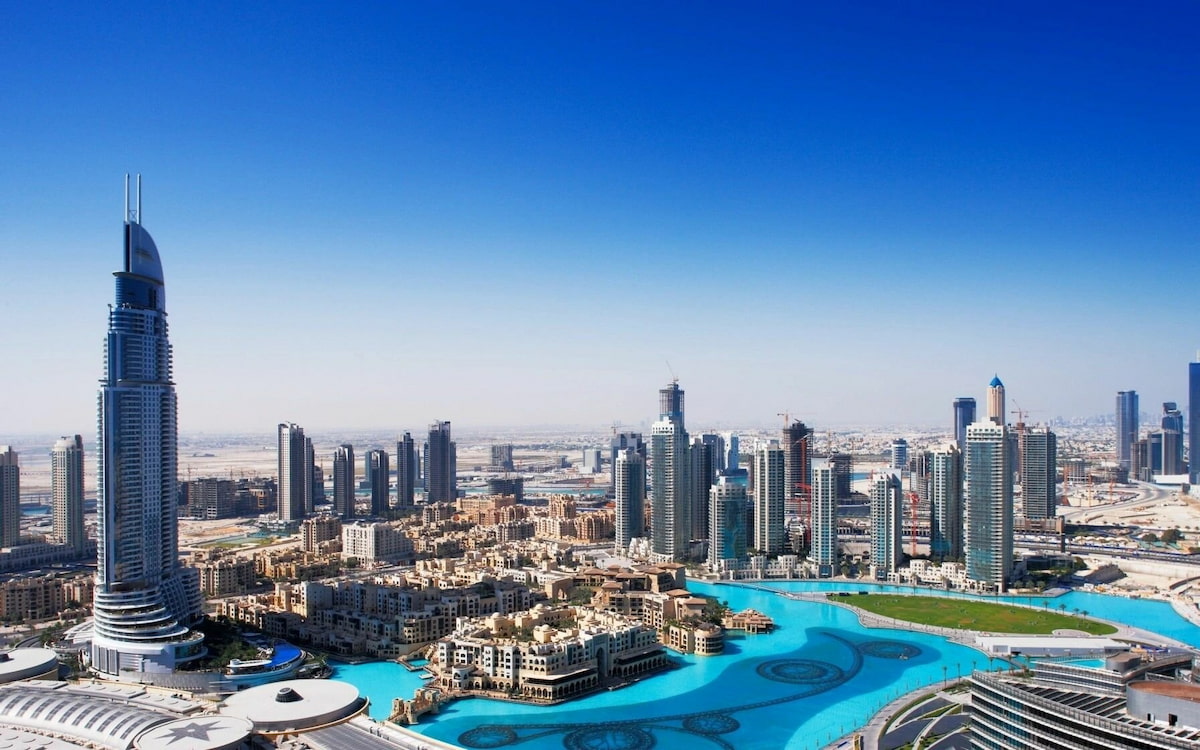
Over the past few decades, Dubai has transformed itself from a modest trading port into one of the world’s most dynamic lifestyle destinations. What was once a quiet coastal city built around pearl diving and regional trade has become a global hub where culture, business, tourism, and luxury living intersect.
Today, Dubai attracts millions of visitors each year, not just for its iconic skyline or luxury shopping, but for the diverse lifestyle experiences it offers.The city’s growth has been carefully shaped by long-term vision, infrastructure investment, and a commitment to blending modern innovation with cultural heritage.
From world-class entertainment districts to thriving food scenes and community-focused neighborhoods, Dubai has evolved into a place where people from every corner of the world can find something that resonates with their interests and lifestyle.
How Dubai Built Its Global Lifestyle Identity
Dubai’s journey toward becoming a lifestyle capital did not happen overnight. The city’s leadership invested heavily in infrastructure, tourism development, and international partnerships to create a global destination capable of competing with cities like London, New York, and Singapore.
One of the most important drivers of this transformation has been tourism. Large-scale projects such as Palm Jumeirah, Downtown Dubai, and Dubai Marina introduced entirely new concepts of urban living in the Middle East. These developments created spaces where luxury residences, entertainment venues, and retail centers coexist in carefully designed environments.
Another factor behind Dubai’s lifestyle appeal is its multicultural population. More than 200 nationalities live and work in the city, creating a vibrant cultural landscape where international cuisines, festivals, and traditions come together. This diversity has helped Dubai cultivate a lifestyle that feels both global and uniquely local.
The Rise of Lifestyle Media and Digital Storytelling
As Dubai’s lifestyle scene expanded, digital platforms began playing a major role in documenting and sharing the city’s evolving identity. Online publications and city-focused media outlets have helped residents and travelers discover hidden experiences, community events, and emerging trends across the emirate.
For instance, lifestyle platforms such as Khaleej Dunes have become useful resources for readers interested in exploring the cultural and entertainment side of the city. Through features on local events, trending locations, and unique experiences, such platforms highlight aspects of Dubai that go beyond traditional tourist attractions.
Similarly, regional publications like Uae Edge regularly cover stories that capture the rhythm of everyday life in the UAE. By reporting on community initiatives, cultural developments, and lifestyle trends, these outlets help paint a fuller picture of how Dubai continues to evolve as a modern urban destination.
The rise of these digital voices reflects a broader shift in how people experience cities today. Instead of relying solely on travel guides, audiences now engage with stories, local insights, and community perspectives that reveal the human side of a destination.
Experiences That Define Modern Dubai
Dubai’s lifestyle appeal is rooted in the variety of experiences available throughout the city. Visitors can move from traditional markets to futuristic architecture within a matter of minutes, creating a unique contrast between old and new.
Culinary Diversity
One of the clearest reflections of Dubai’s multicultural identity is its food scene. From Michelin-recognized restaurants to small neighborhood eateries, the city offers cuisines from every region of the world. Food festivals, chef collaborations, and pop-up dining experiences have further elevated Dubai’s reputation as a culinary destination.
Entertainment and Leisure
Dubai’s entertainment landscape continues to expand with world-class concerts, art exhibitions, and sporting events. Areas such as City Walk, Bluewaters Island, and Alserkal Avenue showcase how the city blends retail, art, and social experiences in innovative ways.
Meanwhile, outdoor activities ranging from desert safaris to yacht cruises along the Arabian Gulf allow residents and visitors to explore the natural beauty surrounding the city.
Cultural Preservation
Despite its rapid modernization, Dubai has remained committed to preserving its heritage. Historic districts like Al Fahidi offer glimpses into the city’s past through restored wind-tower houses, museums, and cultural centers.
Traditional markets such as the Gold Souk and Spice Souk continue to operate alongside modern shopping malls, reminding visitors that Dubai’s identity is rooted in centuries of trade and cultural exchange.
A City Designed for Global Living
Another reason Dubai has become a lifestyle destination is its ability to attract people who want to live, work, and build careers in an international environment. The city’s business-friendly policies, tax advantages, and strategic location between Europe, Asia, and Africa have drawn entrepreneurs, professionals, and investors from around the world.
This international community has contributed to the creation of neighborhoods designed for different lifestyles. Some areas focus on luxury waterfront living, while others emphasize family-friendly environments or creative spaces for artists and entrepreneurs.
Digital publications such as Khaleej Dunes often highlight how these communities continue to grow and adapt as new residents bring fresh perspectives and ideas into the city.
Looking Toward the Future
Dubai’s transformation is far from complete. The city continues to invest in technology, sustainability, and cultural development to ensure that its growth remains forward-looking and inclusive. Smart city initiatives, renewable energy projects, and expanded public transportation networks are all part of Dubai’s long-term vision.
At the same time, creative industries, tourism innovation, and lifestyle entrepreneurship are expected to play an even greater role in shaping the city’s future. As new experiences emerge, Dubai will likely continue attracting people who want to explore, create, and connect in a global urban environment.
Conclusion
Dubai’s rise as a global lifestyle destination is the result of strategic planning, cultural openness, and a willingness to embrace innovation. What began as a regional trading center has grown into a city that offers a rich blend of modern living, international culture, and authentic heritage.
From its diverse culinary scene and entertainment districts to its historic neighborhoods and thriving media platforms, Dubai represents a unique model of how cities can evolve while maintaining a strong sense of identity.
As the city moves forward, its ability to balance tradition with modern ambition will remain one of its defining strengths. For residents and visitors alike, Dubai continues to offer more than just impressive architecture or luxury experiences. It offers a constantly evolving lifestyle shaped by people, culture, and the spirit of possibility.