Reliable Infrastructure Solutions for Dubai’s Expanding Road Network
-

- September 23rd, 2026
- 74 views
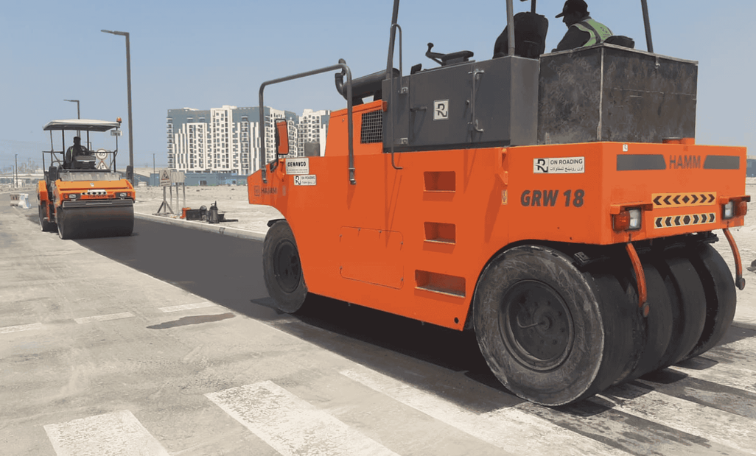
Dubai's continued development requires infrastructure that can support increasing traffic, new developments, and changing transportation needs. Road projects need careful coordination from initial planning through construction, surface finishing, and maintenance. Engaging Rta Approved Road Contractors In Dubai can help project owners approach road infrastructure work with appropriate planning, technical expertise, and attention to project requirements.
Assessing Road Requirements
Every road project has different characteristics. A road serving a residential community may have different requirements from one serving an industrial facility or commercial development.
Before construction begins, project teams can evaluate:
Expected traffic levels
Road dimensions
Vehicle types
Ground conditions
Drainage requirements
Existing utilities
Access requirements
Future development
This assessment helps establish the scope of the project.
Conducting Site Surveys
A detailed site survey can reveal conditions that may affect construction. Existing roads, underground utilities, drainage networks, buildings, and other infrastructure should be identified before major work begins.
Understanding the site in advance allows project teams to plan construction activities more effectively and reduce unexpected complications.
Preparing the Ground
Road durability depends heavily on the quality of the underlying foundation. Depending on site conditions, preparation may involve excavation, grading, soil improvement, and compaction.
The prepared ground needs to provide appropriate support for the road layers above it.
Insufficient preparation can contribute to settlement and surface deterioration later.
Designing Effective Drainage
Water management should be considered during road planning. Water that remains on or beneath a road can contribute to pavement deterioration.
Appropriate drainage systems can help direct water away from the road and surrounding structure.
Drainage design should take into account the site's conditions, road layout, and expected water flow.
Selecting Suitable Materials
Road materials should match the requirements of the project. Factors such as traffic volume, vehicle loads, environmental conditions, and expected service life can influence material selection.
Suitable aggregates, base materials, asphalt mixtures, and supporting materials can contribute to better pavement performance.
Constructing the Road Surface
After foundation and base preparation, the asphalt surface can be constructed according to the project specifications.
Proper placement and compaction are important for achieving a stable and consistent surface.
The completed pavement should be inspected for alignment, levels, surface quality, and other relevant requirements.
Maintaining Quality Throughout Construction
Quality control should continue through every stage of the project.
Construction teams can monitor:
Material quality
Layer thickness
Compaction
Surface levels
Alignment
Drainage
Workmanship
Regular inspections can help identify problems before they become more difficult to correct.
Integrating Road Markings
Road markings provide important guidance to road users. Depending on the project, they may include lane lines, directional arrows, pedestrian crossings, stop lines, and parking markings.
Markings should be planned as part of the wider road infrastructure rather than treated as an afterthought.
Proper coordination can also ensure that marking work is completed after the relevant surface activities.
Coordinating Underground Utilities
Road construction frequently takes place near underground infrastructure. Water lines, pipelines, drainage systems, electrical cables, and telecommunications networks may all need to be considered.
Where underground work is required, it should ideally be completed before final road surfacing.
This can reduce the need to excavate newly completed pavement.
Managing Construction Safety
Road construction involves workers, vehicles, equipment, and changing traffic conditions. Safety planning should therefore be integrated into the project from the beginning.
Work zones, vehicle movement, pedestrian access, equipment operation, and surrounding traffic should all be considered.
Clear procedures can help create a more controlled construction environment.
Managing Project Schedules
Road construction includes multiple stages that need to follow an appropriate sequence.
A typical project may involve:
Site assessment
Ground preparation
Drainage work
Foundation construction
Base preparation
Asphalt installation
Marking
Final inspection
Effective scheduling can help reduce delays and unnecessary rework.
Maintaining Existing Roads
Road infrastructure requires attention even after construction has been completed.
Regular inspections can identify cracks, potholes, surface wear, drainage problems, and other defects.
Timely maintenance can help prevent minor problems from developing into larger repairs.
Planning for Heavy-Traffic Areas
Industrial facilities, logistics areas, commercial entrances, and other high-traffic locations may experience greater pavement stress.
Maintenance and construction plans should consider the types of vehicles using the road and the expected frequency of use.
This can help determine appropriate construction and maintenance requirements.
Considering Future Development
Road infrastructure should account for potential changes in surrounding areas.
New residential projects, commercial developments, and industrial facilities can increase traffic and change access requirements.
Considering future demand during the planning stage can help create infrastructure that remains useful as the area develops.
Working With Experienced Contractors
Road construction involves engineering, materials, equipment, workforce coordination, safety management, and quality control.
When selecting a contractor, project owners can evaluate relevant experience, technical capabilities, available equipment, workforce, safety procedures, and project management practices.
The right project support can help coordinate the different stages more efficiently.
Conclusion
Successful road infrastructure depends on careful site assessment, foundation preparation, suitable materials, effective drainage, quality control, safety planning, and ongoing maintenance. Coordinating road construction with underground utilities and surface marking activities can further improve project efficiency.
For projects where road surfaces require ongoing attention after construction, Asphalt Maintenance Companies In Dubai can support repair, resurfacing, and general pavement maintenance requirements. Combining professional construction with planned maintenance can help businesses and developers maintain reliable infrastructure over the long term.