Easytronic Explained: How GM’s Semi-Automatic Transmission Works, Pros, Cons, and Maintenance
-
- Published Updated
- 1,941 views
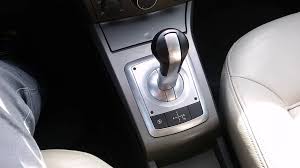
The Easytronic system is General Motors' branded semi-automatic transmission technology used in several Opel/Vauxhall models. This article explains what Easytronic is, how an automated manual transmission operates, typical advantages and drawbacks, common faults, and how it compares with conventional automatic and dual-clutch gearboxes.
- Easytronic is an automated manual transmission that uses an electromechanical actuator to operate a conventional clutch and manual gearbox.
- It offers weight and cost advantages over torque-converter automatics but can show less smooth low-speed behavior.
- Common service items include clutch wear, actuator faults, and software updates from the vehicle manufacturer.
Easytronic: What it is and how it differs from other transmissions
Easytronic is a form of automated manual transmission (AMT) developed by General Motors for certain compact cars. Unlike a traditional automatic transmission that uses a torque converter and planetary gearset, Easytronic retains a conventional manual gearbox and clutch but automates clutch engagement and gear selection through electronic control and electromechanical or electrohydraulic actuators. The result is a transmission that can operate in fully automatic mode or allow manual gear selection without a clutch pedal.
Design and main components
Typical Easytronic components include:
- Manual gearbox (gearwheel sets and selector forks)
- Clutch assembly (friction disc, pressure plate)
- Electromechanical or hydraulic clutch actuator
- Gearshift actuator to operate selector forks
- Transmission control module (TCM) or integrated control within the engine control unit
- Position sensors and pedal/selector inputs
How the system operates
In automatic mode the transmission control module monitors vehicle speed, engine speed (RPM), throttle position and other inputs to decide shift points. When a shift is required the TCM commands the clutch actuator to disengage, the gearshift actuator to move to the next gear, and then the clutch to re-engage. In manual selection mode the driver selects gears via a lever or paddles; the system still operates the clutch automatically. The absence of a torque converter means driveline connection is more direct, but shifts can be noticeable as the clutch must be disengaged and re-engaged for each gear change.
Advantages and disadvantages of Easytronic
Advantages
- Fuel efficiency: Lower parasitic losses compared to torque-converter automatics can improve fuel economy in some driving conditions.
- Cost and weight: The architecture is generally lighter and less complex than conventional automatics, reducing cost and vehicle mass.
- Driver control: Offers manual shift capability without a clutch pedal, appealing to drivers who want engagement.
Disadvantages
- Shift smoothness: Shifts, especially at low speeds or in stop-and-go traffic, can feel jerky compared with torque-converter automatics or well-tuned dual-clutch transmissions.
- Clutch wear: Because the system uses a friction clutch similar to a manual transmission, the clutch can wear and require replacement.
- Driver perception: Some drivers find the behavior less refined, particularly during city driving or parking maneuvers.
Common issues, diagnostics, and maintenance considerations
Signs of problems
Typical symptoms that may indicate transmission or actuator issues include:
- Jerky or delayed gear changes
- Transmission or engine warning lights
- Unusual clutch slippage under load
- Failure to engage drive or inability to select gears
Routine checks and service
Routine items for an automated manual system usually include checking software updates and calibrations from the manufacturer, monitoring clutch wear, and inspecting actuator electrical connections and mounting. Service intervals and specific fluid types are outlined in the vehicle's service manual. National regulators and safety agencies such as the U.S. National Highway Traffic Safety Administration (NHTSA) publish recall and safety notices that can be checked for model-specific bulletins.
How Easytronic compares with dual-clutch and torque-converter automatics
Easytronic (AMT) differs from a dual-clutch transmission (DCT) in that DCTs use two clutches to pre-select the next gear, allowing very fast, smooth shifts especially in performance applications. Torque-converter automatics use a hydraulic torque converter for smooth engagement and planetary gearsets for gear changes. AMTs like Easytronic can be less costly and lighter but generally do not match the shift smoothness of DCTs or modern torque-converter automatics.
Regulatory and safety context
Vehicle transmissions are subject to vehicle safety and emissions regulations in different jurisdictions. Organizations such as SAE International develop technical standards and terminology used by engineers and regulators. For consumers seeking authoritative technical background on transmission types, SAE provides standards and papers explaining drivetrain technologies and terminology.
Further technical reading: SAE International.
When to consult a specialist
If a vehicle exhibits persistent transmission warning lights, repeated clutch slips, or inability to select gears, diagnosis by a qualified automotive technician is recommended. Service centers equipped with manufacturer-level diagnostic tools can read transmission control module fault codes and perform actuator calibration procedures documented in official service bulletins.
FAQ
What is Easytronic and how does it work?
Easytronic is General Motors' automated manual transmission system. It automates the clutch and gear selection on a manual gearbox using electronic control and actuators, allowing either automatic or manual gear selection without a clutch pedal.
How long do Easytronic clutches typically last?
Clutch life varies with driving style, traffic conditions, and vehicle load. Clutch wear for an automated manual system can be comparable to a conventional manual transmission; heavy city driving or frequent low-speed maneuvers may reduce service life. Manufacturer service schedules and inspections can give model-specific guidance.
Are Easytronic transmissions reliable?
Reliability depends on design generation, maintenance, and driving conditions. Common issues reported for AMTs include actuator failures and clutch wear. Regular software updates and inspection per the manufacturer's service schedule can help maintain performance.
Can Easytronic be serviced like a manual transmission?
Many mechanical components (clutch, gearbox internals) are similar to manual transmissions, but Easytronic also includes electronic actuators and a control module that require diagnostic tools for calibration and fault finding. Authorized repair shops or technicians with the correct diagnostic equipment are typically required for full servicing.