E-commerce Advertisement Strategies: PPC Platforms, Campaign Types, and Optimization
-

- February 23rd, 2026
- 1,641 views
E-commerce Advertisement is a set of paid online marketing activities used by retailers to promote products, drive traffic, and generate sales. Common methods include pay-per-click (PPC) search ads, shopping campaigns, display and social ads, and dynamic remarketing. Choosing the right e-commerce advertising platforms and campaign types helps improve visibility in search results and across social feeds, and supports measurable business goals such as increasing conversion rate and return on ad spend (ROAS).
- Identify platforms (search, shopping, social, marketplaces) and match campaign types to objectives.
- Use precise targeting, strong creative, optimized landing pages, and conversion tracking for measurement.
- Optimize bids, budgets, and feeds; test creatives and refine audiences for better ROAS and lower CPA.
E-commerce Advertisement Platforms and PPC Channels
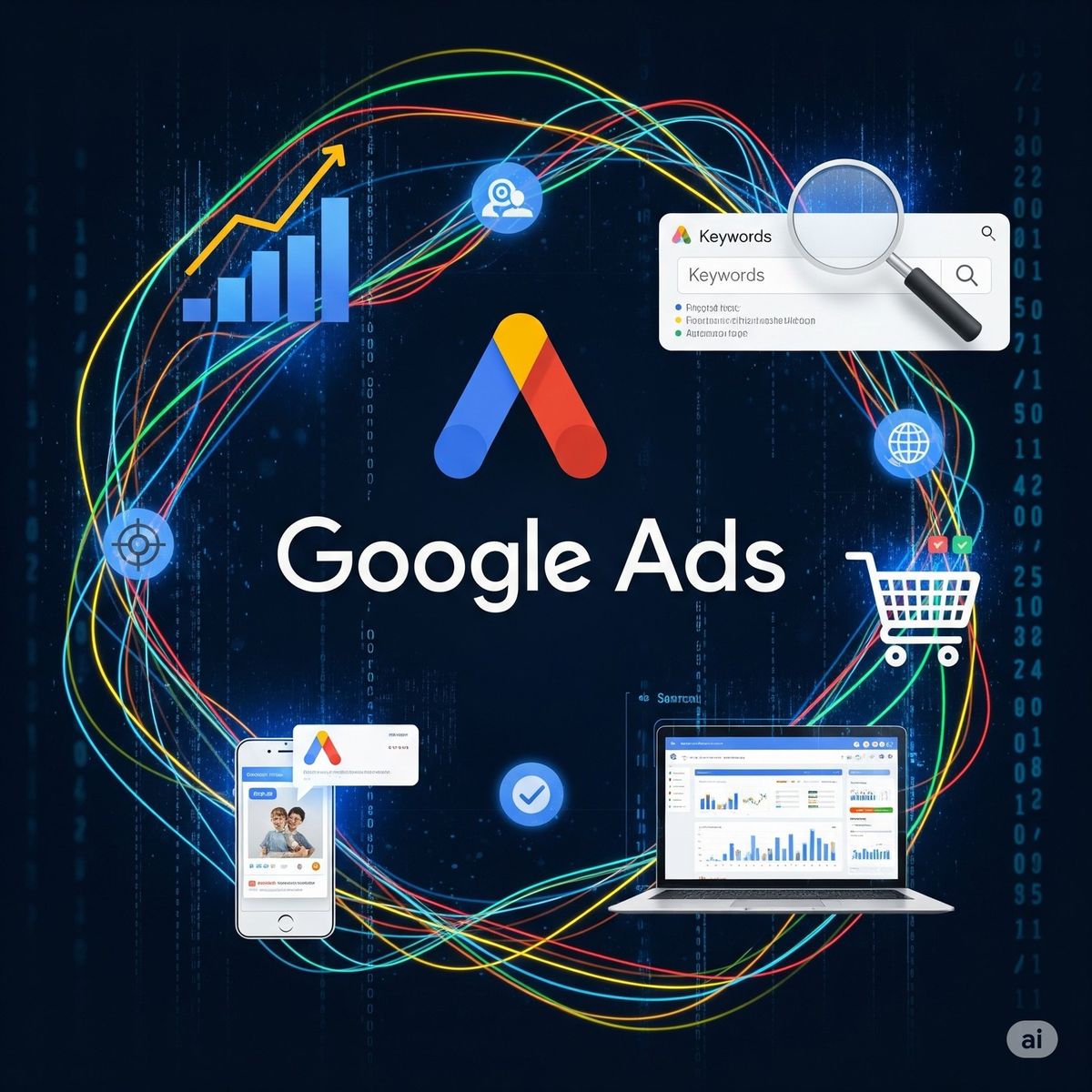
Selecting platforms is a core decision for effective e-commerce advertisement. Search engines and shopping ad networks (for example Google Ads and Google Merchant Center), social media ad platforms, and large marketplaces provide primary channels for paid acquisition. Pay-per-click (PPC) search ads reach users with high purchase intent, shopping ads display product images and pricing directly in search results, and social platforms support discovery and retargeting through visual formats and audience segments.
Campaign Types and When to Use Them
Common campaign types include:
- Search (PPC) campaigns: Target keywords that match purchase intent; useful for capturing demand.
- Shopping/product feed campaigns: Showcase product images and prices; typically drive direct conversions from search results.
- Display and programmatic ads: Build awareness and remarket to site visitors across the web.
- Social ads: Use demographic and interest targeting for discovery and dynamic retargeting on feeds and stories.
- Marketplace promotions: Sponsored product listings on marketplaces increase visibility within platform search results.
Setting Campaign Objectives and KPIs
Define clear objectives—brand awareness, traffic, lead generation, or sales—then map KPIs such as click-through rate (CTR), cost per acquisition (CPA), conversion rate, and ROAS. Attribution models determine how credit is assigned across touchpoints; consider first-click, last-click, or data-driven models based on business needs and analytics capabilities. Implementing conversion tracking and server- or tag-based measurement is essential for accurate reporting.
Targeting, Audiences, and Segmentation
Audience targeting often combines intent signals (search queries), behavioral data (site visitors, cart abandoners), and demographic information. Common tactics include remarketing lists for search ads (RLSA), lookalike or similar audiences, and in-market segments. Segmentation by product category, cart value, or lifecycle stage enables tailored creative and bidding strategies that improve efficiency and ad relevance.
Creative, Landing Pages, and Feed Optimization
Ad creative should emphasize product benefits, clear value propositions, and strong calls to action. For shopping campaigns and dynamic ads, product feed quality matters: accurate titles, descriptions, images, and structured attributes improve match rates and reduce disapprovals. Landing pages must be mobile-optimized, fast-loading, and aligned with ad messaging to reduce friction and improve conversion rate. A/B testing headlines, images, and layouts supports continuous improvement.
Measurement, Attribution, and Optimization
Implement robust measurement: tag events (add-to-cart, purchases), configure conversion windows, and use analytics platforms to monitor funnel performance. Optimize bids using manual, automated, or portfolio bidding strategies that reflect ROAS and CPA targets. Use search term reports and negative keyword lists to reduce wasted spend. Test creative variations and audience combinations, then scale winners while controlling budget and frequency.
Budgeting and Bid Strategies
Budget allocation should reflect channel performance and lifecycle stages—allocate more to high-ROAS campaign types while investing in discovery channels for long-term growth. Bid strategies range from manual CPC to automated bidding (target ROAS, target CPA). Consider seasonality and inventory availability when adjusting budgets and bids to avoid overspending on low-margin items.
Compliance, Privacy, and Policy Considerations
Ad platforms and regulators set rules on data collection, disclosures, and prohibited content. Ensure privacy compliance with cookie consent and data processing practices. Advertising transparency and truthful claims are enforced by authorities such as the Federal Trade Commission and industry organizations; review platform policies and legal guidelines regularly to avoid account issues. For official guidance on advertising practices and marketer responsibilities, consult resources from the Federal Trade Commission: FTC Advertising and Marketing Guidance.
Technology Integrations and Tools
Integration with analytics platforms, tag managers, customer data platforms (CDPs), and product feed management tools improves signal quality and campaign automation. Server-side tracking and conversion APIs can supplement browser-based measurement where cookie constraints affect attribution. Feed management tools help normalize product data for shopping campaigns and marketplaces.
Continuous Testing and Growth
Establish a testing cadence for creatives, bidding strategies, audience targeting, and landing pages. Use experiments where available to validate changes without disrupting performance. Periodic audits of account structure, feed health, conversion tracking, and negative keyword lists keep campaigns efficient and scalable.
Frequently Asked Questions
What is E-commerce Advertisement and how does PPC fit in?
E-commerce advertisement refers to paid tactics used to promote online products and stores. PPC (pay-per-click) is a core method within e-commerce advertising where advertisers pay for clicks on search or display ads; it captures demand, drives targeted traffic, and can be optimized for conversion-based metrics like CPA and ROAS.
Which ad platform should online retailers prioritize?
Platform choice depends on product type, audience, and budget. Search and shopping campaigns typically yield direct sales intent, social platforms assist discovery and retargeting, and marketplaces are critical for sellers relying on built-in platform search. Testing across channels and measuring ROAS provides a data-driven prioritization.
How should campaign performance be measured?
Measure using conversion tracking, revenue, CPA, ROAS, and lifecycle metrics. Align attribution models with business goals and use analytics platforms to monitor user behavior from ad click to purchase.
How often should product feeds and creative be updated?
Feeds should be updated whenever inventory, pricing, or product details change—ideally via automated syncs. Creative should be refreshed regularly (seasonally or when performance drops) and tested frequently to avoid ad fatigue.
What are common errors that waste e-commerce ad spend?
Common issues include poor tracking, unstructured account architecture, inadequate negative keyword management, low-quality product feeds, and landing pages that do not match ad intent.