Effective Online Ecommerce Advertising Strategies to Boost Sales and ROI
-

- February 23rd, 2026
- 1,512 views
Online ecommerce advertising is a core method for attracting customers, increasing conversions, and scaling revenue for online retailers. This article explains practical strategies, ad formats, measurement approaches, and compliance considerations that support sustainable growth.
- Define clear goals (traffic, conversions, ROAS) before launching campaigns.
- Use a mix of channels and ad formats to reach intent and awareness stages.
- Track performance with analytics and optimize with A/B tests and retargeting.
- Follow advertising rules and transparent disclosure to build trust.
Why online ecommerce advertising matters
Well-planned online ecommerce advertising helps reach shoppers at different points in the buying journey, from discovery to purchase. Combining search-based ads, display and social placements, product feed ads, and retargeting increases visibility and supports measurable outcomes such as conversion rate, average order value, and return on ad spend (ROAS).
Set clear objectives and measure success
Define campaign goals
Choose one or more specific objectives: drive qualified traffic, increase online sales, boost repeat purchases, or lift lifetime value. Objectives determine which channels and metrics are most important, for example cost per acquisition (CPA) for direct-response campaigns or impressions and reach for brand awareness efforts.
Establish tracking and attribution
Implement site analytics and conversion tracking to measure outcomes. Use event tracking for add-to-cart, checkout steps, and form submissions. Adopt a consistent attribution model to evaluate which touchpoints contribute to sales and adjust bids and budgets accordingly.
Channels and ad formats that work for ecommerce
Search and intent-driven ads
Search ads capture high commercial intent when shoppers actively seek products. Use clear product descriptions in ad copy and ensure landing pages match search queries to reduce bounce rates and improve conversion rates.
Shopping feed and catalog ads
Product feed ads display images, price, and merchant information directly in search or marketplace environments. Keeping feed data up to date improves relevance and can increase click-through and conversion rates.
Display, video, and social ads
Use display and video for awareness and to drive consideration. Social ads allow precise audience targeting based on demographics, interests, and prior engagement. Creative that showcases product benefits and social proof tends to perform well.
Retargeting and email re-engagement
Retargeting ads remind visitors who did not convert to return and complete a purchase. Dynamic retargeting that shows recently viewed products or cart items can lift conversion rates. Complement retargeting with segmented email flows to recover abandoned carts and promote repeat purchases.
Budgeting, bidding, and optimization tactics
Allocate budget by funnel stage
Assign budget according to goals: higher investment in acquisition channels for growth campaigns and more conservative spending for upper-funnel awareness. Monitor CPA and ROAS to reallocate budget to top-performing audiences and creative.
Test and iterate
Run A/B tests on headlines, images, calls to action, and landing pages. Small copy or design changes can materially affect click-through and conversion rates. Use statistically significant test sizes and a calendar for rotating creative.
Focus on lifetime value and retention
Evaluate customer acquisition cost against estimated lifetime value (LTV). Investing in post-purchase experience, subscription offers, and loyalty incentives can raise LTV and justify higher acquisition spend.
Compliance, transparency, and trust signals
Follow advertising rules and disclosures
Ensure advertising follows regional regulations and industry guidance on claims, pricing, endorsements, and data handling. Official resources such as the Federal Trade Commission guidance on advertising provide practical rules for truthful marketing and disclosure.
Use trust signals to reduce friction
Display secure checkout indicators, clear return policies, verified reviews, and contact options on landing pages. These elements help reduce purchase hesitation and increase conversion probability.
Analytics and continuous improvement
Key performance indicators to watch
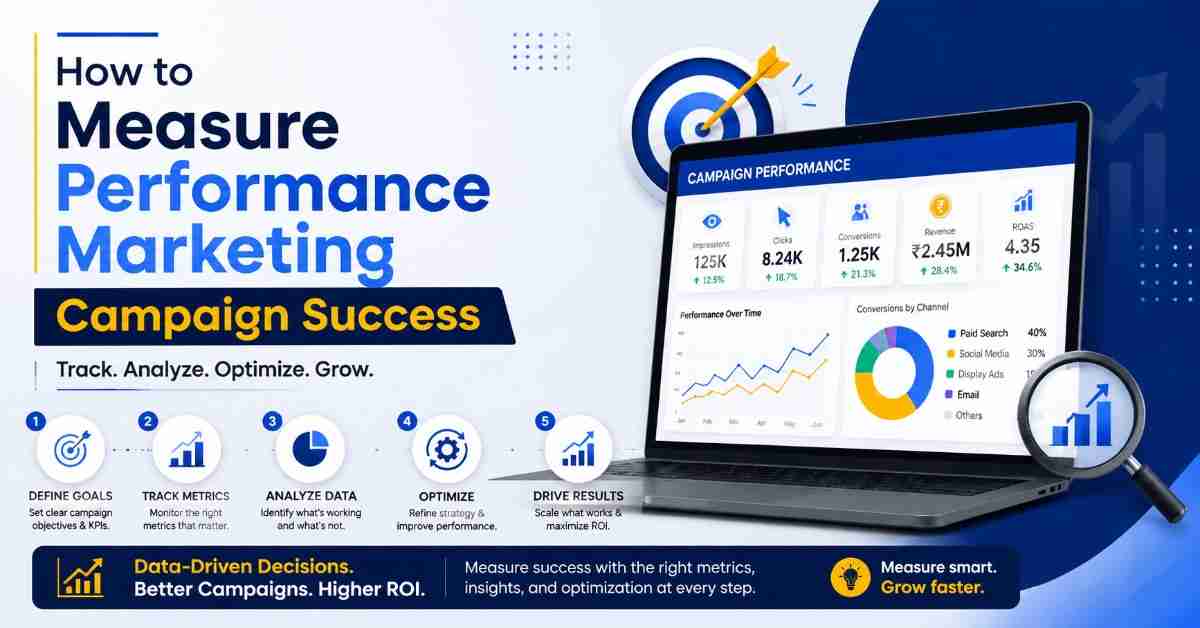
Track impressions, click-through rate (CTR), conversion rate, average order value (AOV), cost per conversion, and ROAS. Segment metrics by device, audience, and creative to identify where performance differs and where to focus optimization.
Actionable optimization loop
Collect data, generate hypotheses, run targeted tests, and apply winning changes. Maintain a cadence of review—weekly for ad performance, monthly for strategic shifts—to keep campaigns aligned with seasonal demand and inventory changes.
Common pitfalls and how to avoid them
Poor landing page experience
Ensure landing pages load quickly, display product detail clearly, and offer a friction-free checkout path. Slow or mismatched pages reduce the effectiveness of paid traffic.
Over-reliance on a single channel
Relying on one traffic source increases risk. Diversify across search, social, marketplaces, email, and referral partners to stabilize acquisition and discover new high-performing channels.
FAQ
What is online ecommerce advertising and why is it important?
Online ecommerce advertising refers to paid digital promotions that direct potential customers to an online store. It is important because it helps increase visibility, reach shoppers with purchase intent, and produces measurable outcomes such as sales and ROAS.
Which ad formats deliver the best return for ecommerce?
Return varies by business, but search-based ads, shopping feed ads, and dynamic retargeting commonly drive efficient direct response. Combining these with social and display for upper-funnel awareness supports consistent growth.
How should campaign performance be measured?
Measure using a mix of metrics: CTR to gauge interest, conversion rate to assess landing page and offer quality, CPA and ROAS for efficiency, and LTV to understand long-term value. Use analytics platforms and conversion tracking to attribute results accurately.
How can small ecommerce businesses compete with limited budgets?
Prioritize high-intent channels and niche audience targeting, optimize landing pages for conversions, use retargeting to recover potential buyers, and test creative to improve efficiency before scaling budgets.