Effective Online Learning Advertising: Education Ads and PPC Strategies to Boost Enrollment
-

- February 26th, 2026
- 1,541 views

FREE SEO Topical Map Generator: Find Your Next Content Ideas
Online Learning Advertising is a specialized set of marketing practices that promote courses, certifications, and learning platforms through paid channels. These strategies combine education ads, PPC ads, audience segmentation, and conversion tracking to attract prospective learners and measure enrollment outcomes.
- Define target audiences by intent, demographics, and learning goals.
- Use search, display, social, and remarketing tactically to support enrollment funnels.
- Measure with conversion tracking, cohort analysis, and lifetime value (LTV) metrics.
- Comply with privacy and advertising regulations (GDPR, COPPA/FTC where relevant).
Online Learning Advertising: Overview and why it matters
Online learning providers use paid media to reach learners at key decision points. Education ads and PPC ads can produce measurable enrollment leads when campaigns align with course calendars, audience intent, and clear conversion milestones. Effective campaigns reduce cost-per-acquisition (CPA) and improve return on ad spend (ROAS) by focusing on relevance, creative clarity, and reliable measurement.
Audience targeting and segmentation
Identify intent and learning stages
Segment audiences by search intent (e.g., "learn Python" vs "data science bootcamp"), educational background, career stage, and device usage. Map messaging to awareness, consideration, and enrollment stages so ads answer the learner’s immediate need.
Use audience signals
Combine first-party signals (site behavior, past enrollments, email lists) with contextual targeting (topics, course categories) to reach likely converters. Lookalike or similar-audience modeling can expand reach while preserving relevance.
Creative, messaging, and landing pages
Ad creative best practices
- Lead with clear value: certificate, skills gained, time to completion.
- Use social proof: accredited partners, completion rates, or testimonials (accurately represented).
- Include a precise call to action (e.g., "Start free module", "Apply by [date]").
Optimizing landing pages
Landing pages should match ad intent, load quickly, and collect only necessary information. Use progressive forms and micro-conversions (download syllabus, watch preview) to nurture prospects who are not ready to enroll immediately.
Bidding, budget allocation, and channel mix
Choose the right channels
Search-based PPC ads capture high intent; display and video build awareness and remarketing recovers interested visitors. Social platforms can reach learners by interest and professional attributes. Allocate budgets according to funnel stage and historical conversion rates.
Bidding and performance targets
Set bids based on target CPA, projected lifetime value, and margin per enrollment. Experiment with automated bid strategies if available, but monitor for margin impact. Test audience-level bids and negative keywords to reduce wasted spend.
Measurement, analytics, and optimization
Key metrics to track
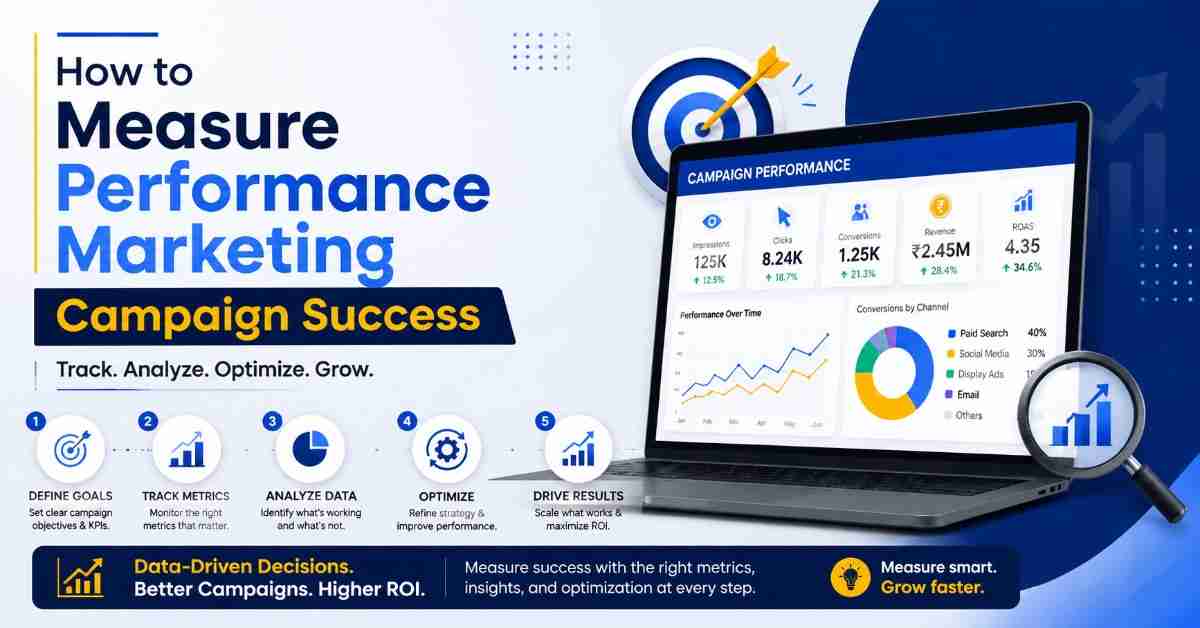
- Click-through rate (CTR), cost per click (CPC).
- Conversion rate (CVR), cost per acquisition (CPA).
- Lead quality signals: demo requests, application starts, paid enrollments.
- Lifetime metrics: learner retention, upsell conversion, lifetime value (LTV).
Testing and attribution
Use A/B tests for creatives and landing pages. Apply multi-touch or data-driven attribution to understand which channels assist conversions. Ensure tracking works across devices and email sequences; consider server-side or consented first-party tagging where privacy policies require it.
Regulatory and privacy considerations
Advertising for education must follow general ad and consumer protection laws. Reference standards from regulators such as the Federal Trade Commission (FTC) in the U.S. and privacy frameworks like the General Data Protection Regulation (GDPR) in the EU. When targeting minors, follow specific rules under COPPA or local equivalents. Industry standards produced by bodies such as the Interactive Advertising Bureau (IAB) help with responsible ad labeling and measurement.
For data and policy context on digital education trends, consult authoritative research such as reports from the OECD: OECD Education.
Common campaign setups and examples
Short courses and bootcamps
Focus on search campaigns targeting career-change keywords and remarketing to visitors who viewed course syllabi. Offer limited-time discounts and fast-tracked enrollment options to increase urgency.
Degree programs and long-form learning
Use content marketing and video to educate prospects about outcomes, faculty, and accreditation. Capture leads via downloadable program guides and nurture with email sequences and webinars.
Operational tips for teams
- Centralize reporting so paid, organic, and email channels are evaluated together.
- Document creative guidelines that ensure claims about outcomes are verifiable and compliant.
- Train enrollment staff on the campaign offers and required disclosures to maintain trust and reduce drop-offs.
Frequently Asked Questions
What is Online Learning Advertising and how does it differ from general PPC ads?
Online Learning Advertising focuses on promoting courses and learning outcomes; it differs from general PPC by emphasizing educational intent, longer sales cycles, and measurement of learner outcomes (e.g., completions, certifications) rather than immediate retail purchases. Messaging and landing pages are tailored to decision timelines and accreditation details.
Which channels work best for education ads?
Search ads perform well for high-intent queries, while video and social channels are effective for awareness and storytelling. Display and programmatic advertising support reach and remarketing; the optimal mix depends on target audience and program length.
How should conversion value be measured for courses?
Measure immediate conversions (applications, enrollments) and track downstream signals such as course completion, certification, renewals, and upsells to estimate lifetime value. Cohort analysis helps assess long-term ROI.
Are there specific privacy rules for targeting learners?
Yes. Data collection and targeting must comply with privacy laws like GDPR and sector-specific rules for minors (COPPA in the U.S.). Maintain clear consent mechanisms, privacy notices, and options to opt out of profiling.
How often should campaigns be reviewed and optimized?
Review campaign performance weekly for spend and immediate KPIs, and monthly or quarterly for strategic changes like audience expansion, creative refreshes, and attribution model updates.