Elderly Caretaker at Home in Gurgaon: Support for Your Loved Ones
-

- Published Updated
- 62 views
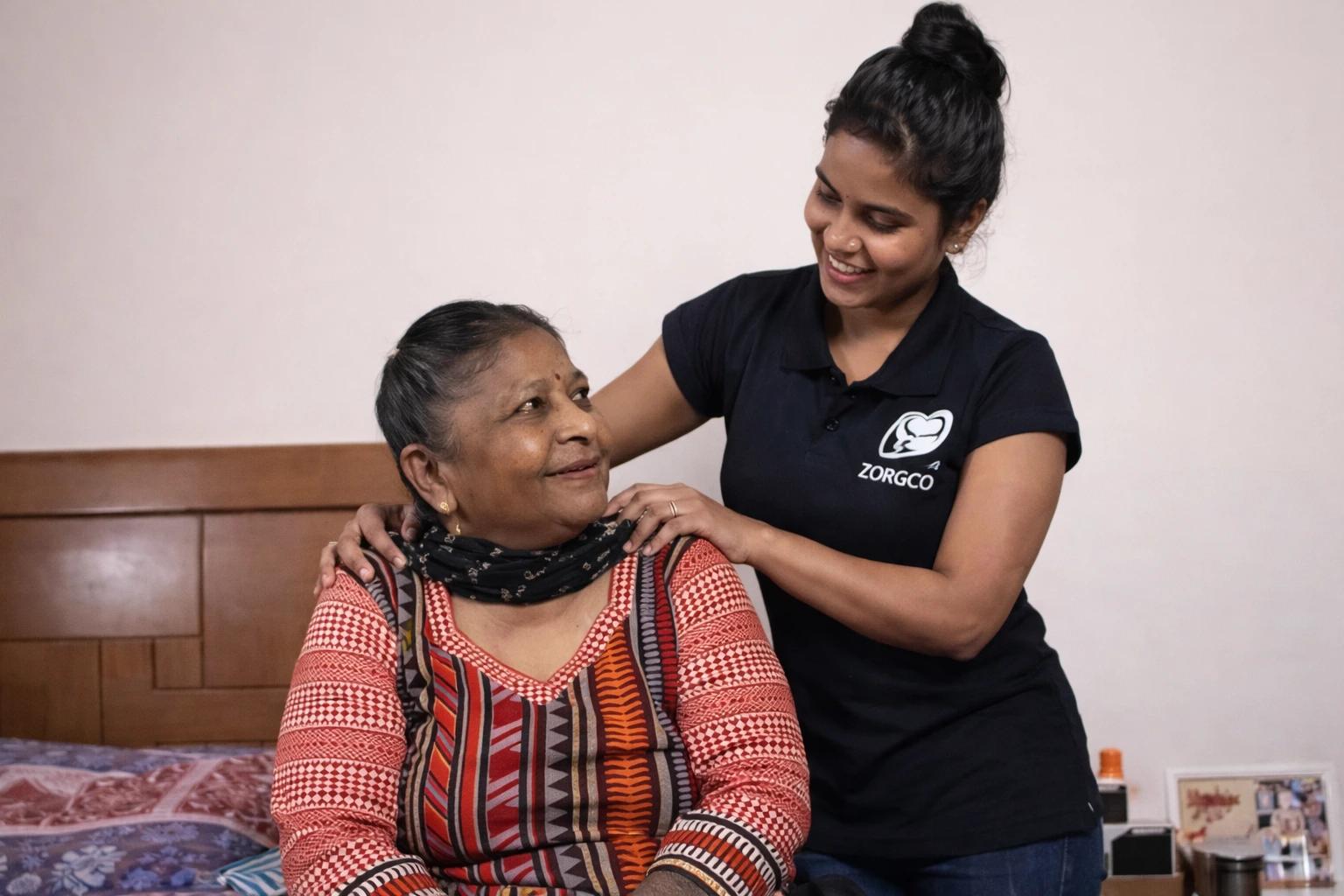
Caring for an elderly family member can be rewarding, but it can also become challenging when they need help with everyday activities. Many older adults prefer to stay in their own homes, surrounded by familiar things and people. With the right support, families can make this possible while helping their loved ones feel comfortable and respected.
For families looking for an elderly caretaker at home in Gurgaon, understanding the available care options is a useful first step. The right caretaker can help with daily routines, provide companionship and make everyday life easier for both older adults and their families.
Why Home Care Can Be a Good Option
Home is often where older adults feel most comfortable. They know their surroundings, follow familiar routines and can continue enjoying the little things that make their day meaningful.
Having a caretaker at home can help older adults manage daily activities while maintaining as much independence as possible. It can also give family members more time to manage work and other responsibilities without feeling that their loved one is being left without support.
Families exploring elderly caretaker services at home in Gurgaon can review the available service details to understand what kind of assistance may suit their needs.
What Does an Elderly Caretaker Do?
The responsibilities of a caretaker depend on an older adult's daily routine, mobility and level of independence. Common forms of assistance may include:
Help with daily activities: Assistance with dressing, grooming, bathing and other personal routines, depending on the person's needs.
Companionship: Spending time together, talking, reading or participating in familiar activities can help older adults feel connected.
Mobility assistance: Helping an older adult move around the home safely, when this is within the caretaker's training and responsibilities.
Meal-time support: Helping with meals and maintaining regular eating routines according to the family's instructions.
Daily routine support: Providing reminders and assistance with everyday tasks as agreed with the family.
Family communication: Sharing relevant observations about daily routines and changes that the family should know about.
It is important to understand that general caregiving and skilled nursing are different. Medical procedures, clinical assessments and other nursing tasks should be handled by appropriately qualified healthcare professionals.
How to Choose the Right Caretaker
Every family has different requirements, so it helps to consider a few important points before arranging care.
Understand the level of assistance required. Make a list of the activities your family member can manage independently and those where they need help. Consider whether they need occasional support, several hours of assistance or more regular care.
Discuss experience and training. Ask about the caretaker's relevant experience, training and ability to manage the responsibilities involved. If your loved one has mobility difficulties or specific care needs, explain these clearly before care begins.
Prioritise safety and dignity. A caretaker should respect the older person's privacy, preferences and personal boundaries. Families should also discuss home safety, emergency contacts and procedures for reporting concerns.
Maintain open communication. Clear expectations help everyone understand the daily routine, responsibilities and any changes that need to be communicated to family members.
Review the arrangement regularly. Care needs can change over time. Check in with your loved one and the caretaker to make sure the arrangement continues to meet everyone's needs.
Helping Older Adults Feel Comfortable at Home
Arranging care is not only about completing daily tasks. It is also about understanding an older person's preferences and helping them feel included in decisions about their own life.
Small steps can make a difference. Keep frequently used items within easy reach, maintain clear walking paths, ensure adequate lighting and make time for conversations. Encourage older adults to continue activities they enjoy, whenever it is safe and appropriate for them.
Families should also listen to what their loved ones want. Some may welcome assistance immediately, while others may need time to adjust to having someone new in their home. Explaining the purpose of the arrangement and involving them in decisions can make the transition easier.
When Should Families Consider Additional Help?
Families may want to explore extra support when everyday activities become difficult, when an older adult experiences changes in mobility, or when family members struggle to provide consistent assistance alongside their other responsibilities.
A sudden change in health, confusion, repeated falls or difficulty performing previously manageable activities should not be ignored. Seek appropriate medical advice when concerns arise, and arrange emergency care when symptoms are urgent.
The aim is not to take away an older person's independence. Rather, suitable support can help them manage daily life more comfortably while allowing family members to share caregiving responsibilities.
Final Thoughts
Choosing an elderly caretaker is a personal decision that depends on an older adult's needs, preferences and home environment. By understanding the required level of support, discussing expectations clearly and reviewing the arrangement over time, families can make a more informed choice.
With thoughtful planning and suitable assistance, older adults may be able to continue living in familiar surroundings while receiving help with the activities that have become difficult. The most important thing is to choose care that respects their comfort, dignity and individual needs.