Electronics Industry Event Munich: Explore Tech Trends
-

- Published Updated
- 1,826 views
The electronics industry is evolving rapidly as artificial intelligence, connected devices, automation, semiconductor technology and sustainable engineering become increasingly important across global markets. Businesses are investing in smarter systems, more efficient components and technologies that can support the next generation of industrial and consumer applications.
For professionals looking to understand these developments, Electronica Munich 2026 offers an important meeting point for the international electronics sector. The event brings together manufacturers, technology suppliers, engineers, researchers, distributors and business leaders who want to explore new products and understand emerging industry directions.
This guide explores some of the major technology trends businesses can follow and how exhibitors can prepare for a strong presence at the event.
Why Electronica Munich 2026 Matters
Electronica Munich 2026 provides a platform for companies involved in electronic components, systems, embedded technologies, automation, manufacturing and related solutions.
A major munich electronics exhibition can be valuable for both established companies and emerging technology businesses. Exhibitors can introduce products, demonstrate innovations and meet professionals who are actively looking for new solutions.
Key business opportunities include:
Product launches
Technology demonstrations
Customer meetings
Distributor networking
Supplier discussions
International partnerships
Competitor research
Market development
The Electronica Munich Trade Fair also allows visitors to compare different technologies and understand how electronic solutions are being applied across industries.
Artificial Intelligence Is Transforming Electronics
Artificial intelligence is no longer limited to software applications. It is increasingly being integrated into electronic devices, embedded systems, sensors and industrial equipment.
AI can support predictive maintenance, automated inspection, intelligent control systems and real-time decision-making. In consumer technology, it can power smart devices and personalised experiences, while automotive companies are using it in driver-assistance and connected vehicle technologies.
For electronics businesses, the important question is how AI creates practical value.
An AI-enabled product can be presented around benefits such as:
Improved accuracy
Faster analysis
Reduced downtime
Automated processes
Better resource management
Improved product performance
At an exhibition, live demonstrations can make these benefits much easier for visitors to understand.
Semiconductor Technology Continues to Drive Innovation
Semiconductors remain fundamental to almost every modern electronic system. They support smartphones, vehicles, medical equipment, industrial machinery, telecommunications infrastructure and computing systems.
The development of artificial intelligence, electric mobility and connected devices is increasing demand for advanced semiconductor solutions. Businesses are looking for better processing performance, energy efficiency, reliability and compact designs.
For exhibitors, technical specifications are important, but application-based communication can be even more effective.
Instead of simply showing a component, a company can demonstrate where it is used and what problem it solves. This helps engineers understand technical capabilities while allowing business visitors to see the commercial value.
Smart Manufacturing Is Changing Industrial Operations
One of the most significant technology trends is the development of smart manufacturing. Connected machines, sensors, automation and software are allowing manufacturers to collect real-time information and improve production processes.
Electronics companies are contributing to this transformation through:
Industrial sensors
Controllers
Robotics components
Embedded systems
Communication technologies
Monitoring solutions
Automation equipment
Smart manufacturing can help businesses monitor equipment, reduce downtime and improve quality control.
For exhibitors at the electronics fair Munich, an interactive manufacturing demonstration can communicate these benefits effectively. Instead of presenting individual products separately, companies can show how several technologies work together within a production environment.
Electric Mobility Is Increasing Demand for Electronics
The automotive industry is becoming increasingly dependent on electronic systems as electric and connected vehicles continue to develop.
Battery management systems, charging technologies, power electronics, sensors and electronic control units are becoming important areas of innovation.
The growth of electric mobility also creates opportunities for electronics manufacturers that can provide solutions for efficiency, safety and vehicle performance.
At Electronica Munich 2026, automotive technology companies can use product demonstrations, prototypes and technical diagrams to explain their contribution to the changing automotive landscape.
A strong display should show how a product works within a larger vehicle system rather than presenting technical specifications without context.
IoT Is Creating More Connected Systems
The Internet of Things is connecting devices, machines and systems across industrial and commercial environments.
Factories can use connected sensors to monitor equipment. Logistics companies can track assets. Smart buildings can manage energy consumption. Healthcare providers can use connected devices for monitoring and data collection.
For an IoT company, the exhibition stand should make the entire process easy to understand.
Visitors should be able to see:
How information is collected
How data is transferred
How it is analysed
How the resulting information supports a decision or action
Interactive screens and working demonstrations can make this process more engaging than static technical graphics.
Sustainability Is Becoming Part of Electronics Innovation
Sustainability is increasingly influencing both product development and business decisions in the electronics sector.
Companies are looking at energy-efficient products, longer product life cycles, responsible materials and improved resource management. Buyers are also becoming more interested in the environmental impact of the technologies they purchase.
Exhibitors can communicate sustainability through both products and exhibition design.
For example, companies can use:
Energy-efficient LED lighting
Reusable modular structures
Digital brochures
Recyclable display materials
Durable booth components
Digital product presentations
This approach can reduce unnecessary waste while creating a modern exhibition environment.
Product Demonstrations Can Strengthen Visitor Engagement
Electronics products can be technically complex. A visitor may not fully understand a product by looking at a specification sheet or printed brochure.
Live demonstrations can solve this problem by showing the technology in operation.
Depending on the company, demonstrations can include:
Working prototypes
Sensors
Embedded systems
Software interfaces
Connected devices
Testing equipment
Automation solutions
Electronic components
A successful demonstration should be easy to understand and connected to a specific business benefit.
Staff should also be prepared to adjust their explanation depending on the visitor. Engineers may want technical details, while purchasing managers may focus more on reliability, cost and implementation.
Designing an Effective Electronics Exhibition Stand
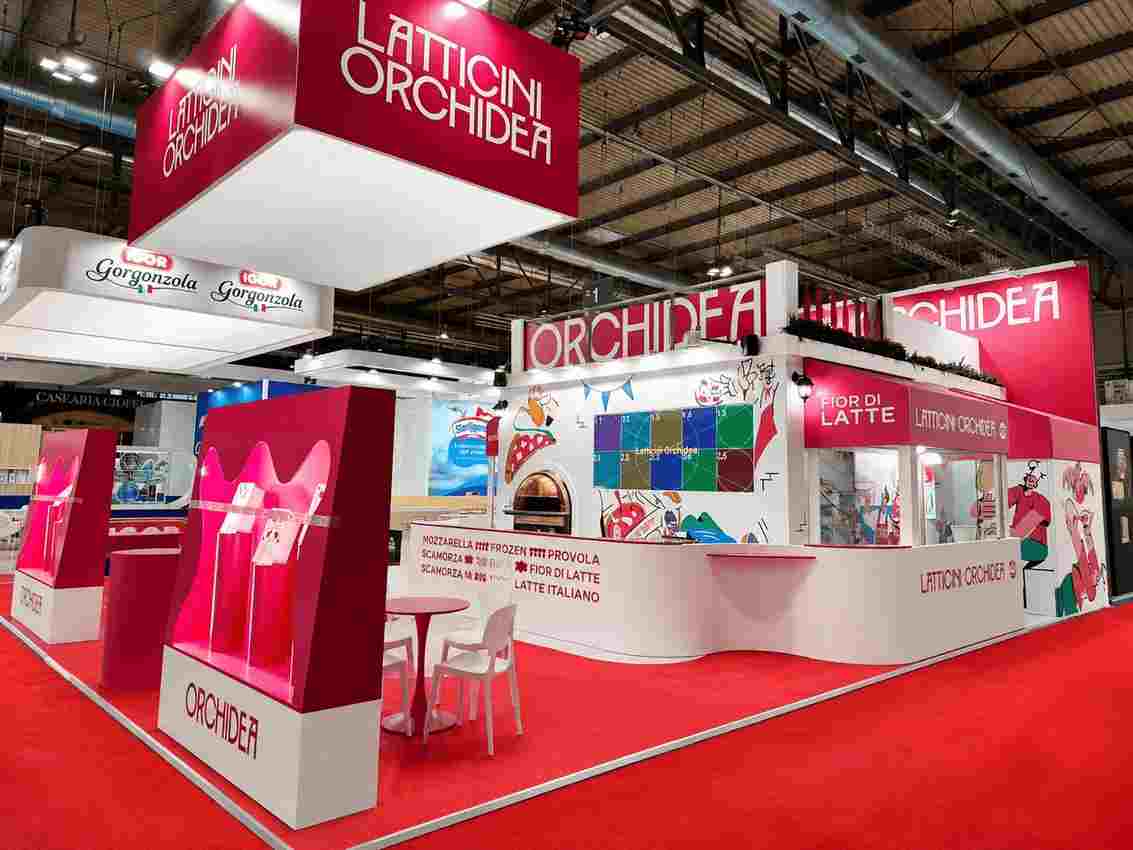
A professional exhibition stand should support the company's marketing and business objectives. It should provide enough space for visitors to explore products while allowing staff to hold productive conversations.
An electronics stand may include:
Product display zones
Demonstration counters
Digital screens
Interactive displays
Technical graphics
Meeting tables
Private discussion areas
Storage
Integrated lighting
The layout should be simple to navigate. Important products should be easy to identify, while technical information should be organised rather than placed randomly across the stand.
Lighting can also be used strategically to highlight important products and create visual focus.
Choosing an Exhibition Stand Builder Munich
Selecting an experienced Exhibition Stand Builder Munich is an important part of preparing for a technology-focused exhibition.
Electronics companies may have requirements for product demonstrations, electrical equipment, screens, lighting, secure displays and meeting facilities. A stand builder should understand how to integrate these elements into a practical design.
When selecting an exhibition stand builder munich, consider the following.
Experience With Technology Exhibitions
Experience with electronics and engineering events can help a builder understand the requirements of technical products and demonstrations.
Customised Stand Design
A custom stand can be developed around the company's products, brand identity, target audience and business objectives.
Complete Project Management
Exhibitors may need support with design, fabrication, transport, installation and dismantling. A complete project approach can make the preparation process easier to manage.
Venue and Safety Requirements
Exhibition venues have specific requirements for construction, electrical systems, materials and fire safety. The selected stand builder should understand these requirements and coordinate the necessary arrangements.
How Blueprint Exhibits Supports Electronics Exhibitors
Blueprint Exhibits provides custom, modular and turnkey exhibition stand solutions for businesses exhibiting in Germany and across Europe.
For electronics companies, the stand can be planned around product demonstrations, technical displays, meeting areas, storage, digital screens and branded graphics. The objective is to create an environment where visitors can understand the company's technology while staff can comfortably conduct business conversations.
The project can involve several stages, including stand design, fabrication, delivery, installation, on-site setup and dismantling.
For companies preparing for the Electronica Munich Trade Fair, working with an experienced exhibition partner can help coordinate the practical requirements of the stand while allowing the internal team to focus on products, visitors and business opportunities.
Preparing Your Exhibition Team
Even a well-designed stand requires a prepared team. Staff should understand the products and know how to communicate their key benefits.
Before the event, exhibitors should prepare:
Product presentations
Demonstration schedules
Lead collection methods
Meeting appointments
Staff responsibilities
Technical FAQs
Follow-up procedures
Team members should be able to explain complex technologies clearly without overwhelming visitors with unnecessary technical details.
Measuring Results After the Event
Businesses should establish measurable objectives before attending the munich electronics fair.
Useful metrics can include:
Qualified leads
Product demonstrations
Business meetings
Distributor enquiries
Partnership discussions
Follow-up appointments
Product sample requests
Sales opportunities
Electronics purchasing decisions can take time because products may require testing, technical approval and internal evaluation. Therefore, a successful exhibition should not be judged only by immediate sales.
A valuable technical conversation can become a business opportunity several months after the event.
Conclusion
Electronica Munich 2026 provides an opportunity for electronics businesses to explore major developments in artificial intelligence, semiconductors, smart manufacturing, electric mobility, IoT and sustainable technology.
For exhibitors, the event can be much more valuable when technology trends are connected to practical product demonstrations and clear business messages. A professional exhibition environment can help visitors understand complex solutions and create opportunities for meaningful conversations.
With the support of an experienced Exhibition Stand Builder Munich, companies can develop a stand that combines product presentation, technology, branding and business functionality while creating a more engaging experience for visitors.
FAQs
Q1. What technology trends are important at Electronica Munich 2026?
Ans. Major trends include artificial intelligence, semiconductor innovation, smart manufacturing, electric mobility, IoT, connected systems and sustainable electronics.
Q2. Why should businesses attend the munich electronics exhibition?
Ans. Businesses can use the event to discover new technologies, meet customers and partners, demonstrate products, study market developments and identify new commercial opportunities.
Q3. How can electronics companies make their exhibition stand more engaging?
Ans. Live product demonstrations, interactive screens, working prototypes, clear technical graphics and well-organised product displays can make complex technologies easier to understand.
Q4. What should companies consider when choosing an exhibition stand builder munich?
Ans. Companies should consider technical exhibition experience, custom design capabilities, project management, installation support, venue compliance and dismantling services.
Q5. Can Blueprint Exhibits provide exhibition stand solutions for Electronica Munich?
Ans. Yes. Blueprint Exhibits provides custom, modular and turnkey exhibition stand solutions, including design, fabrication, delivery, installation and dismantling for businesses exhibiting in Germany and across Europe.