Complete Guide to Tan Removal Treatments for Safer, Faster Results
-

- March 06th, 2026
- 695 views
Sun-induced discoloration and tanning are common concerns; understanding options for tan removal treatments helps restore even skin tone and prevents recurrence. This guide explains how different methods work, when to choose at-home tan removal remedies versus professional tan removal treatments, and how to set realistic expectations.
- Tans form from increased melanin after UV exposure; removing them requires exfoliation, melanogenesis modulation, and strict sun protection.
- At-home options (chemical exfoliants, topical lighteners, retinoids) are effective for mild tanning; professional treatments (peels, lasers) treat deeper or resistant pigment.
- Use the CLEAR tan removal checklist to choose and sequence treatments, and consult a dermatologist for persistent or uneven pigmentation.
Detected intent: Informational
Tan removal treatments: how they work and when to use them
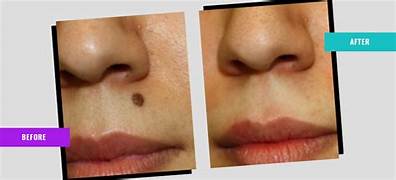
Tans are the skin's response to ultraviolet (UV) exposure: melanocytes produce more melanin, which darkens the epidermis. Effective tan removal treatments target three steps: remove excess pigmented cells (exfoliation), inhibit further pigment production (topical agents or energy-based therapies), and protect skin from new UV damage with sunscreen and behavior change.
Types of tan removal treatments
At-home tan removal remedies that work
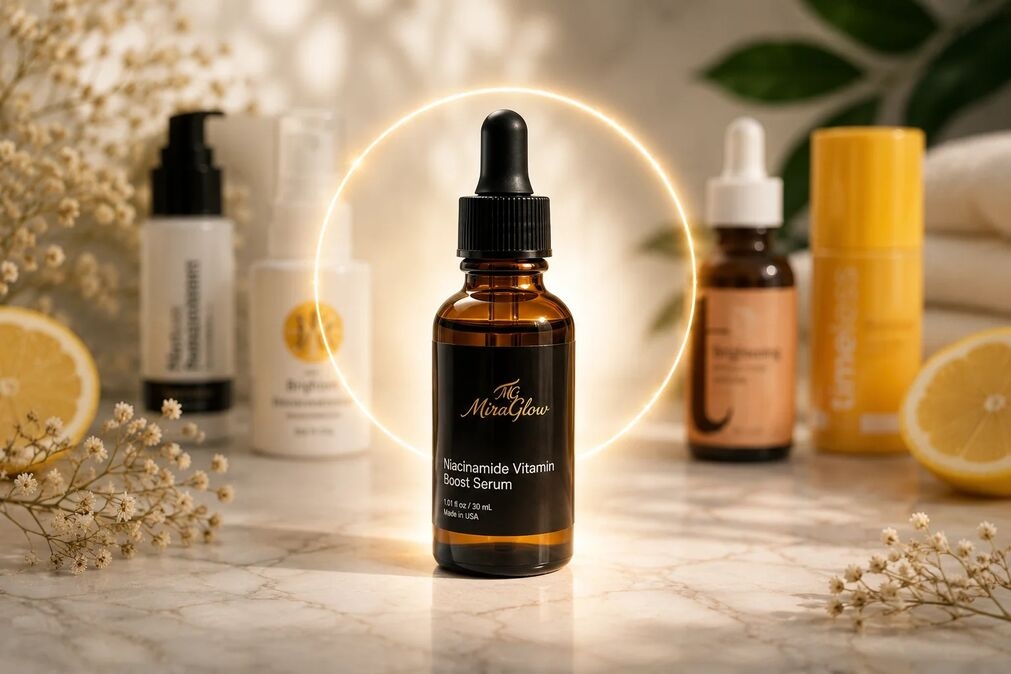
For mild, superficial tanning, start with consistent, gentle at-home approaches: alpha hydroxy acids (glycolic, lactic) and beta hydroxy acids (salicylic) for chemical exfoliation; topical antioxidants like vitamin C to stabilize pigment; retinoids to speed cell turnover; and licensed lightening actives (azelaic acid, kojic acid). Patch-test new products and introduce one product at a time to monitor irritation.
Professional tan removal treatments: pros and cons
When tanning is stubborn or uneven, professional tan removal treatments can accelerate results. Options include superficial chemical peels, microdermabrasion, fractional laser or intense pulsed light (IPL), and prescription topical agents such as higher-strength hydroquinone under medical supervision. Pros: stronger, faster results and targeted correction. Cons: higher cost, potential downtime, and varying suitability across skin tones. Always ask the provider about experience treating darker skin to avoid post-inflammatory hyperpigmentation.
Assessing skin type and risks before treatment
Skin tone and history of pigmentation affect treatment choice and risk. Fitzpatrick skin typing helps predict sensitivity to lasers and peels. For darker skin tones, milder exfoliation and gradual pigment-modulating strategies reduce the risk of worsening pigmentation. Review medications, history of cold sores (which can reactivate after procedures), and allergies.
Introducing the CLEAR tan removal checklist (a practical framework)
Use the CLEAR checklist to plan a safe, staged approach:
- Cleanse gently — start with a non-irritating cleanser to remove UV residues.
- Lighten with topical actives — antioxidant serums (vitamin C) and targeted agents (azelaic acid, kojic acid).
- Exfoliate appropriately — choose chemical exfoliants (AHA/BHA) before stronger interventions.
- Avoid sun exposure — broad-spectrum sunscreen (SPF 30–50) every day; reapply often and use physical barriers.
- Review results and repair — reassess after 8–12 weeks and consider professional options if results plateau.
Practical example: a realistic 12-week plan
Scenario: An individual has a noticeable facial tan after a two-week beach trip. Week 0: photo documentation and mild cleanser. Weeks 1–4: start vitamin C serum in the morning, azelaic acid at night, and daily SPF 50. Weeks 5–8: add a 5–10% glycolic acid product once weekly, increasing to twice weekly if tolerated. Weeks 9–12: reassess; if tan persists, consult a clinic for a superficial peel or targeted laser evaluation. This staged approach reduces irritation and allows safe escalation.
Practical tips for faster, safer results
- Always apply broad-spectrum sunscreen daily; sunscreen prevents new melanin production. For guidance on sunscreen and sun protection, refer to reputable dermatology sources such as the American Academy of Dermatology (AAD).
- Introduce exfoliants slowly and avoid combining multiple strong actives (for example, high-strength retinoids and strong AHAs simultaneously) to reduce irritation risk.
- Use physical sun protection (hats, clothing) in addition to sunscreen, especially during treatment courses that increase photosensitivity.
- Patch-test lightening agents on an inconspicuous area for 7–10 days before full-face use to check for allergic or irritant reactions.
Common mistakes and trade-offs when choosing treatments
Common mistakes
- Over-exfoliation — using multiple strong scrubs or acids daily can damage the barrier and worsen pigmentation.
- Skipping sun protection — any treatment that removes pigmented cells will leave skin vulnerable; skipping sunscreen invites rebound tanning.
- Expecting overnight results — topical methods often take 8–12 weeks; lasers and peels can speed this but carry higher risk.
Trade-offs to consider
Stronger professional interventions can produce faster outcomes but involve downtime, expense, and greater risk of post-treatment hyperpigmentation, especially for darker skin tones. At-home regimens are safer and cheaper but require patience and consistent use. When choosing, weigh speed against cost, risk, and skin type compatibility.
Core cluster questions (for related content and internal linking)
- How long do tan removal treatments typically take to show visible improvement?
- Which tan removal treatments are safest for darker skin tones?
- Can chemical exfoliants remove deep tanning from repeated sun exposure?
- When should a dermatologist be consulted for persistent pigmentation after tanning?
- What daily habits prevent re-tanning after removal treatments?
When to see a dermatologist
Consult a dermatologist if tanning is persistent despite consistent at-home care, if pigmentation is patchy or asymmetrical, or if acne or inflammation accompanies tanning. A clinician can document baseline skin, recommend prescription-strength topical agents, or suggest in-office procedures appropriate for the individual’s skin type.
Measurement and expectations
Use photos taken in consistent lighting and, if available, a clinician’s instrument (e.g., mexameter) to track pigment objectively. Expect measurable improvement in 8–12 weeks with topical regimens; professional courses may shorten that timeline, but full normalization can still take months depending on depth of pigment.
FAQ: How effective are tan removal treatments for facial tanning?
Effectiveness varies with tan depth and chosen method. Superficial tans typically respond well to exfoliation and topical agents over 8–12 weeks. Deeper or long-standing pigmentation may require professional treatments. Consistent sun protection is essential for maintaining results.
Can at-home tan removal remedies damage the skin?
They can if used improperly. Overuse of acids or combining multiple strong actives increases the risk of barrier damage and post-inflammatory hyperpigmentation. Follow product instructions, introduce one active at a time, and use sunscreen daily.
Are professional tan removal treatments safe for all skin types?
Many professional options are safe when chosen for the correct skin type and performed by experienced providers. Some lasers carry a higher risk for darker skin; practitioners should adjust parameters or choose alternative modalities to reduce risk.
How soon should sunscreen be applied during a tan removal program?
Apply broad-spectrum sunscreen every morning and reapply every two hours when outdoors. Sunscreen should be part of the routine from day one of treatment to prevent new melanin production and protect compromised skin.
What are realistic expectations for maintenance after successful tan removal treatments?
Maintenance includes daily sunscreen, periodic exfoliation (depending on tolerance), and occasional touch-ups with topical agents. Avoid intentional tanning and use physical sun protection to keep results long-term.