Emergency Roof Repair Cost: Typical Prices, What Influences Them, and a Quick Action Checklist
-

- Published Updated
- 1,177 views
Detected intent: Informational
When a leak, fallen tree, or storm damage appears, the first question is often: how much will this cost? This guide explains emergency roof repair cost ranges, the factors that drive price, and practical next steps to limit damage and expense. Use the RAPID Roof Triage framework and checklist below to act fast and make informed decisions.
- Typical emergency roof repair cost: $200–$2,000 for temporary fixes; major emergency replacements can exceed $5,000.
- Costs depend on damage type, roof pitch, materials, access, and local labor rates.
- Immediate steps: document damage, arrange safe tarping, contact insurance, and get at least two quotes.
emergency roof repair cost: typical ranges and what to expect
Expect a wide range for emergency repairs because the primary cost drivers are how extensive the damage is and how quickly a contractor must respond. Typical emergency roof repair cost ranges are:
- Temporary tarping or tar band: $150–$600 — quick protection to stop further interior damage.
- Small leak patch or shingle replacement: $200–$900, depending on materials and access.
- Flashing or plumbing boot repair: $250–$1,200 if flashing underlayment or decking needs attention.
- Structural or sheathing replacement after fallen-tree damage: $1,000–$5,000+ when framing or decking requires repair.
- Emergency full roof replacement (storm or fire): varies widely — often $5,000–$20,000+ depending on size and materials.
Key factors that affect emergency roof repair cost
Several variables influence price:
- Damage severity: surface shingle damage is cheaper than sheathing or structural damage.
- Roof pitch and access: steep or multi-story roofs increase labor time and safety equipment needs.
- Materials: architectural shingles, metal, tile, or slate have different labor and material costs.
- Timing and urgency: after-hours, weekend, or storm-response calls often carry emergency call-out fees.
- Location and local labor rates: metropolitan areas and regions with high demand may cost more.
- Insurance, permits, and disposal: deductible, permit fees, and debris removal add to the final bill.
RAPID Roof Triage Framework (a practical checklist)
Use the named RAPID Roof Triage framework to prioritize actions immediately after damage is discovered:
- Record — Photograph and timestamp damage from multiple angles before touching anything.
- Assess — Determine immediate hazards: sagging, electrical contact, or heavy debris.
- Protect — Implement short-term protections like tarping to prevent further water intrusion.
- Identify — Contact insurance and licensed roofers for emergency estimates and next steps.
- Document — Keep receipts, contractor reports, and invoices for claims and future repairs.
Real-world example scenario
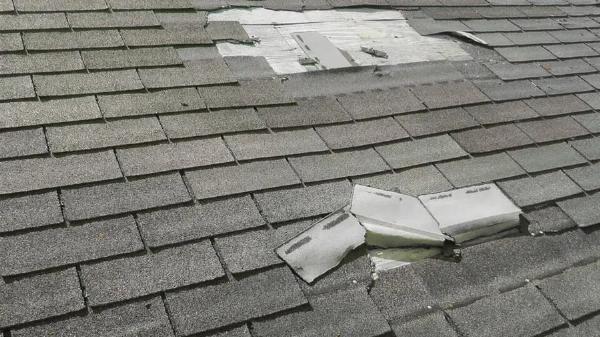
After a severe windstorm, a suburban homeowner finds several missing shingles, a small area of exposed decking, and a leaking attic. Actions and costs:
- Immediate tarping by a local crew: $275.
- Replacement of six shingles and sealing flashing: $475.
- Minor decking replacement under the leak: $650.
- Total emergency roof repair cost for this scenario: approximately $1,400, with receipts submitted to the insurer for partial reimbursement after the deductible is applied.
Practical tips to reduce costs and limit damage
- Document everything: photos and time-stamped notes improve the insurance claim and contractor accuracy.
- Get a temporary fix first: tarping typically costs far less than interior water damage remediation.
- Ask for written emergency estimates that separate temporary protection from permanent repairs.
- Check contractor credentials and local building permit requirements to avoid rework or fines.
- Coordinate with the insurance adjuster early — many insurers accept emergency repairs to prevent further loss.
For safety and official guidance on immediate protective measures after storm damage, government disaster resources provide recommended steps to secure property: FEMA.
Common mistakes and trade-offs when arranging emergency repairs
Understanding trade-offs helps avoid costly errors.
- Rushing to hire the first available contractor: trade-off — quick response vs. potential overcharging or poor workmanship.
- Skipping documentation to save time: trade-off — immediate convenience vs. weaker insurance claims.
- Choosing temporary fixes alone: trade-off — lower near-term cost vs. possible higher long-term repairs if underlying damage remains.
- DIY emergency repairs on steep or tall roofs: common mistake — creates safety risks and may void insurance coverage.
How insurance typically interacts with emergency repairs
Insurance policies often allow or require policyholders to make reasonable temporary repairs to prevent further damage. Keep receipts and photographs. Deductible terms, covered perils (wind, hail, fire), and policy limits affect how much of the emergency roof repair cost will be reimbursed. Always verify coverage details with the insurer before committing to expensive permanent work when possible.
Frequently asked questions
What affects emergency roof repair cost?
Severity of damage, roof pitch and access, materials, emergency call-out fees, local labor rates, and whether structural work or decking replacement is required.
How much does emergency roof repair cost?
Emergency roof repair cost varies: small temporary fixes often run $150–$600; more extensive emergency repairs commonly fall in the $1,000–$5,000 range; full replacements can be much higher depending on size and materials.
Can temporary tarping prevent higher repair bills?
Yes. A timely tarp can prevent interior water damage that leads to mold, insulation replacement, and drywall repair—costs that often exceed the tarping fee.
Should emergency roof repairs be done before calling an insurance adjuster?
Safety and preventing further damage come first. Reasonable temporary repairs are generally acceptable; document all work and receipts and notify the insurer promptly so an adjuster can inspect the damage.
How to choose a trustworthy emergency roofing contractor?
Check licensure, local reviews, written estimates, insurance coverage for the contractor, and clear timelines. Avoid contractors who demand large upfront cash payments without a clear scope of work.
- What are the average emergency roof repair cost ranges by damage type?
- How does roof pitch and material change emergency repair pricing?
- When should a homeowner choose tarping versus full roof replacement?
- What documentation do insurers require for emergency roof repairs?
- How to find licensed emergency roof repair contractors in a storm area?