The Power of Emotional Wellbeing in Modern Living
-

- September 21st, 2026
- 21 views
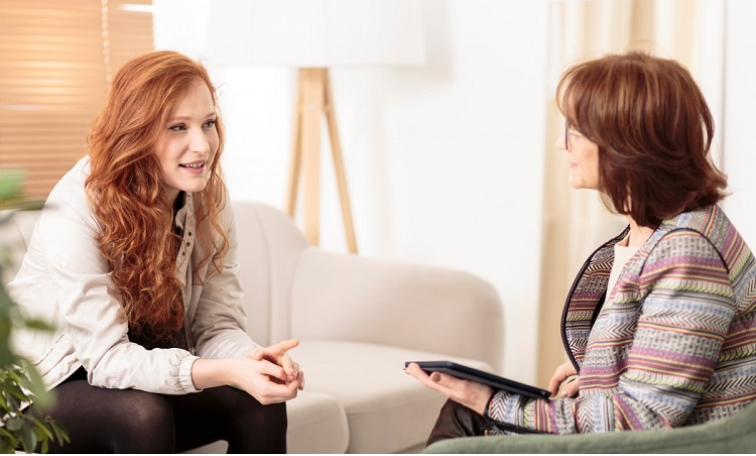
Modern lifestyles often demand constant attention, quick decisions, and the ability to balance personal and professional responsibilities. While these expectations encourage growth, they can also create emotional pressure that gradually affects mental wellbeing. People increasingly recognize that caring for emotional health is just as important as maintaining physical fitness, which is why many individuals begin their search for a Speech Therapist In Dubai when communication difficulties start affecting confidence and everyday life.
Communication Shapes Every Stage of Life
From early childhood to adulthood, communication plays a central role in education, relationships, careers, and social participation. Being able to express ideas clearly, understand conversations, and interact comfortably helps people navigate daily experiences with confidence.
Strong communication skills contribute to:
Better academic learning
Improved workplace collaboration
Healthier personal relationships
Greater self-confidence
Enhanced problem-solving abilities
Positive social interactions
When communication becomes difficult, even simple conversations may feel overwhelming.
Understanding Different Forms of Communication
Communication extends far beyond spoken words. Facial expressions, gestures, eye contact, listening skills, and tone of voice all influence how messages are shared and understood.
Developing these abilities creates stronger personal connections and reduces misunderstandings in everyday situations.
Recognizing Common Communication Challenges
Speech and language concerns can affect individuals differently depending on age, environment, and personal experiences.
Some frequently observed challenges include:
Difficulty pronouncing certain sounds
Delayed language development
Trouble organizing thoughts
Limited vocabulary growth
Stammering during conversations
Difficulty understanding instructions
Reduced confidence while speaking
Recognizing these concerns early creates opportunities for meaningful improvement.
Small Signs Can Make a Big Difference
Communication difficulties sometimes begin gradually. People may avoid conversations, hesitate before speaking, or become frustrated when trying to express themselves.
Paying attention to these subtle changes allows supportive strategies to be introduced before the challenges become more significant.
Daily Habits That Encourage Better Communication
Consistent practice often leads to noticeable improvement over time.
Helpful routines include:
Reading books regularly
Having meaningful conversations
Asking open-ended questions
Listening carefully without interrupting
Learning new vocabulary naturally
Participating in group discussions
Practicing clear pronunciation
These simple habits strengthen communication skills while improving confidence.
Creating Supportive Environments
People communicate more effectively when they feel comfortable making mistakes without fear of criticism.
Encouragement, patience, and positive feedback motivate individuals to continue developing their communication abilities through regular practice.
Supporting Children's Language Development
Children develop communication skills through everyday experiences rather than formal lessons alone.
Parents and caregivers can encourage healthy language growth by:
Talking during daily routines
Reading together
Singing songs
Naming familiar objects
Encouraging storytelling
Allowing children enough time to respond
These activities naturally build vocabulary, listening skills, and self-expression.
Learning Through Everyday Experiences
Routine activities such as grocery shopping, cooking, outdoor walks, or family meals provide valuable opportunities for meaningful conversations.
These natural interactions help children understand language while strengthening emotional connections with family members.
Communication in Adult Life
Communication remains equally important throughout adulthood.
Clear speaking and active listening contribute to stronger teamwork, leadership, customer interactions, and professional growth.
Adults may also experience communication challenges due to changing work environments, increased responsibilities, or personal circumstances.
Improving communication skills often enhances both confidence and workplace performance.
Building Speaking Confidence
Confidence develops through repeated practice rather than instant perfection.
Helpful strategies include:
Speaking at a comfortable pace
Organizing thoughts before conversations
Maintaining eye contact
Practicing breathing techniques
Reading aloud regularly
Participating in discussions whenever possible
These habits gradually reduce anxiety while encouraging clearer communication.
Emotional Health and Communication Are Connected
Communication difficulties often influence emotional wellbeing.
Individuals who struggle to express themselves may experience frustration, embarrassment, or reduced confidence. Over time, these feelings may affect relationships, education, or career opportunities.
Supportive families, friends, and communities play an important role by encouraging open conversations and creating safe environments where individuals feel understood.
Strengthening Relationships Through Better Communication
Healthy relationships depend on respectful communication.
Important practices include:
Listening attentively
Speaking honestly
Showing empathy
Clarifying misunderstandings calmly
Respecting different viewpoints
These habits improve trust while reducing unnecessary conflict.
Long-Term Growth Requires Consistency
Improving communication is an ongoing journey rather than a quick solution.
Steady progress is often achieved by:
Setting realistic goals
Practicing regularly
Celebrating small improvements
Remaining patient during setbacks
Maintaining positive routines
Continuing to learn from everyday experiences
Each small achievement contributes to greater confidence over time.
Every Conversation Builds Experience
Every interaction provides an opportunity to strengthen communication abilities.
Whether speaking with family members, colleagues, classmates, or friends, consistent participation gradually transforms hesitation into confidence and improves overall communication skills.
Conclusion
Effective communication supports learning, relationships, career development, and emotional wellbeing throughout life. Developing these skills through daily practice, supportive environments, and consistent encouragement creates lasting confidence for people of all ages. For individuals seeking professional guidance to improve emotional resilience alongside communication development, exploring Best female therapist in Dubai services may offer valuable support in building healthier relationships, stronger self-confidence, and a more balanced future.