How EMS Workout Suits Enhance Strength, Recovery, and Training Efficiency
-
- Published Updated
- 1,190 views
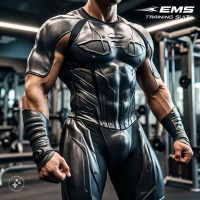
EMS workout suits use electrical muscle stimulation to activate muscle fibres through wearable electrodes during exercise and recovery. These suits are designed to supplement traditional strength training, improve muscle activation, and provide time-efficient sessions. Understanding how EMS technology, training protocols, and device features interact helps users decide whether an EMS approach fits their fitness routine.
- EMS workout suits apply controlled electrical pulses to muscles to increase activation during exercise and recovery.
- Potential benefits include improved muscle recruitment, time-efficient sessions, and targeted recovery when used properly.
- Safety, device certification (FDA, CE), correct fit, electrode placement, and professional guidance are important considerations.
EMS workout suits: How they work and potential benefits
Electrical muscle stimulation (EMS) transmits low-voltage electrical pulses through electrodes placed on the skin to trigger muscle contractions. When incorporated into movement or resistance exercises, EMS workout suits can enhance muscle activation beyond voluntary effort alone. Commonly described benefits in exercise science literature and manufacturer information include increased motor unit recruitment, targeted stimulation of specific muscle groups, and the ability to perform shorter sessions while maintaining intensity.
Key mechanisms
EMS targets muscle fibres by depolarizing motor neurons, producing contractions that supplement voluntary contractions. Adjusting frequency, pulse width, and intensity alters the sensation and depth of stimulation. Suits typically use multiple channels and electrode panels to stimulate major muscle groups—legs, glutes, core, chest, and back—either synchronously or independently.
Reported benefits and applications
Applications include strength training augmentation, rehabilitation adjuncts under professional supervision, fatigue management, and muscle endurance work. Research in sports science and physiotherapy indicates EMS can improve muscle strength and activation in certain contexts, particularly when combined with conventional resistance training or supervised protocols.
Types of EMS suits and technical features
Suit designs and electrode systems
Designs range from full-body garments with integrated electrode panels to modular systems where electrodes attach to fabric. Key technical features to compare include the number of stimulation channels, electrode size and placement, wireless control, battery life, and programmability of intensity and pulse patterns.
Control and training modes
High-quality systems offer adjustable intensity per channel, pre-set programs for strength or recovery, and the ability to combine voluntary movement cues with stimulation timing. Bluetooth or app-based controls are common for customizing sessions and tracking usage.
Safety, regulation, and evidence
Regulatory and professional guidance
EMS devices intended for muscle stimulation are subject to medical device regulations in many regions. Devices marketed for therapeutic use may carry regulatory approvals such as CE marking in Europe or oversight by national regulators. For information on regulation and safety of electrical stimulation devices, see guidance from the U.S. Food and Drug Administration: FDA — Electrical Stimulation Devices.
Evidence and recommended precautions
Peer-reviewed studies report mixed results depending on population, protocol, and outcomes measured. Research suggests EMS can be effective as an adjunct to training for increasing strength and muscle activation under controlled conditions, but results vary across healthy athletes, older adults, and rehabilitation patients. Contraindications and precautions—such as pregnancy, implanted electronic devices (e.g., pacemakers), certain cardiovascular conditions, and open wounds—are commonly cited by regulators and professional bodies. This content is informational; users should consult qualified health or exercise professionals for individualized guidance.
How to use an EMS suit effectively
Session structure and duration
Typical sessions range from 15 to 30 minutes when EMS is applied during active exercise. Protocols often combine brief high-intensity sets with recovery intervals. Frequency varies by goal; many training programs recommend one to three sessions per week layered onto existing strength or conditioning routines.
Integration with strength training and cardio
EMS is commonly used to complement weight training and functional movement exercises rather than replace them. When paired with resistance work, EMS can target specific muscles while the user performs compound movements to preserve functional adaptation. For aerobic conditioning, low-frequency stimulation may assist recovery between high-intensity intervals.
Choosing the right EMS workout suit
Fit, electrode placement, and comfort
Proper fit is crucial for consistent electrode contact and effectiveness. Look for suits with adjustable sizing, replaceable electrodes, and clear guidance on electrode maintenance. Comfort and breathability matter for repeated use.
Support, warranty, and professional training
Access to instructional resources, certified trainers, or physiotherapists familiar with EMS protocols improves safety and results. Consider devices with trustworthy customer support and warranty coverage.
Cost and long-term value
Pricing varies widely. Evaluate total cost of ownership, including electrodes, batteries, replacement parts, and any subscription services for app-based programming.
Maintenance and troubleshooting
Cleaning and electrode care
Follow manufacturer instructions for cleaning garments and storing electrodes. Replace adhesive electrodes according to manufacturer guidance to maintain conductivity and avoid skin irritation.
Common issues
Typical problems include poor electrode contact, uneven stimulation, or app connectivity issues. Restarting the device, re-seating electrodes, and ensuring garment fit often resolve common faults. For persistent problems, contact device support or a qualified technician.
Frequently asked questions
Are EMS workout suits safe to use at home?
EMS suits can be used at home by healthy adults when following manufacturer instructions and safety guidelines. Individuals with medical conditions, implanted electronic devices, or other contraindications should consult a healthcare professional before use. Regulatory guidance and device labeling provide safety information specific to each product.
How often should EMS sessions be performed?
Session frequency depends on goals, device recommendations, and individual recovery. Many protocols suggest one to three sessions per week in combination with conventional training; specific programs vary by intensity and user experience.
Can EMS suits replace regular strength training?
EMS is typically used as a supplement to traditional strength training rather than a direct replacement. Combining voluntary resistance exercise with EMS tends to produce more comprehensive functional and adaptive results than EMS alone.
What should be checked before buying an EMS suit?
Check regulatory certifications, electrode system quality, adjustable intensity per channel, fit and sizing, battery life, warranty, and access to professional support or training protocols. Compare peer-reviewed research relevant to the intended use and consult qualified professionals when needed.
Do EMS suits help with muscle recovery?
Low-intensity EMS modes are sometimes used for recovery and blood flow enhancement. Evidence is mixed; some studies report reduced perceived muscle soreness and improved circulation, while others find minimal effects. Use recovery programs per manufacturer guidance and professional recommendations.