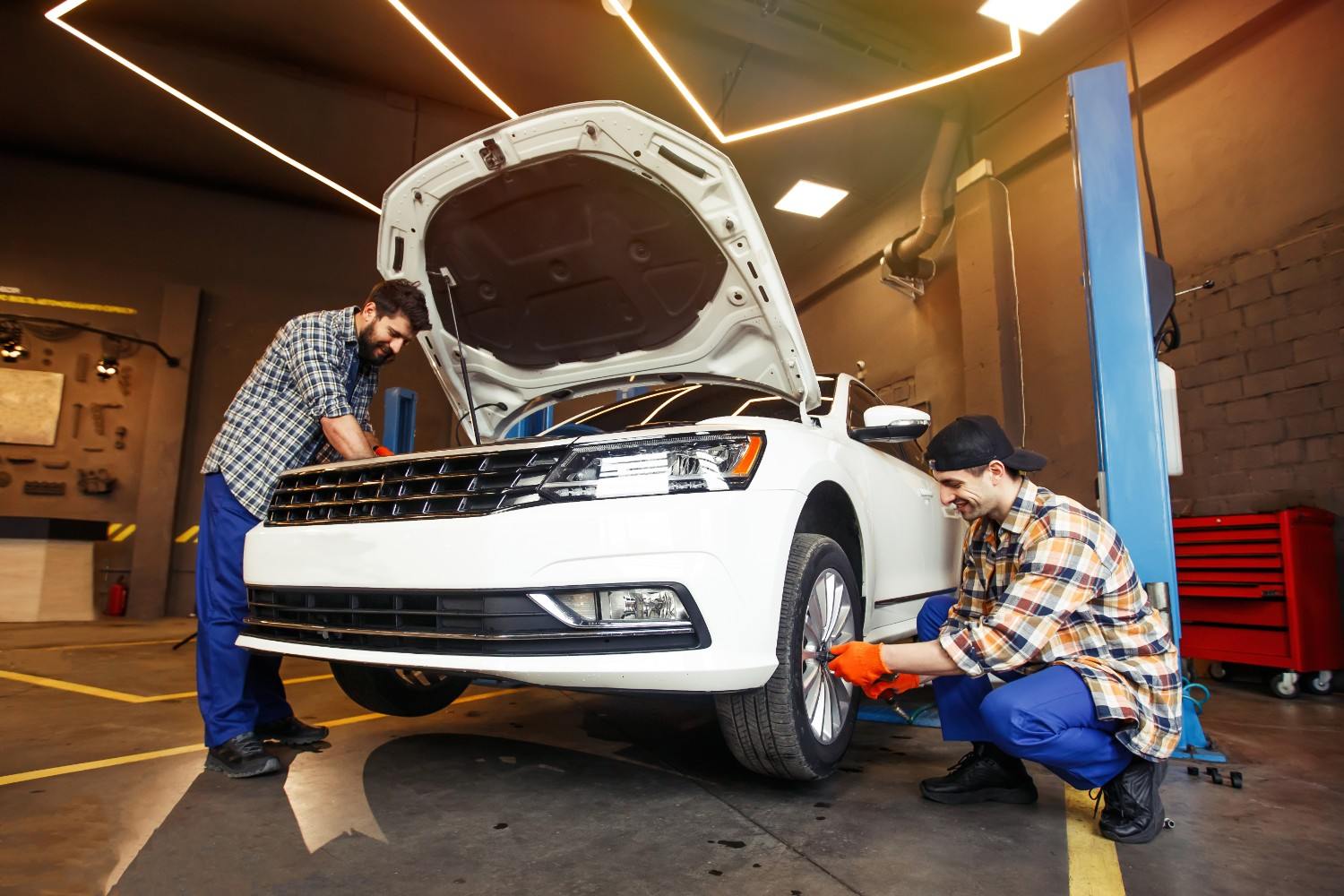
Essential Car Care: Practical Car Maintenance Tips to Extend Vehicle Life
-

- February 23rd, 2026
- 1,495 views

FREE SEO Topical Map Generator: Find Your Next Content Ideas
Keeping a vehicle reliable and safe starts with a basic set of car maintenance tips that anyone can follow. Regular care reduces breakdowns, preserves resale value and helps ensure safe operation.
- Follow a regular schedule for fluids, tires, brakes and filters.
- Check tire pressure and lights monthly; inspect belts and hoses seasonally.
- Keep records of service and consult the owner's manual and official guidance.
Car maintenance tips: essential tasks and schedule
Start with the vehicle manufacturer's recommended service intervals listed in the owner's manual. Common car maintenance tips include monitoring fluids (engine oil, coolant, brake fluid, transmission fluid and windshield washer), checking tire condition and pressure, and replacing filters and wipers as needed. Safety-related items such as brakes, lights and tires deserve priority.
Oil and fluids
Engine oil keeps moving parts lubricated and protects against wear. Check oil level monthly and change oil and filter according to the vehicle's recommendation or when a dashboard indicator appears. Coolant and brake fluid also need periodic checks; low levels or contaminated fluid warrant prompt attention.
Tires and alignment
Check tire pressure at least once a month and before long trips; underinflation reduces fuel economy and accelerates wear. Inspect tread depth and look for cuts, bulges or uneven wear patterns, which can indicate alignment or suspension issues. Rotate tires at the interval recommended in the owner's manual to promote even wear.
Brakes, lights and safety systems
Listen for unusual noises and note any changes in braking performance. Have a qualified technician inspect pads, rotors and calipers if there are squeals, grinding or a soft brake pedal. Test headlights, brake lights, turn signals and hazard lights regularly; replace bulbs or fuses that fail.
Filters, belts and hoses
Air filters, cabin filters and fuel filters affect engine performance and cabin air quality. Replace filters according to the maintenance schedule or earlier if contaminated. Inspect belts for cracks and fraying and check hoses for leaks or soft spots; worn components can fail without warning.
Routine checks to do monthly or before a trip
Exterior and under-hood quick inspection
Walk around the vehicle to look for fluid leaks, tire condition and body damage. Under the hood, a visual check can spot loose connections, visible leaks or corroded battery terminals. Clean the radiator and engine bay debris when necessary to prevent overheating and pest damage.
Battery and charging system
Batteries typically last several years but can fail suddenly. Check battery terminals for corrosion and ensure secure connections. If the vehicle shows slow cranking or electronic glitches, have the charging system tested.
Seasonal maintenance and long-term care
Winter and summer preparation
Cold weather affects battery performance, tire traction and fluid viscosity; winterize with the correct coolant mix, good winter tires if needed and check the heating system. In hot climates, ensure cooling and air-conditioning systems are functioning to prevent overheating and cabin discomfort.
Major service milestones
Timing belt replacement, transmission service and major tune-ups occur at longer intervals. Follow the manufacturer's schedule and consult certified technicians for complex services. Keep records of these milestones to support warranty claims and resale value.
Tools, records and professional help
Basic tools and supplies
Keep a tire pressure gauge, jack and lug wrench, basic hand tools, spare fuses and a high-visibility safety vest in the vehicle. A small kit with jumper cables, a flashlight and a first-aid kit is useful for roadside needs.
Service records and manuals
Maintain a log of maintenance dates, mileage and work performed. Service records help track recurring issues and provide evidence of care for buyers. Consult the owner's manual for fluid types and service intervals and follow local inspection and emissions regulations where applicable. For official safety and maintenance information, refer to government guidance such as the National Highway Traffic Safety Administration's resources: NHTSA maintenance guidance.
Choosing professional service
Use licensed and certified technicians for complex repairs, safety systems and emissions work. Ask for itemized estimates and warranties on parts and labor. State motor vehicle agencies and consumer protection offices provide information on shop licensing and complaint procedures.
Signs a vehicle needs immediate attention
Warning lights and unusual symptoms
Do not ignore illuminated warning lights, persistent vibrations, smoke, burning smells or sudden loss of power. These can indicate serious issues that require prompt diagnosis to avoid further damage or safety risks.
Preparing for resale or inspection
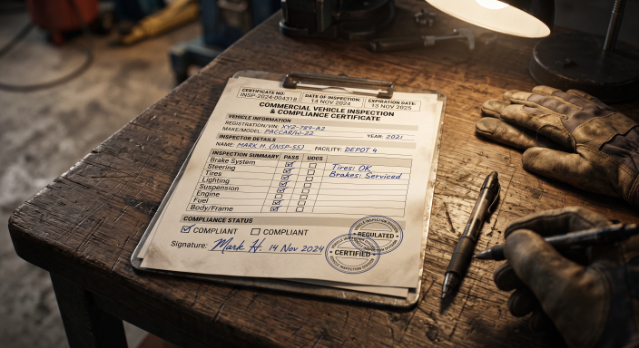
Before selling or passing a state inspection, ensure scheduled services are up to date, tires meet tread requirements, lights work and no major leaks or safety issues exist. A recent service record can speed the process and increase buyer confidence.
Final tips for consistent maintenance
- Set reminders tied to mileage or calendar dates for routine checks and services.
- Prioritize safety systems and tires—these most directly affect crash risk and handling.
- Use correct fluid types and replacement parts specified by the vehicle manufacturer.
Frequently asked questions
What are the most important car maintenance tips to follow?
The most important car maintenance tips are to monitor fluids and oil, maintain proper tire pressure and condition, keep brakes and lights in working order, and follow the manufacturer's service schedule. Address warning lights and unusual noises promptly.
How often should oil be changed?
Oil change intervals vary by vehicle and oil type. Follow the owner's manual; many modern cars use longer intervals (e.g., 5,000–10,000 miles) but driving conditions can require more frequent changes.
Can basic maintenance be done at home?
Many checks—fluid levels, tire pressure, bulb replacements and visual inspections—are suitable for a confident vehicle owner. Complex repairs and safety systems are best handled by certified technicians.
Where to find official maintenance recommendations?
Owner's manuals, state motor vehicle agencies and agencies such as the National Highway Traffic Safety Administration provide official guidance on vehicle maintenance, recalls and safety topics.