Essential Girls Ethnic Wear: Must-Have Outfits for Every Occasion
-
- February 23rd, 2026
- 1,808 views
Girls ethnic wear adds cultural style and comfort for celebrations, family gatherings, school functions and everyday life. Choosing timeless pieces—like kurtas, lehengas, anarkalis and indo-western sets—helps build a versatile wardrobe that suits different ages and occasions.
- Core items: kurta sets, lehenga cholis, anarkalis, salwar kameez and indo-western dresses.
- Pick fabrics and fits appropriate for age, climate and activity.
- Care and safety: follow label instructions and use age-appropriate accessories.
- Trust official guidance on textile safety and traditional craft preservation.
Essential girls ethnic wear pieces for occasions
1. Kurta and matching bottoms
Kurta sets are practical for everyday wear and semi-formal occasions. A straight kurta paired with leggings, churidar or palazzo pants offers comfort and movement for school events and family gatherings. For formal functions, choose kurtas with light embroidery, brocade panels or contrasting dupattas.
2. Lehenga choli and fusion skirts
Lehengas remain a classic choice for weddings and festivals. For younger children, lightweight cotton or silk blends with soft linings reduce bulk. Older girls may wear tiered or mirror-work lehengas. Fusion skirts paired with ethnic tops create a modern look suitable for parties and photo shoots.
3. Anarkali dresses
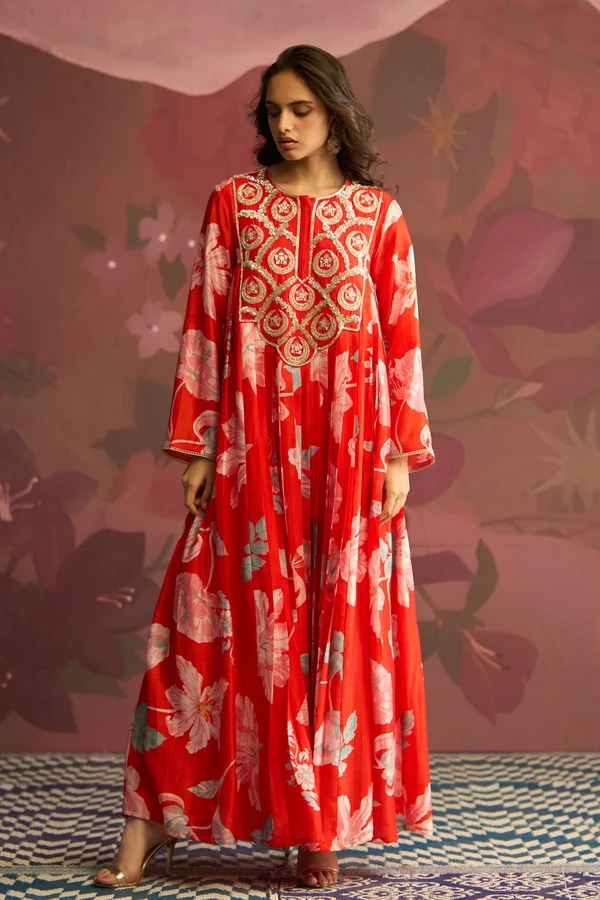
Anarkali silhouettes are flattering across ages and often used for formal events and religious ceremonies. Floor-length anarkalis in breathable fabrics like cotton-silk or georgette work well; shorter versions are appropriate for school functions or dance performances.
4. Salwar kameez and churidar sets
Salwar kameez remains a versatile staple, especially for colder months when paired with jackets or shawls. Churidars and patialas add traditional flair; choose elasticated waists for growing children for better fit longevity.
5. Indo-Western outfits
Indo-western dresses, dhoti pants with tunics or jacket-style tops combine comfort with contemporary style. These are useful for events where the dress code is semi-formal or creative, such as school cultural days.
Choosing fabrics, fit and finishes
Fabric considerations
Natural fibres—cotton, linen, mulmul, and silk blends—are breathable and often better for sensitive skin. Synthetic blends can provide shine and durability but may trap heat. For active children or summer events, prioritize lightweight and moisture-wicking fabrics.
Fit and sizing
Allow room for growth: adjustable waists, side slits in kurtas and stretchable leggings extend the usable life of garments. For formal outfits, try sizes that permit layering without restricting movement. Follow size charts from reputable sellers and measure chest, waist and height for the best fit.
Embellishments and safety
Embellishments—sequins, beads, mirrors and metalwork—add visual appeal but can snag or irritate skin. Check that trims are securely attached and not placed where children sit or play. Avoid long, loose tassels or heavy jewelry for toddlers to reduce choking and entanglement risks.
Styling tips for different occasions
Festivals and religious ceremonies
Bright colors, block prints, bandhani and light embroidery complement festive environments. Pair outfits with comfortable footwear and minimal, age-appropriate accessories. A dupatta pinned securely can complete the look without causing inconvenience.
Weddings and formal events
For weddings, choose richer fabrics like silk blends or fine brocade with subtle embellishments. Layering with jackets or capes adds sophistication. Consider travel and ceremony length when selecting heavier garments to keep comfort in mind.
School and cultural programs
Prioritize mobility and easy-care fabrics for school programs and performances. Coordinated sets that are machine-washable help manage time and maintenance. For dance or active events, avoid long trailing hems that may cause trips.
Care, maintenance and safety guidelines
Caring for ethnic garments
Follow garment labels: many embroidered or embellished pieces require gentle hand wash or delicate machine cycles and air drying away from direct sun to prevent color fading. Use mild detergents and test a small fabric area before stain removal treatments.
Storage and longevity
Store silk and delicate fabrics in breathable garment bags and avoid plastic for long-term storage. Use padded hangers for heavier garments and fold layered outfits with tissue to prevent creasing. Regular airing and occasional dry cleaning for heavy ceremonial wear can extend garment life.
Regulatory and safety resources
Guidance on textile safety, labelling and traditional craft support can be found through national textile authorities and training institutes. For official information about textile policies and programs that support craftspeople and fabric standards, refer to the Ministry of Textiles website: Ministry of Textiles.
Budgeting and where to buy
Building a core wardrobe
Start with versatile kurtas, a neutral-colored anarkali or skirt, one lehenga for major celebrations and a couple of indo-western sets for creative events. Prioritize quality for frequently worn items and reserve ornate pieces for special occasions.
Custom tailoring versus ready-to-wear
Custom tailoring ensures a better fit and can be useful for milestone events, while ready-to-wear options suit everyday needs and last-minute purchases. Compare fabrics and workmanship rather than just price to make cost-effective choices.
Shopping tips
Inspect seams and linings, check for secure embellishments, and confirm return or alteration policies. For heritage crafts, consider pieces made by certified artisans or community cooperatives to support traditional techniques.
Frequently Asked Questions
What are the essential girls ethnic wear items every wardrobe should include?
Core items include a comfortable kurta set, a formal anarkali or lehenga for celebrations, a salwar kameez or churidar for traditional days, and at least one indo-western outfit for semi-formal events.
How to choose the right fabric for girls ethnic wear?
Select breathable natural fabrics for daily wear and lighter blends for formal outfits; consider season, skin sensitivity and care requirements when choosing materials.
Can ethnic outfits be practical for active school events?
Yes. Choose shorter hemlines, stretchable bottoms, and minimal embellishments to balance traditional style with mobility and safety for school activities.
How should delicate ethnic garments be stored and cleaned?
Follow care labels: use gentle washing methods, air dry away from direct sun, store in breathable covers, and use padded hangers or tissue paper to protect embellishments.
Where can guidance on textile safety and traditional crafts be found?
Official guidance is available from national textile authorities and educational institutions that work on standards and artisan support programs.