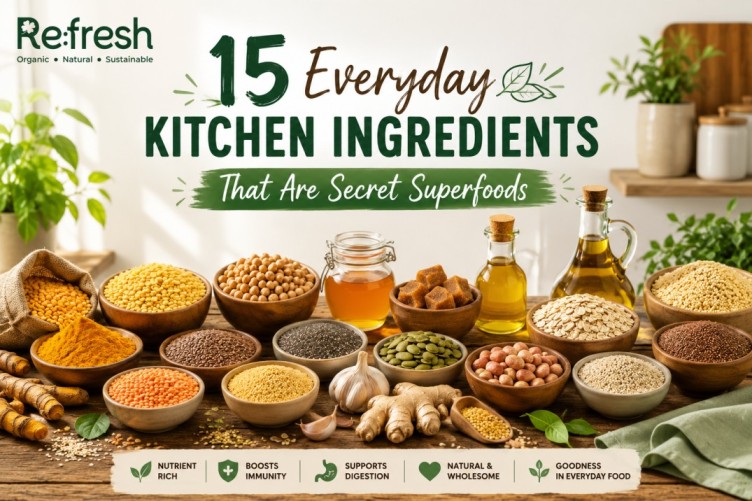
The Essential Guide to Nutrient-Rich Foods for Everyday Health
-

- February 23rd, 2026
- 1,618 views
The Essential Guide to Nutrient-Rich Foods for Everyday Health
Choosing nutrient-rich foods helps support energy, immune function, growth, and long-term health. This guide explains what nutrient-rich foods are, highlights top food sources of important vitamins and minerals, and offers practical tips for building balanced meals and shopping with nutrition in mind.
- Nutrient-rich foods provide vitamins, minerals, fiber, healthy fats, and quality protein relative to their calories.
- Include a variety of vegetables, fruits, whole grains, lean proteins, legumes, nuts, seeds, and low-fat dairy or fortified alternatives.
- Small changes—like swapping refined grains for whole grains or adding beans and leafy greens—can increase nutrient density.
Nutrient-rich foods: What to include and why they matter
Nutrient-rich foods are those that deliver high levels of essential nutrients—such as vitamins, minerals, fiber, and beneficial fats—relative to their calorie content. Prioritizing these foods supports macronutrient balance (carbohydrates, proteins, fats) and micronutrient adequacy (iron, calcium, vitamin D, B vitamins, vitamin C, potassium, and more). Public-health organizations including the World Health Organization (WHO) and national dietary guidelines emphasize variety and balance to meet nutrient needs across the lifespan.
Top categories of nutrient-rich foods
Vegetables and fruits
Dark leafy greens (spinach, kale, collards), cruciferous vegetables (broccoli, Brussels sprouts), and colorful fruits (berries, citrus, kiwi) are high in fiber, vitamins A and C, folate, potassium, and phytochemicals with antioxidant properties. Fresh, frozen, and canned (low-sodium or packed in water) options all contribute to nutrient intake.
Whole grains and high-fiber carbohydrates
Whole grains—such as brown rice, oats, quinoa, and whole-wheat products—provide complex carbohydrates, B vitamins, iron, magnesium, and fiber. Replacing refined grains with whole grains helps stabilize blood glucose and increases satiety.
Lean proteins, legumes, and plant-based options
Lean meats, poultry, fish, eggs, dairy, legumes (beans, lentils, chickpeas), tofu, and tempeh supply essential amino acids, iron, zinc, and B12 (from animal sources). Fatty fish like salmon and mackerel are good sources of omega-3 fatty acids, which support heart and brain health.
Nuts, seeds, and healthy fats
Nuts and seeds provide unsaturated fats, vitamin E, magnesium, and fiber. Use them as snacks or toppings to increase calories' nutrient density. Oils from plant sources (olive, canola) supply heart-healthy monounsaturated and polyunsaturated fats.
Dairy and fortified alternatives
Milk, yogurt, and cheese are sources of calcium, vitamin D (when fortified), and protein. Fortified plant-based milks and cereals can also help provide nutrients such as vitamin D, calcium, and B12 for those choosing dairy alternatives.
Food sources of key nutrients
- Iron: lean red meat, poultry, beans, lentils, tofu, spinach, fortified cereals.
- Calcium: dairy, fortified plant milks, tofu processed with calcium, leafy greens like kale.
- Vitamin D: fatty fish, fortified foods, and exposure to sunlight; many countries include guidance from health authorities on recommended intakes.
- Folate: legumes, leafy greens, citrus fruits, and fortified grain products.
- Fiber: whole fruits, vegetables, whole grains, legumes, nuts, and seeds.
- Omega-3 fatty acids: fatty fish, walnuts, chia and flax seeds, and algae-based supplements for plant-forward diets.
Building balanced plates and practical meal ideas
Simple plate approach
Aim to fill about half the plate with vegetables and fruits, one-quarter with lean protein or plant-based protein, and one-quarter with whole grains or starchy vegetables. Include a small portion of healthy fats and consider dairy or fortified alternatives as a side for calcium and vitamin D. Many national guidelines and tools, such as the U.S. Department of Agriculture's MyPlate, provide visual models for portion balance and variety: USDA MyPlate.
Meal and snack examples
- Breakfast: Oatmeal topped with berries, ground flaxseed, and a handful of nuts.
- Lunch: Mixed salad with leafy greens, chickpeas, roasted vegetables, quinoa, and a citrus vinaigrette.
- Dinner: Baked salmon, steamed broccoli, and a side of brown rice.
- Snacks: Yogurt with fruit, carrot sticks with hummus, or a small handful of mixed nuts.
Shopping and preparation strategies to maximize nutrient value
Choose minimally processed options
Whole foods tend to retain more vitamins, minerals, and fiber than heavily processed alternatives. When selecting packaged items, review ingredient lists for whole grains, minimal added sugars, and low sodium.
Storage and cooking tips
Store produce properly to preserve nutrients—refrigerate leafy greens and most berries, keep root vegetables in a cool, dark place. Use cooking methods that conserve vitamins and minerals, such as steaming, roasting, or sautéing rather than over-boiling. Incorporating raw and lightly cooked vegetables can diversify nutrient intake.
Reliable sources and evidence
National dietary guidelines, professional bodies such as the Academy of Nutrition and Dietetics, and academic centers like the Harvard T.H. Chan School of Public Health publish evidence-based recommendations for nutrient intake and healthy eating patterns. These resources emphasize variety, balance, and food-based approaches rather than reliance on single nutrients.
Frequently asked questions
What are the best nutrient-rich foods to eat daily?
Prioritize a variety of vegetables (especially dark leafy greens), fruits, whole grains, legumes, nuts and seeds, lean protein or plant-based protein, and dairy or fortified alternatives. Variety ensures coverage of different vitamins, minerals, fiber, and healthy fats.
How can nutrient-rich foods help with weight management and energy?
Nutrient-rich foods often provide more fiber, protein, and healthy fats that increase satiety, support steady energy, and reduce reliance on calorie-dense, low-nutrient options. Balanced meals that include vegetables, protein, and whole grains can support appetite control.
Are there affordable nutrient-rich foods for budget-conscious shoppers?
Yes. Frozen vegetables and fruits, canned beans and fish (in water), whole grains like oats and brown rice, eggs, and in-season produce are often economical sources of key nutrients. Planning meals and buying staples in bulk can lower costs.
How to assess if a product is truly nutrient-rich?
Compare nutrient content per serving and consider the whole food matrix: look for high fiber and protein relative to calories, minimal added sugars and sodium, and a list of recognizable ingredients. Fortified products can be useful for specific nutrients but should complement a varied diet.
What role do nutrient-rich foods play in chronic disease prevention?
Patterns that emphasize nutrient-rich foods—such as the Mediterranean or DASH-style diets—are linked in observational and clinical research to lower risks of heart disease, type 2 diabetes, and some cancers. Recommendations from health authorities focus on whole-food dietary patterns rather than single foods or supplements.
How can someone learn more about nutrient-rich foods and dietary patterns?
Trusted sources include national dietary guidelines, public-health organizations like the World Health Organization, and professional associations. These organizations provide practical guidance on balanced eating, portion sizes, and meeting nutrient needs across different life stages.