How Professional Event Management Turns Ideas into Successful Experiences
-

- September 14th, 2026
- 2,123 views
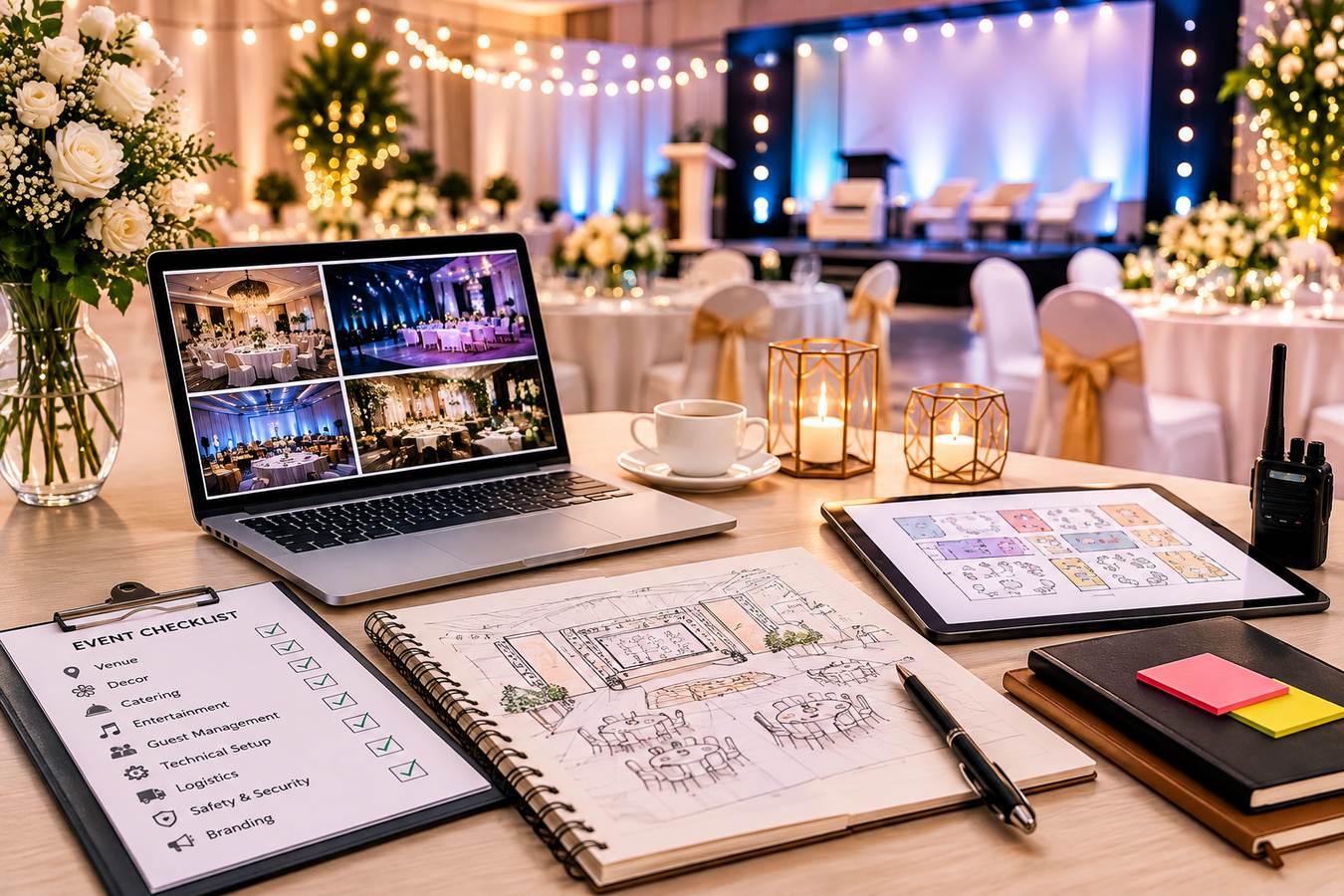
A successful event is rarely the result of a single decision. It comes from combining a clear concept with careful planning, efficient coordination and thoughtful execution. Whether the occasion is a business conference, exhibition, product launch, award function or private celebration, each stage requires attention to detail.
Professional event management provides a structured way to handle these responsibilities. It brings together creative planning, venue arrangements, supplier coordination, technical support, guest services and on-site management under one organised process.
Planning an Event from the Ground Up
The first stage of any event is understanding its purpose. An event designed for networking will require a different format from a product launch or an employee celebration. Once the objective is clear, decisions about the venue, schedule, audience and overall atmosphere become easier to make.
A detailed event plan normally includes timelines, responsibilities, supplier requirements and estimated costs. This provides a practical framework for the entire project and helps identify potential problems before they affect the event.
Building a Clear Event Concept
The concept gives an event its identity. It can influence everything from stage design and lighting to invitations, branding and entertainment.
For a corporate function, the concept may be based around the company's brand or a specific business objective. For social events, themes can be developed around colours, seasons, cultural elements or personal preferences.
A strong concept does not need to be complicated. It needs to be consistent and suitable for the audience.
Venue Selection and Event Logistics
Choosing a venue is one of the most important decisions in event planning. Capacity, location, accessibility, parking, facilities and technical infrastructure should all be assessed before finalising the space.
Logistics continue long after the venue has been selected. Seating plans, guest registration, catering schedules, equipment delivery, backstage movement and staff coordination all need to be organised.
Professional planning ensures that these elements are considered together rather than handled separately. This creates a smoother experience for both organisers and guests.
Creating an Engaging Event Environment
The atmosphere of an event can influence how guests perceive the entire experience. Lighting, furniture, stage design, décor, music and visual branding can be combined to create an environment that supports the event's purpose.
For business events, a clean and professional setup can reinforce brand identity. Social occasions may allow more creative freedom through themed décor, customised installations and entertainment.
The most effective designs balance appearance with practicality. Walkways should remain clear, seating should be comfortable and important information should be easy to find.
Managing Vendors and Service Providers
Events often involve several external suppliers. Caterers, decorators, photographers, entertainers, technical teams, transport providers and venue staff may all have separate schedules and requirements.
Coordinating these suppliers is an important part of event management. A central point of communication helps ensure that everyone understands arrival times, responsibilities and technical requirements.
CorpVenue takes an organised approach to event coordination, bringing different service requirements together so that planning and execution remain aligned.
Maintaining Quality During Execution
Planning provides the foundation, but on-site management determines how effectively that plan works in practice. Event teams need to monitor schedules, coordinate staff and respond quickly when unexpected issues occur.
For example, a delay in equipment delivery may affect a stage rehearsal, while a change in guest numbers could influence catering arrangements. Having an experienced team on-site makes it easier to manage such situations without disrupting the wider programme.
Technology and Modern Event Experiences
Technology has changed the way events are planned and delivered. Digital registration systems can simplify guest management, while LED screens, professional audio systems and interactive displays can improve presentations.
Virtual participation has also become an important option for conferences and business events. Live streaming and video conferencing can allow remote attendees to participate without being physically present.
Technology should always be selected according to the event's requirements. Reliable equipment, advance testing and technical support are essential for avoiding preventable disruptions.
Budgeting Without Compromising the Experience
An effective event budget should account for both expected and unexpected costs. Venue hire, catering, décor, entertainment, staffing, transportation and technical services can all contribute to the final expense.
Prioritising spending is important. Not every element needs the same level of investment. Resources should be directed towards areas that have the greatest impact on the event's objective and guest experience.
A contingency allowance can also provide flexibility when unexpected expenses arise during preparation or execution.
Why Professional Coordination Makes a Difference
Managing an event independently can become complicated when several suppliers, deadlines and responsibilities overlap. Professional event managers provide experience, established processes and practical coordination.
They can help identify suitable suppliers, create schedules, manage logistics and oversee the event on the day. This allows organisers to focus more closely on their guests, clients or business objectives.
A professional service should not simply manage individual tasks. It should connect those tasks into one coherent event plan.
Conclusion
Successful events depend on preparation, coordination and attention to detail. From developing the initial concept to managing suppliers and overseeing the final programme, every stage contributes to the overall experience.
Professional event management can make complex arrangements easier to control while helping maintain quality and consistency. With the right planning partner, an event can remain organised, purposeful and enjoyable from beginning to end. CorpVenue supports this approach by focusing on structured planning and coordinated event execution.
FAQs
1. What is professional event management?
It is the organised planning and execution of an event, including venue arrangements, suppliers, logistics, décor, technology, guest management and on-site coordination.
2. What types of events can be professionally managed?
Corporate conferences, exhibitions, product launches, award ceremonies, private celebrations, networking events and many other occasions can be professionally managed.
3. Why is vendor coordination important?
Coordinating vendors ensures that different suppliers follow compatible schedules and understand their responsibilities, reducing delays and confusion.
4. Does event management include budgeting?
Yes. Budget planning is an important part of event management and helps allocate resources across venues, catering, décor, technical services and other requirements.
5. What should be considered when planning an event?
The event objective, audience, venue, budget, schedule, logistics, suppliers, technical requirements, décor and guest experience should all be considered during planning.