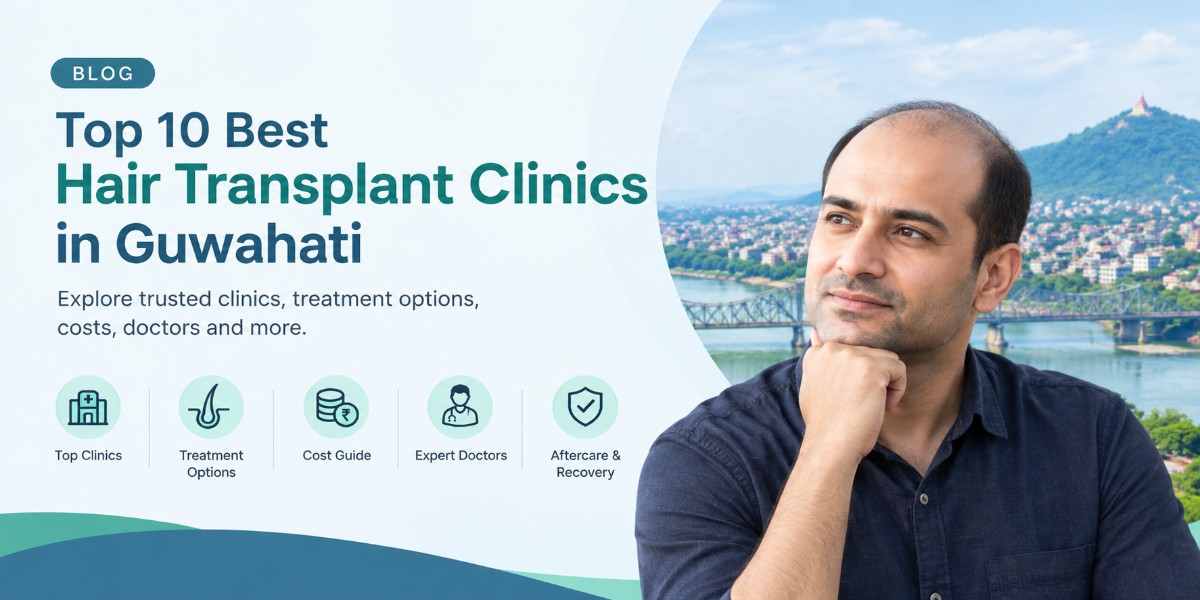
Essential Questions About Hair Transplants: What to Ask and Expect
-

- Published Updated
- 1,200 views
Introduction
Interest in hair transplants has grown as surgical techniques improve and public awareness increases. This article explains common questions about hair transplants, how different techniques work, typical recovery timelines, likely outcomes, risks, and points to discuss with a qualified clinician.
- Hair transplants move hair-bearing tissue from a donor area to thinning or bald areas.
- Main techniques include follicular unit extraction (FUE) and follicular unit transplantation (FUT).
- Candidacy depends on donor hair availability, hair loss pattern, general health, and realistic expectations.
- Recovery usually involves several days of limited activity and months for visible growth; risks include scarring and infection.
- Ask about surgeon credentials, expected graft counts, photo examples, and post-procedure care.
Hair transplants: Types, techniques, and how they work
Overview of the procedure
A hair transplant is a surgical procedure that relocates hair follicles from a donor area—commonly the back and sides of the scalp—to areas with thinning or absent hair. Grafts are harvested and implanted into recipient sites created by the surgeon. The goal is to achieve natural-looking density and hairline design while using the patient’s own hair follicles.
Common techniques
Main approaches include follicular unit extraction (FUE) and follicular unit transplantation (FUT). FUE removes individual follicular units using small punches, which can reduce linear scarring. FUT (strip harvesting) removes a strip of scalp from which follicular units are dissected, typically leaving a linear scar that can be concealed by surrounding hair. Choice of technique depends on hair characteristics, patient goals, and the surgeon’s assessment.
Other adjuncts and terminology
Terms often encountered include grafts (individual transplanted follicular units), density (hairs per square centimeter), and recipient site placement. Adjunct treatments such as platelet-rich plasma (PRP) or low-level laser therapy are sometimes discussed as support measures; effectiveness and indications are subjects of ongoing study and guidance from professional bodies such as the International Society of Hair Restoration Surgery (ISHRS) and dermatology associations.
Who is a candidate?
Factors that influence candidacy
Good candidates typically have sufficient donor hair, realistic expectations, and stable medical status. Pattern hair loss classification (for example, Norwood scale in men) and a clinical assessment of scalp laxity, hair caliber, and donor reserve are used to determine suitability. Age, underlying medical conditions, and medications are also considered during evaluation.
When surgery may not be recommended
Surgery may be deferred or discouraged when donor hair is inadequate, when hair loss is diffuse and uncontrolled, or if underlying scalp disease is active. Non-surgical options and referral to a dermatologist are common alternatives for some patients.
Preparing for the procedure and recovery expectations
Preoperative considerations
Preoperative evaluation typically includes medical history, scalp assessment, and discussion of goals. Clinicians may advise avoiding certain medications or supplements that affect bleeding. Clear instructions about travel, support at home, and time off work are commonly provided by surgical teams.
Typical recovery timeline
Immediate recovery includes swelling, crusting around grafts, and mild discomfort. Most people return to normal light activities within a few days but are advised to avoid strenuous exercise for one to several weeks. Transplanted hair often sheds in the weeks after surgery before new growth begins; visible improvement usually appears over several months and can continue up to a year or more.
Risks, outcomes, and how outcomes are measured
Common risks
Risks include infection, bleeding, scarring, uneven growth, shock loss (temporary loss of native hair), and unsatisfactory aesthetic results. Long-term maintenance and realistic expectations are important; success depends on donor hair quality and surgical planning.
Measuring success
Outcomes are assessed by graft survival, density, hair direction and naturalness, patient satisfaction, and the need for additional sessions. Published guidance from professional societies and peer-reviewed studies can inform projected outcomes and complication rates.
Cost, regulation, and choosing a clinician
Cost factors
Costs vary by geography, technique, graft count, and clinic. Pricing may be quoted per graft or as a package for a session. Insurance rarely covers elective hair restoration, so financial planning is often required.
Credentials and regulation
Healthcare regulation and credentials differ by country. Look for clinicians with relevant surgical or dermatologic training and membership in recognized professional organizations. The U.S. Food and Drug Administration (FDA) regulates specific devices and graft handling methods, while professional groups publish practice guidelines and safety recommendations.
For patient-facing educational resources and general guidance on hair loss and treatment options, see the American Academy of Dermatology: https://www.aad.org.
Questions to ask before scheduling a hair transplant
Suggested questions
- What are the clinician’s qualifications and experience with the selected technique?
- Can the clinician provide before-and-after photos of similar cases?
- How many grafts are recommended and what are realistic expectations?
- What are the possible complications and how are they managed?
- What is the full cost, including follow-up visits and potential revision procedures?
FAQ
How do hair transplants work?
Hair transplants relocate follicular units from a donor site to thinning areas. The body’s hair growth cycle means transplanted follicles may shed before entering a growth phase; new hair generally appears gradually over months.
Who is not a good candidate for a hair transplant?
People with insufficient donor hair, active scalp disease, unrealistic expectations, or untreated medical conditions may be advised against surgery. A clinical consultation helps determine appropriateness.
How long does recovery take after a hair transplant?
Initial healing is days to weeks; visible new growth typically appears over three to twelve months. Activity restrictions and wound care instructions are provided by the surgical team to support healing.
Will a hair transplant look natural?
Natural results depend on planning, graft placement, and the surgeon’s skill. Hairline design, angle of implantation, and use of appropriate graft sizes contribute to a natural appearance.
Are hair transplants permanent?
Transplanted follicles from permanent donor zones often continue to grow long term, but ongoing hair loss in non-transplanted areas may require additional treatment or sessions. Long-term maintenance may be discussed with a clinician.
What are typical costs and financing options?
Costs vary widely; clinics may offer financing, payment plans, or packages. It is important to obtain detailed written estimates and ask about follow-up or revision fees.
How to verify claims and evidence about hair transplant techniques?
Review peer-reviewed studies, professional society guidance (ISHRS, dermatology associations), and regulatory information from national health authorities for evidence on techniques, safety, and outcomes.
If considering a hair transplant, schedule a consultation with a qualified clinician to review individual factors, documented outcomes, and the full range of options for hair restoration.
Related Articles