What Makes an Exhibition Stand Effective at Dubai Trade Shows?
-
- Published Updated
- 92 views
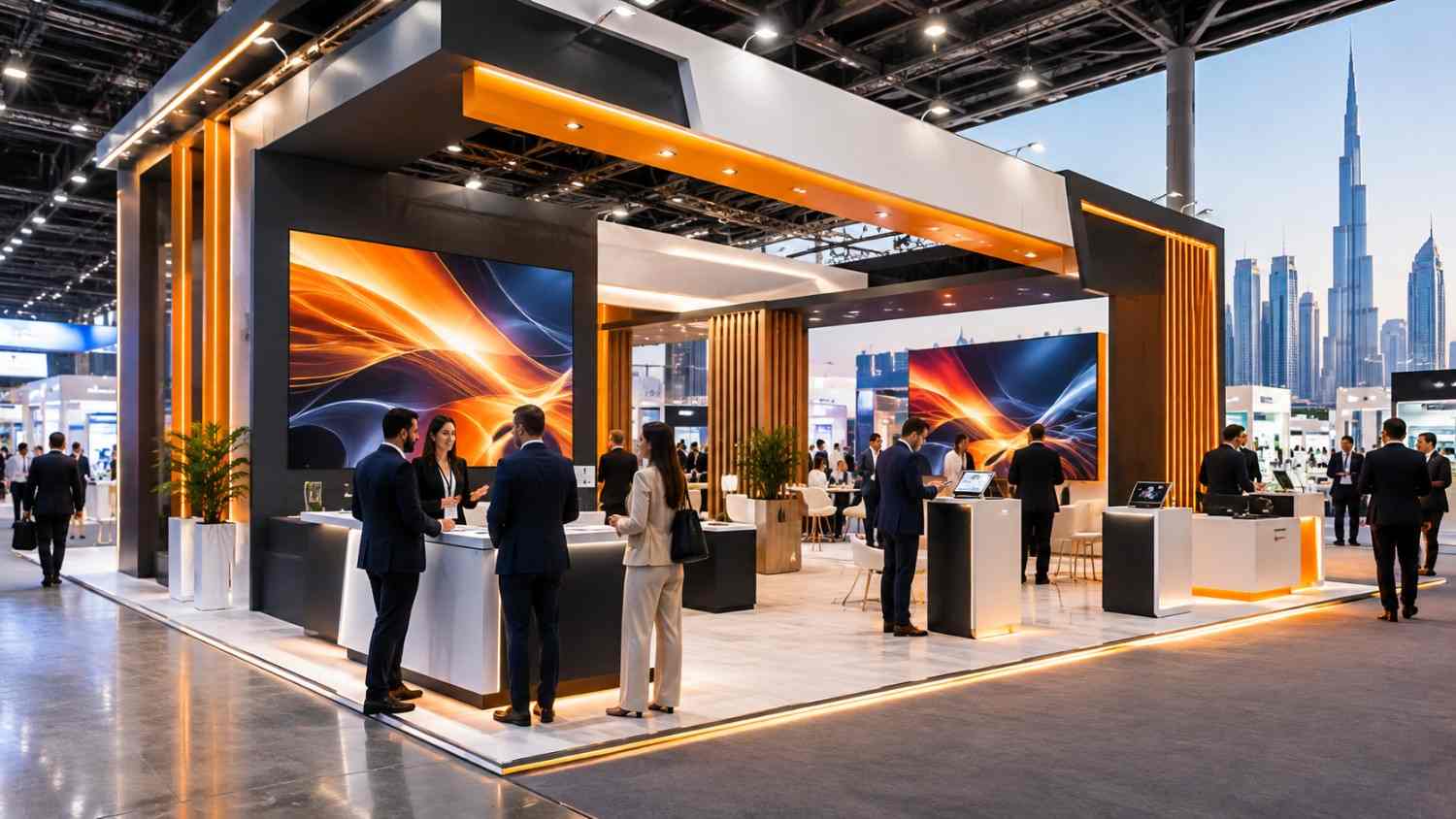
Dubai has become a major destination for international exhibitions, trade shows, conferences, and business events. Every year, brands from different industries come together to introduce products, meet potential customers, build partnerships, and strengthen their market presence.
With so many exhibitors competing for attention, simply having a booth at an exhibition is not enough. An effective exhibition stand needs to attract visitors, communicate the brand clearly, provide a comfortable environment for conversations, and support the company's objectives throughout the event.
A successful stand is not necessarily the biggest or most expensive one in the exhibition hall. Its effectiveness depends on how well its design, layout, branding, functionality, and visitor experience work together.
1. A Clear and Recognisable Brand Presence
Visitors often walk past several exhibition stands within a short period. A brand therefore needs to be recognisable from a reasonable distance.
The company name, logo, main message, and visual identity should have a clear hierarchy. If a stand contains too much text or too many unrelated graphics, visitors may struggle to understand what the company offers.
A strong exhibition stand should communicate the basics quickly:
Who the company is
What it offers
What makes it relevant
Why a visitor should stop
Instead of displaying every piece of company information, exhibitors should focus on the messages that matter most to their target audience.
2. An Open and Practical Layout
The layout of an exhibition stand has a direct effect on how visitors interact with it.
An effective layout should make it easy for people to enter, move around, view products, and speak with representatives. Reception areas, product displays, demonstration zones, meeting spaces, and storage should all have a logical place within the available area.
Open layouts can make a stand feel more approachable, while dedicated zones can help organise different activities.
The type of stand also influences the layout. An island stand, for example, offers access from multiple sides, while an inline stand has more limited access. Understanding these differences during the planning stage can help exhibitors make better use of their allocated space.
3. Strong Visual Communication
Visual elements are one of the first things visitors notice.
Large graphics, brand colours, illuminated signs, product displays, architectural features, and carefully positioned messaging can help a stand attract attention. However, effective visual communication is not about adding as many elements as possible.
The design should remain clean and easy to understand.
Important messages should be visible from the aisle, while detailed information can be presented inside the stand through brochures, digital displays, demonstrations, or conversations with the exhibition team.
A clear visual hierarchy allows visitors to understand the brand without having to spend too much time reading.
4. Lighting That Supports the Stand Design
Lighting can change the appearance and atmosphere of an exhibition stand considerably.
It can be used to highlight products, graphics, reception counters, meeting areas, and architectural details. Well-positioned lighting can also make important elements more visible from the exhibition aisle.
Different areas may require different lighting approaches. A product display might need focused lighting, while a meeting area may benefit from softer illumination.
The important point is that lighting should support the overall design rather than becoming a distraction.
5. Interactive Visitor Experiences
Modern exhibitions are increasingly focused on visitor interaction.
Depending on the industry, exhibitors can use:
Touchscreens
Product demonstrations
Digital presentations
QR codes
Interactive displays
Virtual product tours
Live demonstrations
Technology can be useful when it serves a clear purpose. For example, an interactive display may help visitors understand a complex product more quickly than a printed brochure.
However, technology should not be included simply because it looks impressive. Every interactive feature should contribute to the visitor experience or help the exhibitor achieve a specific objective.
6. Designing for the Target Audience
An exhibition stand should be designed around the people who are expected to visit the event.
A technology company may need demonstration areas and interactive displays, while a manufacturing business may require space for product samples and technical discussions. A consumer brand may need a more open and experience-focused environment.
Before finalising a stand concept, exhibitors should consider:
Who is attending the exhibition?
What are visitors looking for?
What problems does the product or service solve?
What questions might visitors have?
What action should visitors take after the interaction?
Answering these questions can help create a stand that is not only visually appealing but also useful to the intended audience.
7. Comfortable Meeting Areas
Trade shows provide valuable opportunities for face-to-face business discussions.
Potential customers, distributors, suppliers, investors, and business partners may visit the stand throughout the event. Having an appropriate area for conversations can make these interactions more comfortable and professional.
Depending on the available space, exhibitors can include informal seating areas, meeting tables, private meeting rooms, or semi-private discussion zones.
The meeting area should remain connected to the main stand while providing enough separation for meaningful conversations.
8. Quality Construction and Finishing
A good concept needs equally good execution.
Poorly fitted panels, uneven surfaces, loose graphics, exposed cables, or damaged components can negatively affect the overall appearance of a stand. Clean fabrication and professional finishing, on the other hand, help create a more polished presentation.
Working with experienced Exhibition Stand Builders in Dubai can help exhibitors manage different stages of the project, from design and fabrication to installation and dismantling.
The construction process should also consider the practical requirements of the exhibition venue, available build-up time, materials, lighting, electrical requirements, and other technical details.
9. Considering the Exhibition Venue
The venue is another important part of exhibition planning.
Dubai hosts exhibitions at several major venues, and each location may have specific access procedures, installation schedules, technical requirements, and operational guidelines.
A stand should therefore be planned according to the actual venue and event requirements.
Factors such as stand dimensions, visitor access, electrical connections, storage, lighting, hanging elements, loading access, and installation timelines may need to be considered before fabrication begins.
Early planning can reduce last-minute issues and make the build-up process more organised.
10. Making the Stand Easy to Navigate
A crowded stand can make visitors feel uncomfortable and may discourage them from entering.
Good exhibition design considers visitor movement from the beginning. People should be able to enter without obstruction, move towards displays, find information, and reach representatives without confusion.
Different areas should have a clear purpose. Product demonstrations, reception, meeting areas, and displays should not interfere with one another.
A well-planned visitor journey can encourage people to spend more time at the stand.
Conclusion
An effective exhibition stand brings together several elements rather than relying on appearance alone. Clear branding, practical layouts, quality construction, suitable lighting, interactive experiences, comfortable meeting areas, and proper planning all contribute to a stronger exhibition presence.
For Dubai trade shows, exhibitors should also consider the specific venue, event requirements, target audience, installation schedule, and objectives before finalising their stand.
A well-designed stand should make it easy for visitors to understand the brand, explore its offering, start conversations, and remember the company after the event.
For exhibitors planning their next event in Dubai, House of Exhibitions offers exhibition stand design, fabrication, installation, and dismantling solutions for different exhibition requirements across Dubai and the UAE.