Expressway Liability Insurance: Coverage, Limits, and Risk Factors
-
- February 23rd, 2026
- 1,409 views

FREE SEO Topical Map Generator: Find Your Next Content Ideas
Liability Insurance Near Expressway often raises different considerations than urban or low-speed driving because higher speeds, traffic density, and limited access affect both the likelihood and severity of incidents. This guide outlines the common coverage elements, how insurers assess expressway risk, and practical information for comparing limits and policy features.
- Expressway driving typically increases exposure to high-severity collisions, which can affect liability limits and premiums.
- Liability policies usually cover bodily injury and property damage to third parties; minimum state limits may be insufficient for expressway crashes.
- Insurers evaluate speed, traffic volume, vehicle type, and driving history when pricing coverage for expressway exposure.
- State insurance departments and national regulators provide consumer information and complaint processes.
Why expressway driving affects liability risk
Speed and crash severity
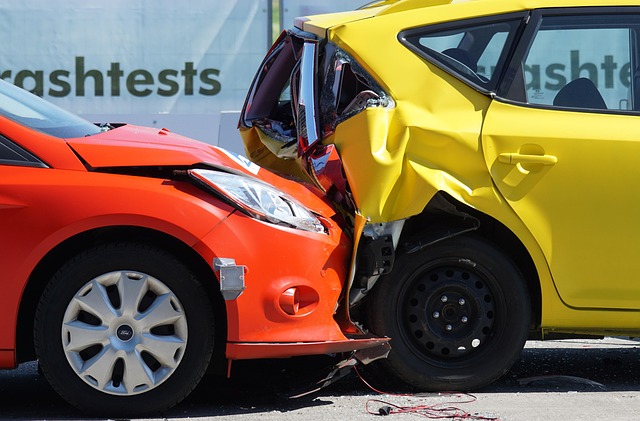
Higher travel speeds on expressways increase kinetic energy in a collision, which tends to raise the likelihood of severe injury and extensive property damage. That increases potential third-party liability amounts an insurer may need to pay on a claim.
Traffic density and multi-vehicle incidents
Congested expressways can produce chain-reaction collisions involving multiple vehicles. Complex fault allocation and higher combined damages can influence both claims handling and available coverage limits.
Liability Insurance Near Expressway: Coverage basics
Bodily injury and property damage coverage
Liability insurance is typically divided into bodily injury (BI) and property damage (PD) components. BI covers medical expenses, lost income, and legal costs for third parties when the insured is at fault. PD covers repair or replacement of third-party property, such as vehicles and roadside structures.
Policy limits and what they mean
Limits are often shown as split amounts (for example, 50/100/25 represents $50,000 per person BI, $100,000 per accident BI, and $25,000 PD). Minimum state-required limits vary; these amounts may not cover high-severity expressway crashes, leading to potential out-of-pocket exposure for the policyholder.
How insurers assess expressway risk
Driver and vehicle factors
Underwriting typically considers driving record, age, vehicle type, mileage, and the primary use of the vehicle (commuting, commercial, or personal). Frequent expressway driving or long-distance commuting can increase perceived risk.
Location and traffic patterns
Insurers use geographic data, local traffic statistics, and crash history on particular corridors to estimate exposure. Areas with higher expressway congestion or known hazards may attract higher premiums or different underwriting terms.
Limits, endorsements, and related coverages
Choosing higher liability limits
Higher BI and PD limits reduce the chance of personal liability if damages exceed the policy cap. For expressway exposure, higher limits are often recommended by risk managers because of the potential for large claims, though this is informational and not financial advice.
Supplemental and optional coverages
Endorsements such as uninsured/underinsured motorist (UM/UIM) coverage, medical payments (MedPay), and legal expense coverage can affect post-accident outcomes. Commercial fleets should review hired and non-owned auto coverage when employees drive on expressways.
Claims handling and evidence on expressways
Immediate steps after an incident
Documenting the scene, obtaining witness contact information, and securing a police report are important for claim evaluation. Dashcam footage and vehicle telematics often provide valuable objective evidence about speed, direction, and timing.
Fault determination and complex claims
Expressway incidents may involve multiple parties and shared fault. Insurers and adjusters use police reports, physical evidence, and traffic investigations to allocate responsibility and determine payments under liability coverage.
Authorities, regulations, and resources
Regulatory and safety organizations
State insurance departments regulate consumer protections and licensing for insurers. Road safety and traffic data are available from agencies such as the Federal Highway Administration and state departments of transportation, which publish crash statistics and roadway safety guidelines.
For consumer-oriented insurance information and regulatory guidance, see the National Association of Insurance Commissioners: National Association of Insurance Commissioners.
Frequently Asked Questions
Does liability insurance near expressway need higher limits?
Higher limits are often considered when driving frequently on expressways because collisions at higher speeds can produce greater medical and property damage costs. State minimums may not cover severe losses in multi-vehicle or high-speed crashes.
How do insurers price coverage for expressway exposure?
Pricing reflects underwriting factors such as driving history, vehicle type, annual mileage, commute routes, and local crash data. Telematics and claim history can also influence premium adjustments over time.
What should be documented after an expressway crash?
Essential items include a police report, photographs of vehicles and the scene, witness contact information, dashcam or telematics records, and medical documentation. These materials assist claims evaluators in reconstructing events and determining liability.
Are commercial fleets treated differently on expressways?
Commercial policies typically include specific endorsements and broader liability exposure. Fleet underwriters assess driver training, maintenance programs, hours of service, and route patterns when evaluating expressway risk.
Where to find official guidance on insurance requirements?
State insurance department websites provide details on minimum liability requirements, complaint procedures, and consumer protections. The National Association of Insurance Commissioners also offers resources and model regulations for additional context.