Facelift Surgery Guide: Techniques, Risks, Recovery, and Costs
-
- February 23rd, 2026
- 1,371 views

FREE SEO Topical Map Generator: Find Your Next Content Ideas
Facelift surgery is a common cosmetic procedure aimed at reducing visible signs of aging in the face and neck. This guide explains typical techniques, candidate considerations, the perioperative process, recovery timelines, potential complications, and cost factors to help readers make informed decisions.
Facelift surgery (rhytidectomy) can tighten skin and reposition deeper tissues to address sagging, jowls, and neck laxity. Procedure types vary from limited incisions to extensive SMAS or deep-plane techniques. Important factors include surgeon board certification, realistic expectations, recovery planning, and awareness of risks such as nerve injury or hematoma.
Facelift Surgery: Overview
What a facelift aims to treat
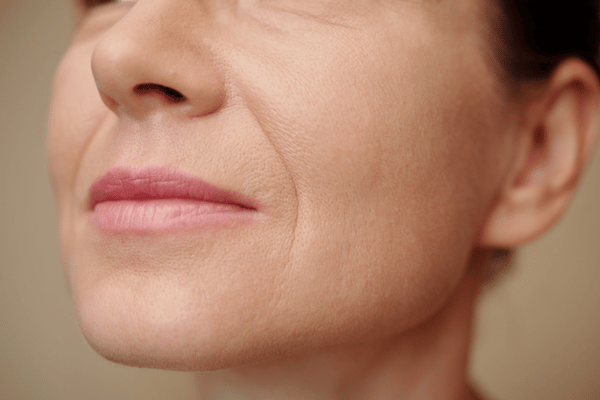
Facelift surgery addresses age-related changes such as loose skin, prominent jowls, loss of jawline definition, and excess neck skin. Techniques focus on the skin and deeper layers—often the superficial musculoaponeurotic system (SMAS)—to achieve longer-lasting results than skin-only procedures.
Common procedure names and techniques
Terms used by surgeons include rhytidectomy, SMAS lift, deep-plane facelift, mini-lift, and neck lift. Each technique differs in incision placement, how deep tissues are adjusted, and the expected recovery. Choice of technique depends on anatomy, aging pattern, and the surgeon’s assessment.
Who may be a candidate
General candidate considerations
Potential candidates are typically adults with moderate to significant facial or neck laxity who are in generally good health. Individual factors such as smoking status, medical conditions, and skin quality influence candidacy and timing.
Age and realistic expectations
Chronological age is less important than tissue condition and goals. Most candidates seek improvement rather than perfection; discussing realistic outcomes with a qualified surgeon is essential.
Choosing a surgeon and evaluating credentials
Board certification and professional oversight
Selection criteria should include a surgeon’s board certification in plastic surgery, hospital privileges for the planned procedure, and familiarity with facial anatomy. Checking state medical board records for disciplinary history and reviewing before-and-after photos can help assess experience.
Second opinions and consultations
Consultations permit discussion of technique options, anesthesia plans, expected recovery, and complication rates. Surgeons typically review medical history, take photographs, and explain preoperative instructions.
Preparing for the procedure
Preoperative steps
Preparation includes medical clearance, smoking cessation, adjustment of certain medications or supplements, and arranging for postoperative care and time off work. Clear communication with the surgical team about medications and allergies is important.
Anesthesia options
Facelifts are commonly performed under general anesthesia or deep sedation depending on case complexity and patient factors. An anesthesiologist or certified provider will discuss options and monitoring.
What to expect during and after surgery
Operative course
Operative time varies by technique, commonly ranging from one to four hours. Incisions are often placed around the ear and into the hairline to conceal scars. The surgeon may place drains or sutures that require removal or follow-up.
Recovery timeline
Initial recovery usually includes swelling and bruising that peak in the first week and gradually improve over several weeks. Many patients return to non-strenuous work within 2–2 weeks, with visible refinement continuing over 3–6 months. Final results may settle over 6‒12 months.
Risks, complications, and safety considerations
Possible complications
Potential complications include bleeding or hematoma, infection, wound-healing issues, sensory changes, scarring, and temporary or rarely permanent facial nerve injury. Risk factors such as smoking, uncontrolled medical conditions, and certain medications can increase complication rates.
Reducing risk
Risk reduction strategies include choosing a qualified surgeon, following pre- and postoperative instructions, optimizing medical conditions with primary care input, and avoiding smoking for an appropriate period before and after surgery.
Costs and insurance considerations
Typical cost factors
Cost depends on surgeon fees, facility fees, anesthesia, extent of surgery, geographic location, and any adjunctive procedures (e.g., eyelid surgery or fat grafting). Cosmetic procedures are usually not covered by health insurance unless performed for reconstructive reasons.
Financing and consultations
Many practices provide itemized estimates and discuss financing or payment plans. Comparing detailed quotes and ensuring clarity on follow-up care and additional charges helps avoid surprises.
Questions to ask during a consultation
- What is the surgeon’s board certification and experience with the recommended technique?
- Where will the procedure be performed and who will provide anesthesia?
- What are the expected benefits, limitations, and likely recovery timeline?
- How are complications handled and what follow-up is included?
Further reading and trusted resources
Professional organizations provide patient information and guidance for choosing a surgeon. See the American Society of Plastic Surgeons for general resources and questions to ask a surgeon: American Society of Plastic Surgeons. References from peer-reviewed plastic surgery literature and national health services can offer additional clinical context.
FAQ
What is facelift surgery and who is a candidate?
Facelift surgery (rhytidectomy) is a set of procedures designed to improve facial and neck contours by addressing skin laxity and repositioning deeper tissues. Suitable candidates are adults with sufficient tissue laxity who are in good overall health and have realistic expectations. Smoking and uncontrolled medical conditions may affect candidacy.
How long does recovery typically take after a facelift?
Recovery timelines vary. Initial swelling and bruising usually improve within 2–4 weeks. Most people return to routine non-strenuous activities within 2–2 weeks, but full healing and final results can take several months.
What are the main risks of a facelift?
Main risks include bleeding or hematoma, infection, wound-healing problems, sensory changes, scarring, and rare nerve injury. Discuss individual risk factors with a qualified surgeon during consultation.
Will a facelift stop the aging process?
A facelift can produce a lasting improvement but does not stop future aging. Lifestyle factors, sun protection, and skin care influence long-term outcomes. Periodic follow-up with a provider can help manage expectations and any additional needs.