Stem Cell Hair Transplant in Riyadh: FAQs, Costs, Risks and a Practical Checklist
-

- March 06th, 2026
- 472 views

Get a free topical map and start building content authority today.
Overview
The term "stem cell hair transplant in Riyadh" describes regenerative hair restoration procedures offered in Saudi Arabia's capital that use cellular therapies or stem-cell–enriched grafts to improve hair density and healing. This FAQ-style guide explains what the treatment means, who is an appropriate candidate, typical steps and recovery expectations, and practical considerations when exploring clinics in Riyadh.
- Stem cell–based hair procedures aim to improve transplant outcomes and promote regeneration, but approaches vary widely.
- Ideal candidates are adults with stable androgenetic alopecia, sufficient donor hair, and realistic expectations.
- Costs, regulation, and technique differ by clinic; verify credentials and request before/after documentation.
Detected intent: Informational
Related keywords: stem cell hair restoration Riyadh cost; autologous stem cell hair transplant Saudi Arabia; best clinics for hair transplant Riyadh
Stem Cell Hair Transplant in Riyadh: What it Means
Facilities may use the phrase "stem cell hair transplant" to describe one of several approaches: isolated stem cell injections, platelet-rich plasma (PRP) combined with hair transplantation, or harvesting and concentrating autologous cells from fat (stromal vascular fraction) to enhance graft survival. These techniques are adjuncts to hair transplant surgery rather than fully standalone, standardized treatments.
How the procedure typically works
Standard steps
- Consultation and hair evaluation, including donor-area assessment and scalp mapping.
- Hair transplant (FUE or FUT) when indicated; stem cell–enriched injections may be applied to recipient sites or mixed with grafts.
- Postoperative care with topical or oral medications and follow-up visits to monitor graft take and healing.
Clinical variations and related terms
Expect variation across clinics: terms like "stem cell-enriched grafts," "SVF (stromal vascular fraction) injections," and "PRP with stem cells" are common. Verify whether the approach uses autologous cells (from the patient) or experimental cultured stem cell products.
Candidacy, benefits, and risks
Appropriate candidates are generally adults with pattern hair loss, sufficient donor hair density, and no active scalp disease. Potential benefits include improved graft survival and faster healing; however, outcomes depend on technique, surgeon skill, and individual biology. Risks include infection, poor graft take, scarring, and unproven long-term effectiveness if nonstandard cell products are used.
Regulation and safety
Regulatory oversight for advanced cellular therapies varies. It is important to confirm that the clinic follows recognized surgical standards and local regulations. For general guidance on surgical safety and practice standards, see the professional guidance from recognized organizations such as the International Society of Hair Restoration Surgery: International Society of Hair Restoration Surgery.
Costs, timeline and expectations
Costs in Riyadh vary widely depending on technique, clinic reputation, and whether stem cell processing is included. Typical ranges can extend from modest add-on fees for PRP to substantially higher prices for specialized cell processing. Recovery usually involves several days of limited activity, with most visible improvement taking months and final density appearing up to 12–18 months after surgery.
PREP-CARE checklist (named checklist)
Use the 5-point PREP-CARE checklist before committing to a procedure:
- Proven credentials: Verify surgeon training, board affiliations, and clinic licenses.
- References and results: Ask for case studies and patient follow-up images taken at 12 months.
- Exact technique disclosure: Request a written summary of the technique, cell-processing steps, and whether autologous material is used.
- Prisks and alternatives: Ensure informed consent includes standard hair transplant options and non-surgical alternatives.
- CARE follow-up plan: Confirm postoperative visits, complications protocol, and access to emergency contact.
Practical tips before booking in Riyadh
- Bring a clear chronology of hair loss and previous treatments to the consultation.
- Request documented outcomes from patients with similar hair type and loss pattern.
- Confirm whether cell processing is done on-site under sterile conditions and ask about lab certifications.
- Plan for multiple follow-up visits spanning at least 12 months to assess final results.
Common mistakes and trade-offs
Common mistakes include choosing a clinic based only on marketing claims, expecting immediate density gains, or opting for an unverified experimental product to cut costs. Trade-offs often involve paying more for clinics with documented experience and accredited labs versus lower-priced centers with limited evidence. Balancing cost, credentials, and documented outcomes is essential.
Short real-world example
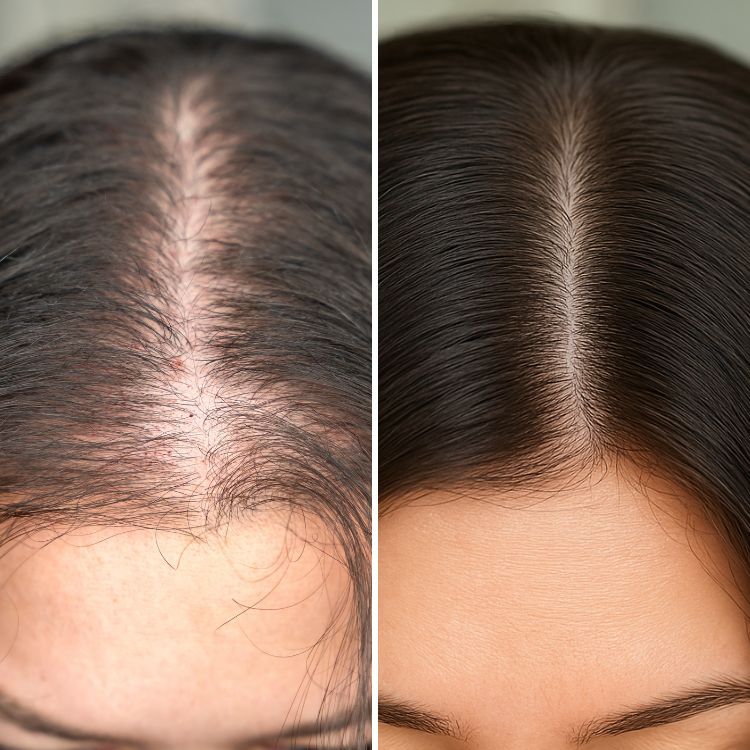
Scenario: A 35-year-old man with Norwood III hair loss consults a Riyadh clinic. After donor assessment, the surgeon recommends FUE with adjunct autologous stromal vascular fraction injections to the recipient sites. The patient follows the PREP-CARE checklist, verifies credentials, and schedules a conservative plan. At 12 months the patient shows improved graft density compared with prior non-surgical attempts; follow-up revealed no complications and documented photos show progressive improvement between months 6 and 12.
Core cluster questions (for internal linking)
- What are the different stem cell techniques used in hair restoration?
- How does autologous stromal vascular fraction compare with PRP for hair loss?
- What should be included in a hair transplant consultation checklist?
- How to verify a hair transplant clinic's laboratory and sterile processing?
- What are realistic timelines for hair growth after transplant procedures?
FAQ
What is a stem cell hair transplant in Riyadh and how does it differ from a standard transplant?
"Stem cell hair transplant in Riyadh" typically describes a standard hair-transplant procedure (FUE or FUT) performed together with cellular therapies such as PRP, stromal vascular fraction, or concentrated autologous cells intended to boost healing and graft survival. The core transplant mechanics remain the same; the stem-cell component is an adjunct, not a universally standardized replacement.
Who is a good candidate for stem cell–enhanced hair restoration?
Good candidates are adults with stabilized pattern hair loss, adequate donor hair, and no uncontrolled medical conditions. Those with scarring alopecia or active scalp disease require specialist evaluation before any transplant or cellular therapy.
How much does stem cell hair restoration in Riyadh usually cost?
Costs vary by technique and clinic. Add-on treatments like PRP are relatively low-cost, while autologous cell processing can increase fees significantly. Request an itemized quote that separates surgical fees, anesthesia, and cell-processing charges.
Are there risks or long-term safety concerns?
Short-term surgical risks include infection, bleeding, and poor graft take. Long-term safety depends on the exact cell product used. Autologous treatments generally have lower immunologic risk, but cultured or experimental products may carry unknown long-term considerations. Verify that the clinic adheres to local regulations and that the product has a documented safety profile.
How to choose a reputable clinic in Riyadh?
Prioritize board-certified surgeons, documented 12-month results, lab accreditation for cell processing, transparent pricing, and clear postoperative follow-up. Use the PREP-CARE checklist above to structure evaluations and decisions.
Where can more authoritative professional guidance be found?
Professional societies that publish practice guidelines and patient safety recommendations include recognized international organizations such as the International Society of Hair Restoration Surgery: International Society of Hair Restoration Surgery.