How to Build a Strong Fashion Design Portfolio
-
- Published Updated
- 5,979 views
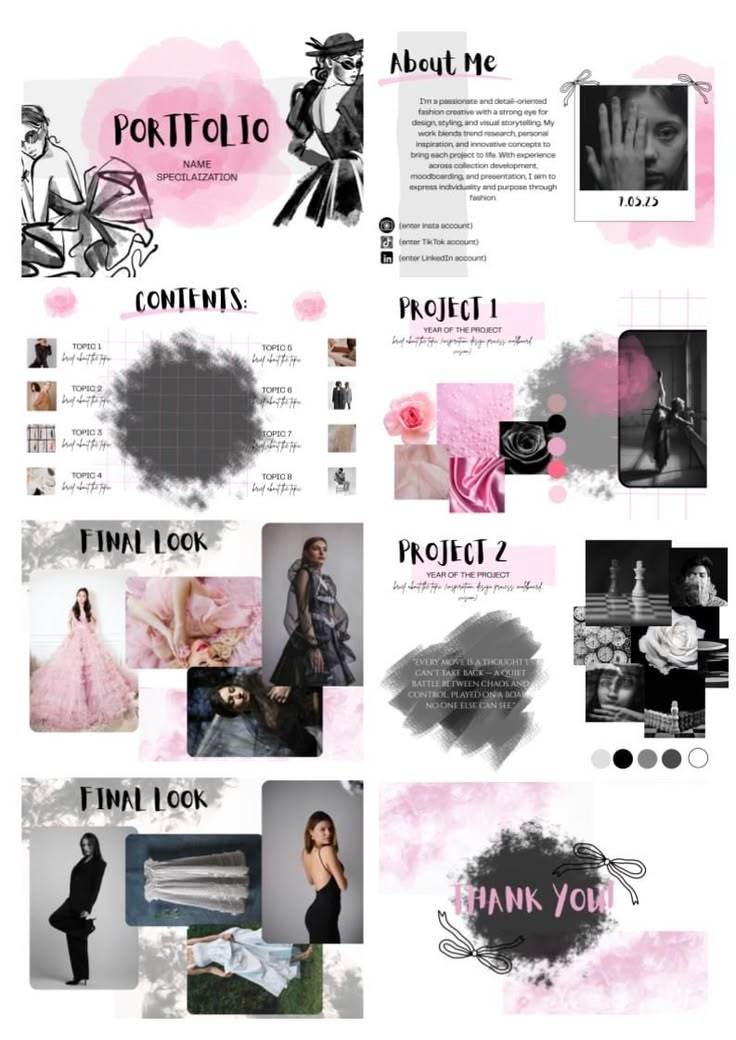
A fashion design portfolio is one of the most valuable assets for aspiring fashion designers. It serves as a visual representation of your creativity, technical skills, design process, and professional potential. Whether you are applying to a fashion design institute, seeking an internship, or preparing for a career in the fashion industry, a strong portfolio can help you make a lasting impression. In today's competitive fashion world, having a well-organized and visually appealing portfolio is essential for standing out from the crowd.
Understand the Purpose of a Fashion Design Portfolio
Before creating a portfolio, it is important to understand its purpose. A fashion design portfolio is not just a collection of sketches; it is a comprehensive showcase of your design journey. It demonstrates your ability to research, conceptualize, develop, and execute creative ideas. Recruiters, institutes, and employers use portfolios to evaluate your design thinking, technical knowledge, and unique style.
A well-crafted portfolio highlights your strengths and communicates your passion for fashion. It should tell a story about who you are as a designer and what inspires your work.
Include Your Best Work
Quality is always more important than quantity. Select projects that best represent your creativity and technical abilities. Avoid including every piece of work you have ever created. Instead, choose designs that showcase different skills and styles.
Your portfolio can include:
Fashion illustrations
Garment sketches
Mood boards
Textile and fabric experiments
Technical drawings
Pattern-making samples
Final garment photographs
Digital fashion designs
Each project should demonstrate a clear concept and professional presentation.
Showcase Your Design Process
Fashion design is not only about the final outcome. Employers and design institutes are interested in understanding how you develop your ideas. Include the various stages of your design process to provide insight into your creativity and problem-solving skills.
You can showcase:
Inspiration sources
Trend research
Color palettes
Fabric selection
Concept development
Design iterations
Final execution
By presenting your design journey, you demonstrate your ability to transform an idea into a finished product.
Demonstrate Technical Skills
A successful fashion designer requires both creativity and technical expertise. Your portfolio should highlight your understanding of garment construction, pattern making, draping, and fashion software.
Include examples of:
Technical flats
CAD designs
Sewing techniques
Pattern drafts
Fabric knowledge
Construction details
These elements show that you possess the practical skills needed to succeed in the fashion industry.
Highlight Versatility and Creativity
Fashion is a diverse industry with many design categories. Demonstrating versatility can make your portfolio more attractive to institutes and employers. Include projects from different areas such as:
Casual wear
Formal wear
Ethnic wear
Sustainable fashion
Streetwear
Luxury fashion
At the same time, maintain a consistent personal style that reflects your unique creative identity. A balance between versatility and individuality can help your portfolio stand out.
Focus on Professional Presentation
Presentation plays a significant role in creating a strong portfolio. Even exceptional designs can lose impact if they are poorly organized. Ensure that your portfolio has a clean layout, high-quality images, and consistent formatting.
Some important presentation tips include:
Use professional typography
Maintain consistent page layouts
Include clear project descriptions
Use high-resolution visuals
Organize projects logically
A visually appealing portfolio reflects professionalism and attention to detail.
Add Real-World Experience
If you have participated in fashion shows, workshops, competitions, internships, or freelance projects, include them in your portfolio. Real-world experience demonstrates practical exposure and industry readiness.
Achievements and certifications can further strengthen your profile and provide evidence of your commitment to the field. Even student projects can be valuable if they showcase innovation and technical skills.
Create a Digital Portfolio
In today's digital age, having an online portfolio is highly beneficial. Many recruiters and institutions prefer reviewing digital portfolios because they are easily accessible and shareable.
You can create a portfolio using:
Personal websites
PDF presentations
Portfolio platforms
Professional networking profiles
A digital portfolio allows you to reach a wider audience and showcase your work professionally.
Keep Updating Your Portfolio
A fashion design portfolio should evolve with your skills and experience. Regularly update it with new projects, achievements, and improved designs. Remove outdated work that no longer represents your current abilities.
Keeping your portfolio fresh and relevant demonstrates growth, adaptability, and a commitment to continuous learning.
Conclusion
Building a strong fashion design portfolio requires careful planning, creativity, and attention to detail. It should showcase your best work, design process, technical expertise, and unique perspective as a designer. A well-structured portfolio not only highlights your talent but also increases your chances of securing admissions, internships, and career opportunities in the fashion industry. By continuously improving and updating your portfolio, you can create a powerful tool that supports your journey toward becoming a successful fashion designer.