Fat Loss Injections Explained: Types, Effectiveness, Risks, and Regulation
-
- March 19th, 2026
- 1,619 views
Fat Loss Injections: A New Frontier in Weight Management
Interest in fat loss injections has grown in recent years as new injectable medications and minimally invasive treatments have been developed to support weight management and targeted fat reduction. This article explains common types of fat loss injections, how they work, what evidence exists for effectiveness, potential risks, and regulatory and safety considerations.
- "Fat loss injections" refers to a range of injectable medical and aesthetic treatments, from systemic metabolic drugs to local fat‑reducing agents.
- Classes include GLP‑1 receptor agonists and other metabolic injectables, deoxycholic acid for localized fat dissolution, and cosmetic mesotherapy/lipotropic injections.
- Effectiveness, safety, and regulation vary widely; some are approved by regulators for weight management, others are experimental or off‑label.
- Consultation with a licensed clinician and appropriate monitoring are important; regulatory guidance from agencies such as the FDA may apply.
Types of fat loss injections and how they work
Different injectable approaches target weight and fat through distinct mechanisms:
Systemic metabolic injectables (GLP‑1 receptor agonists and related drugs)
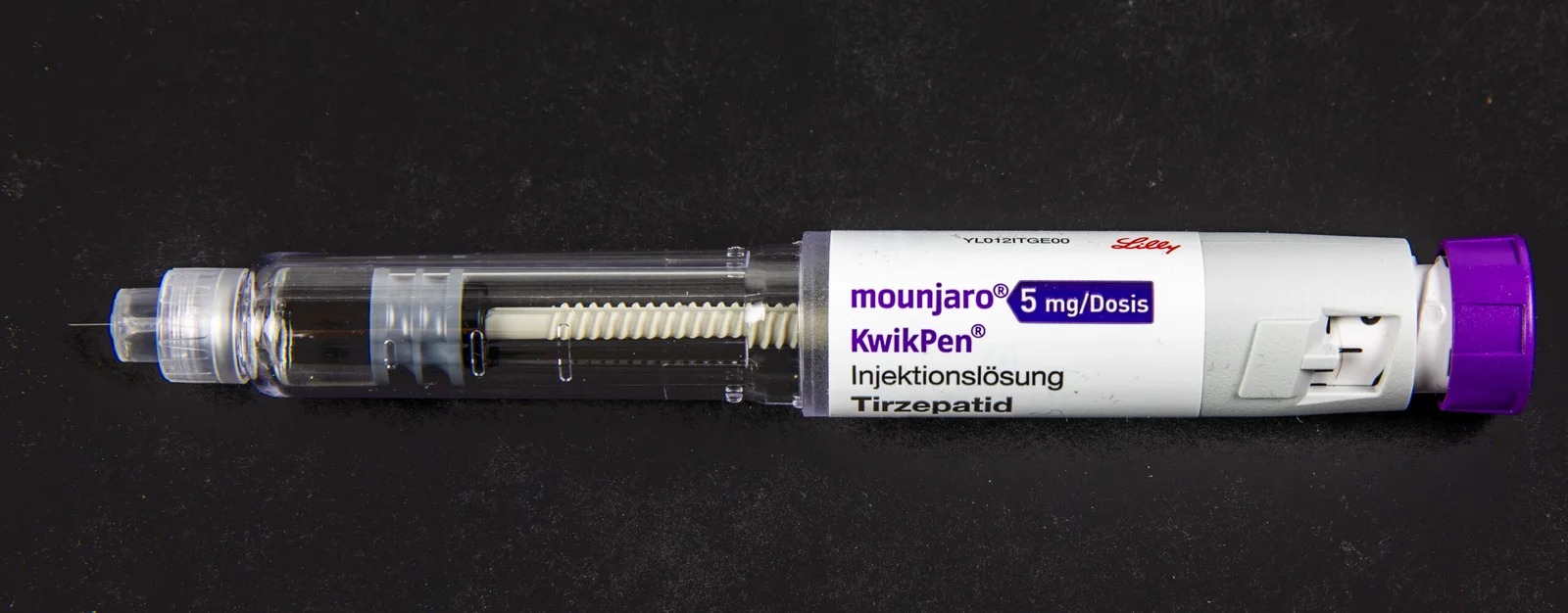
Some injectable medications originally developed for metabolic conditions influence appetite, satiety, and energy balance. These agents act on gut‑brain signaling pathways and can lead to sustained reductions in body weight for some people when used with lifestyle changes. Clinical trials and regulatory reviews have informed dosing, indications, and safety profiles; health authorities such as the U.S. Food and Drug Administration (FDA) review available evidence when approving drugs for weight management.
Localized fat‑reducing injections (deoxycholic acid and related agents)
Deoxycholic acid is an example of an injectable compound intended to break down fat cells in a localized area. It is administered directly into small fat deposits to reduce volume. These treatments are intended for limited, focal fat pockets rather than generalized obesity management and may require multiple sessions.
Mesotherapy and lipotropic injections (aesthetic clinics)
Mesotherapy refers to injections of mixtures of substances marketed to reduce fat, improve circulation, or tighten skin. Composition and evidence vary widely. Many formulations are not rigorously tested in controlled trials, and regulatory oversight depends on jurisdiction and whether individual components are approved for specific uses.
What evidence supports fat loss injections?
Evidence quality differs by type. Large randomized controlled trials support the use of some metabolic injectables for clinically meaningful weight loss when prescribed and monitored for eligible patients. Localized fat‑reduction injections have demonstrated measurable reductions in targeted fat in clinical studies, while mesotherapy formulations often lack high‑quality evidence. Peer‑reviewed studies, systematic reviews, and regulatory assessments provide primary sources for evaluating benefits and risks.
Safety, side effects, and risks
Safety profiles vary by product. Common side effects for metabolic injectables include gastrointestinal symptoms and potential effects on glucose regulation; rare but serious adverse events have been identified and are monitored by regulators. Local injections can cause pain, swelling, infection, nerve injury, or uneven contours. Unregulated or compounded mixtures carry additional risks due to inconsistent composition and sterility concerns. Health agencies such as the FDA and national health services publish safety information and warnings for approved products.
Regulation, access, and clinical oversight
Regulatory status depends on the active ingredient and the intended use. Some drugs receive approvals for weight management with specified indications, dosing regimens, and monitoring requirements; others are approved only for metabolic diseases or for aesthetic uses. Off‑label use and non‑medical administration occur and may be subject to local laws and professional guidelines. The FDA and national regulators provide approval documents, safety communications, and labeling that inform clinical practice and patient counseling. For regulatory information and consumer guidance, see the FDA website on approved drugs and safety communications: FDA.
Who might be considered for injectable options?
Decisions about injectable therapies should be individualized and based on clinical assessment, comorbid conditions, and treatment goals. Some injectable metabolic medications are intended for people with elevated body mass index (BMI) or weight‑related health conditions and are prescribed alongside lifestyle interventions. Localized injections are typically considered for specific small fat deposits rather than overall weight reduction. A qualified clinician can review indications, contraindications, and monitoring needs.
Practical considerations: cost, monitoring, and alternatives
Costs vary: prescription injectable medications and repeated clinic procedures can be expensive and may not be covered by insurance for cosmetic uses. Ongoing follow‑up is important to assess efficacy and side effects. Non‑injectable weight management strategies—nutritional changes, physical activity, behavioral therapy, and in some cases bariatric surgery—remain evidence‑based alternatives or complements to injectable treatments. Clinical guidelines from professional societies and national health services offer frameworks for integrated care.
Key takeaways
Fat loss injections encompass diverse therapies with different targets, evidence bases, and safety profiles. Some injectable medications have robust clinical trial data and regulatory approvals for weight management, while other injectable treatments are intended for localized fat reduction or are used in aesthetic practice with less rigorous evidence. Regulatory oversight, clinician expertise, and individualized risk–benefit assessment are important when considering any injectable option.
Frequently asked questions
What are fat loss injections and do they work?
"Fat loss injections" is a broad term that describes systemic metabolic medications, localized fat‑reducing agents, and aesthetic injection mixtures. Effectiveness depends on the specific product and indication: some regulated metabolic injectables have demonstrated clinically meaningful weight loss in trials, while localized agents can reduce small fat deposits. Evidence and outcomes vary, so evaluation by a licensed clinician is recommended.
Are fat loss injections safe?
Safety depends on the agent and context. Approved medications and procedures have documented side effects and recommended monitoring. Risks include common, expected reactions (e.g., injection site effects, gastrointestinal symptoms) and rarer serious events. Unregulated or compounded mixtures pose additional safety concerns. Regulatory guidance and clinician oversight help mitigate risks.
How does regulation affect access to injectable weight‑loss options?
Regulatory approval determines indicated uses, labeling, and safety monitoring requirements. Some injectables are approved for weight management, others only for metabolic conditions or aesthetic uses. Availability, prescribing restrictions, and insurance coverage vary by country and product. Health authorities provide approval summaries and safety communications to inform clinicians and patients.
Can injections replace diet and exercise?
Injectable treatments are typically part of a broader management plan. Lifestyle changes such as diet and physical activity remain foundational for long‑term weight management. Clinician guidance and follow‑up help integrate injectables with non‑pharmacologic strategies when appropriate.
Where can more information be found?
Official health regulators (for example, national medicines agencies) and peer‑reviewed medical literature are primary sources for information about specific injectable agents, indications, and safety profiles. Consultation with a licensed healthcare professional provides individualized assessment and guidance. This article is informational and not a substitute for professional medical advice.