Fatty Liver Disease: Symptoms, Causes, Grades, Treatment & When to See a Doctor
-

- September 25th, 2026
- 33 views
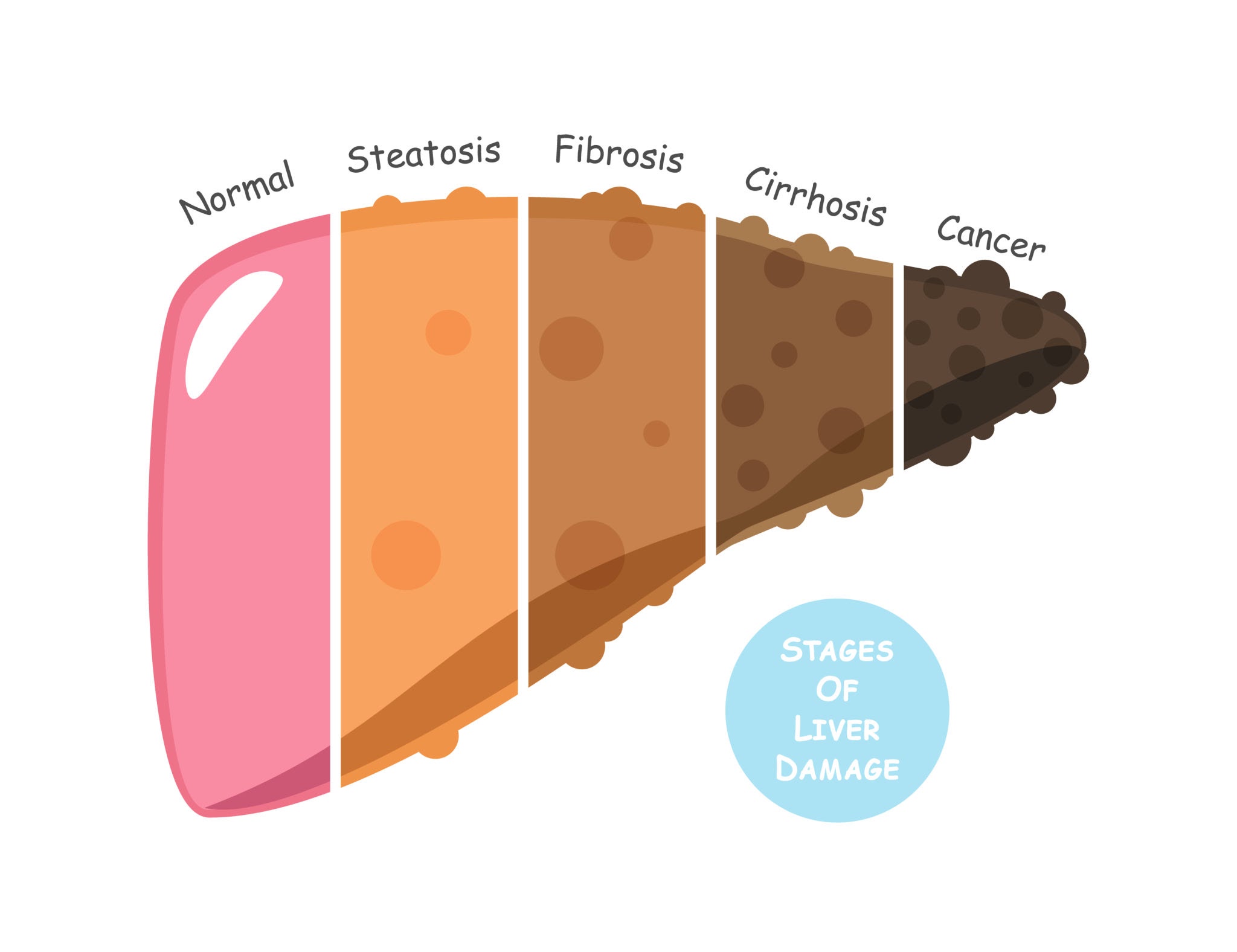
Fatty liver disease—medically referred to as hepatic steatosis—has become one of the most common metabolic conditions globally. It occurs when excess fat builds up inside liver cells. While a healthy liver naturally contains a small amount of fat, an accumulation exceeding 5% to 10% of the organ's total weight indicates fatty liver disease.
If left unmanaged, hepatic steatosis can progress from simple fat accumulation to severe liver inflammation, scarring, and long-term organ damage.
Understanding the Causes & Types
Fatty liver disease is broadly divided into two main categories based on its underlying cause:
Non-Alcoholic Fatty Liver Disease (NAFLD): Fatty accumulation that occurs in individuals who consume little to no alcohol. It is strongly linked to metabolic syndrome, insulin resistance, type 2 diabetes, obesity, high blood pressure, and elevated triglycerides.
Alcoholic Fatty Liver Disease (AFLD): Caused by heavy or long-term alcohol consumption, which alters hepatic metabolic processes and leads to fat deposition.
Key Risk Factors
Metabolic Disorders: Type 2 diabetes, polycystic ovary syndrome (PCOS), or hypothyroidism.
Dietary Patterns: High intake of refined sugars, fructose, processed foods, and saturated fats.
Sedentary Lifestyle: Lack of regular physical activity reduces fat oxidation.
Genetics: Family history of liver disease or metabolic dysfunction.
What Are the Symptoms of Fatty Liver?
In its early stages, fatty liver disease is often termed a "silent killer" because it typically produces no noticeable symptoms. Most people discover they have it incidentally during a routine ultrasound scan or preventative health checkup in Rudrapur.
What Are the First Signs of Fatty Liver?
When early warning signs do appear, they are often subtle and easily overlooked:
Unexplained, persistent fatigue or sluggishness
A feeling of fullness or mild discomfort in the upper right side of the abdomen
General weakness or low physical stamina
Does Fatty Liver Cause Stomach Pain?
Fatty liver does not typically cause acute, sharp stomach pain. However, as fat accumulates and causes the liver to enlarge (hepatomegaly), it can stretch the capsule surrounding the organ. This creates a dull, aching sensation or pressure in the upper right quadrant of the abdomen, right under the ribcage. If you experience severe, sharp, or sudden abdominal pain accompanied by fever or vomiting, it is vital to consult a gastro hospital in Rudrapur or visit an emergency care facility immediately.
Advanced Symptoms (NASH / Cirrhosis Stage)
If inflammation develops—a stage known as Non-Alcoholic Steatohepatitis (NASH)—or progresses to liver scarring (cirrhosis), noticeable symptoms become more severe:
Jaundice (yellowing of the skin and eyes)
Swelling in the abdomen (ascites) and legs (edema)
Dark urine and pale stools
Confusion, memory issues, or slurred speech (hepatic encephalopathy)
Tendency to bruise or bleed easily
What Does Grade 1, 2, and 3 Fatty Liver Mean?
When an ultrasound report confirms fatty liver, it classifies the condition into severity grades based on the proportion of liver tissue involved:
Grade |
Description |
Severity Level |
Fat Accumulation |
Grade 1 (Mild) |
Simple Steatosis: Fat droplets are present in liver cells, but there is no significant inflammation or scarring. |
Fully Reversible |
5% to 33% of liver cells affected |
Grade 2 (Moderate) |
Moderate Steatosis: Fat accumulation increases; early mild inflammation or liver enlargement may begin. |
Reversible with Intervention |
33% to 66% of liver cells affected |
Grade 3 (Severe) |
Severe Steatosis: Heavy fat buildup accompanied by noticeable liver inflammation and potential fibrous tissue development. |
Requires Immediate Medical Care |
Greater than 66% of liver cells affected |
Is Fatty Liver Dangerous?
Yes, fatty liver can be dangerous if ignored.
While Grade 1 fatty liver is usually harmless in its initial phase, persistent fat accumulation causes chronic inflammation. Over time, this leads to irreversible tissue damage through a distinct structural progression:
[ Grade 1 / Simple Steatosis ]
│
▼
[ NASH (Inflammation & Cell Injury) ]
│
▼
[ Fibrosis (Scar Tissue Buildup) ]
│
▼
[ Cirrhosis / Liver Failure / Liver Cancer ]
Beyond direct damage to the liver, individuals with fatty liver disease face a significantly higher long-term risk of cardiovascular diseases, stroke, and type 2 diabetes complications.
How to Reverse Fatty Liver Naturally
The liver is uniquely resilient: it is one of the few organs capable of complete self-repair and regeneration when given the right conditions. Grade 1 and early Grade 2 fatty liver can often be completely reversed through dedicated lifestyle modifications.
1. Achieve Gradual Weight Loss
Losing 7% to 10% of total body weight significantly reduces liver fat, inflammation, and cellular injury. Aim for a gradual, sustainable weight reduction of 0.5 to 1 kg per week; sudden, rapid weight loss can worsen liver inflammation.
2. Best Diet for Fatty Liver
Adopt a Mediterranean-style diet focused on unrefined, whole foods:
Complex Carbohydrates: Whole grains, oats, quinoa, and brown rice.
Healthy Fats: Olive oil, avocados, walnuts, chia seeds, and flaxseeds.
Lean Proteins: Fish rich in omega-3 fatty acids (salmon, sardines), legumes, tofu, and chicken breast.
Antioxidants & Fiber: Leafy greens, cruciferous vegetables (broccoli, Brussels sprouts), berries, and garlic.
Coffee: Regular black coffee consumption (without added sugars or creamers) has been shown in clinical studies to lower elevated liver enzymes and reduce fibrosis progression.
3. What Foods Should I Avoid with Fatty Liver?
Key Dietary Exclusions: Cut back heavily on foods that drive hepatic lipogenesis (fat synthesis in the liver).
Added Sugars & High-Fructose Corn Syrup: Soda, packaged fruit juices, energy drinks, candies, and commercial pastries.
Refined Carbohydrates: White bread, maida products, polished rice, and fast-food items.
Trans Fats & Fried Foods: Deep-fried items, commercial bakery goods, and margarine.
Saturated Fats: High-fat dairy, butter, and processed red meats.
Alcohol: Complete abstinence is essential for recovery.
4. Engage in Regular Physical Activity
Combine aerobic exercise (walking, cycling, swimming for 150+ minutes per week) with resistance training 2 to 3 times a week. Exercise improves peripheral insulin sensitivity, helping burn stored visceral and hepatic fat regardless of total weight loss.
Medical Diagnostics & Treatment Options
While lifestyle changes form the cornerstone of treatment, medical management under an internal medicine specialist in Rudrapur or a gastroenterologist is essential for monitoring and stopping disease progression.
Diagnostic Tests
Liver Function Tests (LFT): Blood tests evaluating liver enzyme levels (ALT, AST, GGT).
Abdominal Ultrasound: Primary imaging tool used to grade fatty liver.
FibroScan (Transient Elastography): Specialized ultrasound quantifying exact fat content and liver stiffness (fibrosis stage).
Lipid Profile & HbA1c: To assess associated metabolic risks like cholesterol and diabetes.
Treatment Approach
Currently, lifestyle modifications are the primary medical intervention for fatty liver. Physicians may also prescribe targeted medications to control comorbid conditions, such as:
Insulin sensitizers (e.g., Pioglitazone) for diabetic patients.
Lipid-lowering statins for cardiovascular protection.
Vitamin E supplements (prescribed selectively for non-diabetic NASH cases).
Emerging thyroid hormone receptor-beta agonists (where clinically indicated).
When to See a Doctor
Early evaluation prevents permanent complications. Schedule a clinical consultation with a liver specialist in Rudrapur if you fall into any of the following categories:
Abnormal Test Results: Routine blood tests show elevated liver enzymes (ALT/AST) or an ultrasound report indicates Grade 1, 2, or 3 fatty liver.
Unexplained Symptoms: You experience persistent fatigue, abdominal fullness, jaundice, or unexplained dark urine.
High-Risk Profile: You have long-standing metabolic risks, such as type 2 diabetes, severe obesity, or high cholesterol.
Routine Preventative Screening: If you are over 40 or have a family history of liver disease, consult a reliable multispeciality hospital in Rudrapur for comprehensive health screening.
Key Takeaways
Fatty liver is common but reversible in its early stages (Grade 1 and 2) through diet and exercise.
Symptoms are often absent early on; regular diagnostic health checks are the best line of defense.
Left unmanaged, it can progress to NASH, permanent scarring (cirrhosis), and liver failure.
Consulting a specialist early ensures you receive an accurate diagnosis, customized diet guidance, and a structured medical treatment plan.