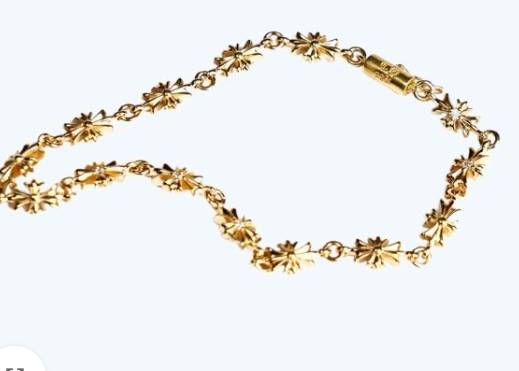
How to Find Exquisite Gold Chains Online: A Practical Guide
-

- February 23rd, 2026
- 1,337 views
Shopping for exquisite gold chains online combines convenience with access to a wide selection of karats, styles, and price points. This guide explains how purity, hallmarking, chain construction, and seller credentials affect value and durability, and outlines practical steps for secure purchases.
- Know gold purity (karat and fineness) and the difference between solid gold, vermeil, and gold-plated pieces.
- Look for official hallmarks and reliable certificates; check seller policies on returns, shipping, and repair.
- Understand common chain styles and construction to match durability and aesthetic needs.
- Maintain chains with gentle cleaning, careful storage, and periodic inspection of clasps and jump rings.
Exquisite Gold Chains: Buying Basics and Key Terms
Gold purity is expressed in karats (24K is pure gold) and in fineness (e.g., 916 for 22K). Most wearable chains are alloyed for strength; 18K (750) and 14K (585) are common for jewelry because they balance color and durability. Distinguish between solid gold, gold-filled, gold vermeil, and gold-plated items—each has different longevity and maintenance expectations.
Common technical terms
- Karat (K): The fraction of pure gold in the alloy.
- Fineness: Parts per thousand of gold (e.g., 750 = 75% gold).
- Hallmark: An official stamp indicating metal content and often a maker or assay office mark.
- Chain construction: Solid links, hollow links, welded vs. soldered joints—these affect strength.
How gold is measured, marked, and certified
Reputable sellers provide clear markings and documentation. Hallmarks and assay marks are legal guarantees in many jurisdictions; for example, the Bureau of Indian Standards (BIS) administers hallmarking in India, while the UK uses assay offices under the Hallmarking Act. In the United States, the Federal Trade Commission (FTC) provides guidelines for jewelry labeling and marketing claims.
Authentication and certificates
Certificates often show metal content and testing method (e.g., X-ray fluorescence, fire assay). A certificate from an independent assay or a recognized industry body increases confidence, but examine the certificate details: issuer, test method, and serial numbers if available.
Shopping tips for online purchases
Compare listings by weight (grams), karat, chain type, and clasp. Use product photos, zoom tools, and specification tables to confirm dimensions, weight, and finish.
Seller credentials and policies
- Returns and refunds: Prefer sellers offering at least a 14-day return window and clear return shipping policies.
- Shipping and insurance: Confirm tracked shipping and insurance for high-value items.
- Payment security: Use secure payment methods and consider purchase protection from card providers.
Product details to verify
- Karat and fineness marks on the piece and in the listing.
- Chain length, width, clasp type (lobster, spring ring, box), and weight in grams.
- Photos of hallmark area and close-ups of links and clasps.
Durability, styles, and everyday wear considerations
Different chain styles suit different uses. Solid, tightly linked chains such as box, wheat, or rope styles tend to resist kinking and are good for pendants or everyday wear. Lighter chains—cable, curb, or Figaro—offer a classic look but may require more care depending on link thickness and whether links are hollow or solid.
Clasp and link quality
Clasps are common failure points. Look for secure designs (lobster and box clasps with safety latches) and sturdy soldered jump rings. For heirloom or daily-wear pieces, choose solid links and thicker gauges.
Care, cleaning, and maintenance
Gold resists tarnish but can accumulate oils and dirt. Clean gently with a mild soap solution and a soft brush; rinse and dry thoroughly. Avoid abrasive cleaners on plated surfaces. Store chains individually to prevent tangles and wear. Inspect clasps and soldered links periodically; seek professional repair for damaged solder joints.
When to consult an expert
For valuable pieces, consult a certified jeweler or an independent assay lab before resale or insurance appraisals. Academic materials science resources and trade organizations detail testing methods and alloy behavior for reference.
Trust and certification: verifying authenticity
Look for hallmarks, third-party certificates, clear documentation of testing methods, and traceable seller information. Industry organizations such as the World Gold Council provide guidance on consumer education and standards for gold products.
World Gold Council is a resource for broader information on gold markets and standards.
Regulatory references
Consult national regulators and consumer protection agencies for local rules on hallmarking, marketing, and returns—examples include the FTC in the United States and national assay offices in Europe and Asia.
Practical checklist before purchase
- Confirm karat/fineness and whether the piece is solid gold or plated/vermeil.
- Verify hallmark photos and certificate details.
- Check weight, dimensions, and clasp type.
- Review return policy, shipping insurance, and repair services.
- Read buyer reviews and seller ratings for service consistency.
FAQ
What should be considered when buying exquisite gold chains online?
Consider karat and fineness, whether the chain is solid or plated, hallmarking and certificates, clasp and link construction, seller return policy, shipping insurance, and verified photos that show hallmarks and close-up details. Balance desired color and purity with durability needs; for everyday wear, 14K or 18K solid chains are common choices.
How can a hallmark or certificate be verified?
Compare the hallmark to known assay office marks and request a certificate that lists the testing method and issuing body. Independent assay laboratories or certified jewelers can confirm authenticity using XRF or fire assay methods.
Are plated or vermeil chains a good value?
Plated pieces and vermeil (gold over sterling silver with thicker gold layer) can offer attractive looks at lower cost but will wear differently from solid gold. Choose plated items for occasional wear and vermeil for a better balance of appearance and value; expect eventual re-plating for long-term use.
How should a new gold chain be cared for?
Keep the chain away from harsh chemicals and perfumes, clean with mild soap and a soft brush, dry completely, and store flat or hung to prevent tangling. Inspect clasps and links and seek professional repair for any solder or clasp damage.