Where to Find Medium-Duty Tow Trucks for Sale: Complete Buyer’s Guide
-

- Published Updated
- 1,453 views
Searching for medium duty tow trucks for sale requires understanding vehicle classes, towing configurations, and compliance requirements. This guide explains where to look, how to evaluate used and new trucks, and what paperwork and inspections matter before purchase.
- Medium-duty tow trucks are typically Class 4–6 (GVWR roughly 14,001–26,000 lb).
- Search dealers, fleet auctions, government surplus, upfitters, and online marketplaces.
- Inspect chassis, PTO/hydraulics, winch, frame, service records, and title status.
- Verify safety recalls and regulatory requirements with agencies such as the FMCSA and NHTSA.
Where to Find Medium Duty Tow Trucks for Sale
Common places to find medium duty tow trucks for sale include authorized truck dealers, independent truck dealerships that specialize in service and recovery equipment, fleet liquidations, government surplus auctions, and specialized online marketplaces. Local upfitters and body shops that install hydraulic lifts and wheel lifts often list trade-ins or used units. Attending industry trade shows and contacting towing company brokers can also uncover available inventory.
Understanding Class, GVWR, and Configurations
Vehicle class and GVWR
Medium-duty tow trucks generally fall into Class 4–6 by Gross Vehicle Weight Rating (GVWR). These classes cover vehicles typically used for light- to mid-sized recovery tasks, commercial roadside assistance, and municipal work. GVWR determines load capacity and licensing considerations.
Tow truck types and common equipment
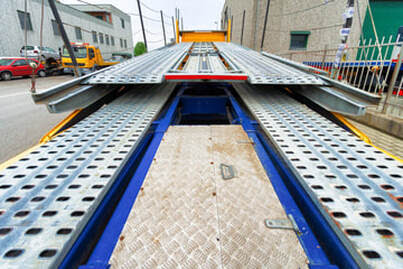
Common configurations include rollback/flatbed, wheel-lift, integrated wreckers (boom + wheel-lift), and hook-and-chain (less common). Key components to check are the winch, boom condition, hydraulic systems, power take-off (PTO), control console, and mounting hardware.
How to Evaluate a Medium-Duty Tow Truck Before Buying
Mechanical inspections
Have a qualified diesel mechanic inspect the engine, transmission, differential, brakes, suspension, and steering. For PTO-driven systems and hydraulics, confirm proper operation under load. Ask for engine hours where available in addition to odometer readings.
Structural checks
Inspect the frame rails, crossmembers, welds, and body mounts for rust, cracks, or repaired damage. Examine the bed or wrecker frame for distortion from heavy use. Look for fresh paint masks that could indicate repair of collision damage.
Service history and records
Request maintenance logs, service invoices, and any upfit documentation from the tow equipment manufacturer or upfitter. Verify regular maintenance items such as brake work, hydraulic service, and chassis inspections.
Title, ownership, and vehicle history
Confirm a clean title and check for liens. Use the vehicle identification number (VIN) to obtain a vehicle history report and check for past accidents or salvage branding. Confirm that the seller can provide a bill of sale and necessary release paperwork.
Regulatory, Safety, and Compliance Checks
Recalls and safety bulletins
Check recall and safety bulletin databases maintained by national regulators. For federal commercial vehicle rules and safety resources, refer to the Federal Motor Carrier Safety Administration (FMCSA): https://www.fmcsa.dot.gov/. Also review the National Highway Traffic Safety Administration (NHTSA) for recalls on chassis components.
Driver licensing and local rules
Determine whether a commercial driver’s license (CDL) is required under federal and state rules; typically a CDL is required when GVWR is 26,001 lb or greater, but state rules and endorsements vary. Check local Department of Motor Vehicles (DMV) requirements for registration, weight ratings, and special plate needs.
Where to Buy: Pros and Cons
New dealer purchases
Pros: factory warranties, latest safety features, customizable upfits. Cons: higher price, longer lead times on custom bodies.
Used trucks from dealers or fleets
Pros: lower purchase price, immediate availability. Cons: variable maintenance history; require careful inspection.
Auctions and government surplus
Pros: potential for low prices. Cons: sold as-is with minimal warranties; higher risk of hidden defects.
Preparing to Close the Purchase
Pre-purchase checklist
- Complete mechanical and structural inspection report.
- Verify title, lien release, and vehicle history report.
- Confirm upfit warranty transferability and availability of replacement parts.
- Test all recovery systems under load where safe and permitted.
Post-purchase actions
Schedule a full service, change fluids and filters as recommended, and file the vehicle paperwork with the appropriate state agency. Establish a preventive maintenance plan to preserve resale value and safety.
Frequently asked questions
How to inspect medium duty tow trucks for sale?
Inspect the chassis and frame for rust or repairs, test the PTO and hydraulic functions under load, run a compression and diagnostic check on the engine, verify transmission operation through all gears, check brakes and steering, review service records, and confirm title status via the VIN. A professional diesel mechanic and a certified upfitter inspection are recommended.
What GVWR classes are considered medium-duty?
Medium-duty tow trucks usually fall into Class 4–6 by GVWR. These classes are commonly used for municipal, light commercial, and roadside assistance tasks.
Where can fleets sell retired medium-duty tow trucks?
Fleets commonly use online commercial truck marketplaces, dealer trade-ins, local auctions, or liquidation brokers. Government and municipal fleets may offer surplus units through public auction portals.