Top Fit-Out Supplies and Materials for Modern Interiors in 2026: What Every Project Needs
-

- Published Updated
- 7,172 views
Introduction: Why Material Selection Defines the Quality of Every Interior
Every interior fit-out project — whether it is a luxury residential development, a corporate office, or a large-scale hospitality venue — is ultimately defined by the materials used to build it. Design concepts, floor plans, and lighting schemes matter enormously. But it is the surface materials, the structural boards, and the finishing details that determine whether a completed interior lives up to its brief or begins disappointing before its time.
In 2026, the range of fit-out supplies available to designers, contractors, and developers is broader and more performance-capable than ever before. The challenge is not access to products — it is knowing which products belong in which applications, how to evaluate them against the demands of the specific project environment, and how to source them from suppliers whose quality and reliability support the specification rather than limiting it.
This guide covers the material categories that form the foundation of modern interior fit-out, with practical guidance on selection criteria and application considerations for each.
What Are Fit-Out Supplies and Materials?
Fit-out materials are the products used to complete an interior once the structural shell of a building is in place. They transform empty, unfinished spaces into functional, aesthetically resolved environments — covering everything from wall panels and surface laminates to structural boards, ceiling systems, and edge finishing materials.
These materials serve projects across every sector:
In residential settings, fit-out supplies are used for fitted kitchens, wardrobes, bathroom vanities, and bespoke living room joinery. In commercial environments — offices, retail stores, restaurants, and hotels — they form the surfaces and furniture systems that occupants interact with daily. In institutional buildings such as hospitals, schools, and government facilities, they must meet specific hygiene, durability, and maintenance standards that general-purpose products may not satisfy.
Regardless of sector, the principle is consistent: the right fit-out material for each application is the one that meets the environment's performance demands, supports the design intent, and delivers sustained quality across the installation's operational life. Professionals in the Building Material Trading sector understand that product selection at specification stage is the decision that determines project outcomes — not the construction process that follows.
Key Material Categories for Interior Fit-Out
Laminates: Surface Beauty With Engineering Behind It
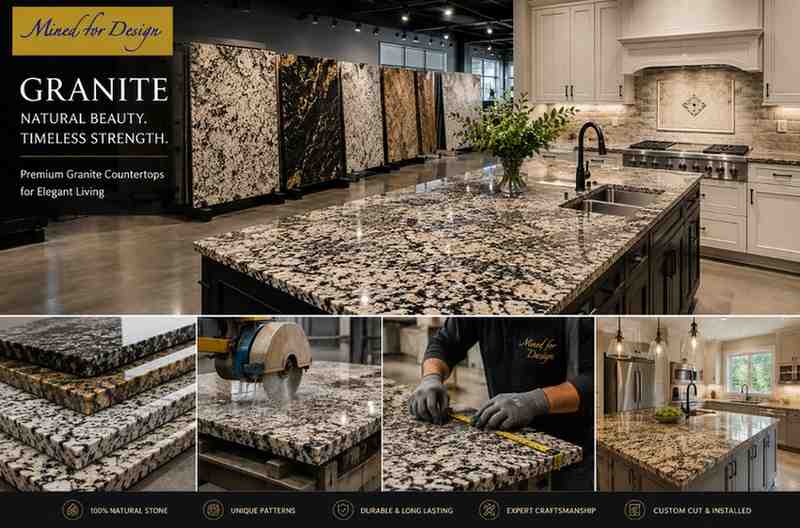
Laminates are the most visible fit-out materials in any interior. They cover the furniture panels, wall cladding, countertops, and cabinetry that define a space's visual character. Available in hundreds of finishes — woodgrain textures, solid tones, stone effects, metallic surfaces, and ultra-matte premium finishes — they serve both aesthetic and functional specification requirements simultaneously.
High Pressure Laminates
High Pressure Laminates are produced by compressing multiple layers of resin-impregnated paper under sustained high heat and pressure. The manufacturing process creates a surface composite with hardness and durability that standard laminate alternatives cannot match. HPL surfaces resist scratches from daily use, tolerate moisture in kitchens and bathrooms, handle heat exposure near appliances, and withstand the impact loads that high-traffic commercial spaces generate continuously.
For commercial cabinetry, office furniture panels, countertops and work surfaces, wall cladding in corridors and public areas, and locker systems in institutional environments, HPL is the specification that justifies itself through performance across the full service life of the installation.
Wood Effect Laminates
Wood effect laminates deliver the visual warmth and organic character of natural timber without the dimensional movement, maintenance demands, and cost that solid wood or real veneer specification carries. Contemporary manufacturing has produced woodgrain surfaces with grain detail, textural depth, and tonal variation that satisfy timber design briefs convincingly in finished interiors.
They are the rational specification for fitted wardrobes, kitchen cabinetry, office joinery, retail shopfitting, and hospitality interior panelling — anywhere a natural timber aesthetic is the design goal and the project's practical parameters make solid wood specification impractical.
Luxury Surface Laminates
At the premium end of the design range, luxury surface laminates with ultra-matte finishes provide the visual depth and tactile quality that standard laminates do not achieve. In high-end residential developments, executive commercial spaces, and premium hospitality interiors, these surfaces communicate quality as directly as they deliver it — and they serve design briefs where the surface specification is a statement about the standard of the interior, not simply a functional covering.
MDF Boards: The Structural Foundation of Interior Joinery
Medium Density Fibreboard is among the most widely specified interior construction materials globally. Manufactured from fine wood fibres compressed with resin under heat and pressure, MDF provides a smooth, uniform surface that accepts laminates, paints, foils, and veneer finishes with consistent quality. Its density is uniform throughout, which supports precise machining, clean routing, and reliable fixings at every point in the board.
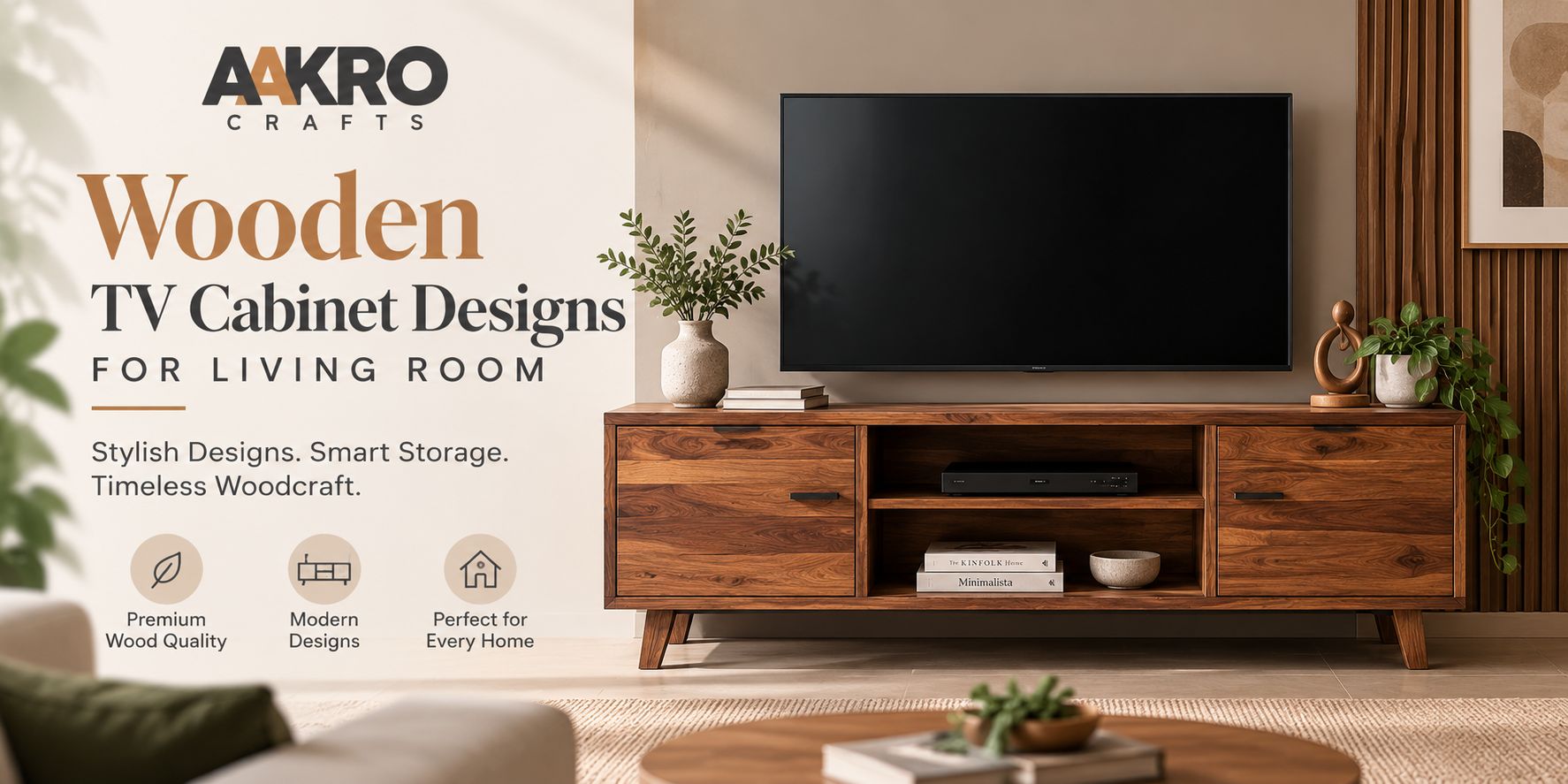
MDF is the default substrate for cabinet carcasses, shelving systems, partition infills, door panels, decorative mouldings, and built-in furniture across residential and commercial projects. In dry, climate-controlled interior environments, it delivers the combination of surface quality, fabrication precision, and cost efficiency that makes it difficult to displace.
The specification boundary for standard MDF is moisture. In environments where humidity, condensation, or water exposure is a regular condition, moisture-resistant alternatives are required.
HMR Fibreboards: Durability in Moisture-Exposed Environments
High Moisture Resistance fibreboards are engineered specifically for the applications where standard MDF would deteriorate. Manufactured with specialist resin systems that prevent moisture absorption at the fibre level, HMR boards maintain their structural integrity and surface finish adhesion in conditions that standard boards cannot sustain.
Kitchens, bathrooms, utility rooms, laundry spaces, and commercial catering and hospitality environments are all settings where HMR specification is appropriate — and where the cost of specifying standard MDF becomes apparent quickly in the form of swelling, delamination, and premature failure. The fabrication and finishing characteristics of HMR boards are consistent with standard MDF, meaning the specification upgrade adds moisture protection without changing the workshop process or design flexibility.
For interior projects where environmental conditions demand moisture-resistant performance, sourcing from established fit-out supplies and materials providers with HMR product ranges that meet international compliance standards is the specification decision that protects the project.
Edge Banding: The Finishing Detail That Completes Every Surface
Edge banding materials are applied to the exposed cut edges of boards, panels, and furniture components. Their role is dual: protective and aesthetic. Functionally, they seal the board edge against moisture ingress and impact damage — the mechanisms through which furniture and joinery deterioration most commonly begins. Aesthetically, they complete the visual surface by matching the face laminate in color, texture, and sheen level across every angle where the edge is visible.
Edge bands that are correctly specified and applied become invisible — which is precisely the outcome that good edge specification produces. Mismatched, poorly applied, or absent edge banding announces itself immediately and undermines the quality impression of everything around it.
Edge band materials include PVC and ABS options that provide robust physical protection for commercial furniture edges, melamine bands suited to lighter residential applications, and veneer options that extend premium wood-finish specifications consistently to every edge of the piece.
Selecting Fit-Out Materials: What Matters Most in 2026
Durability as a Baseline Requirement
For commercial interior specifications, durability is not a premium attribute — it is the baseline requirement. Surfaces in commercial offices, retail environments, and hospitality venues face daily wear, moisture from cleaning processes, UV exposure from natural light, and the physical contact of high-occupancy use. Materials specified without sufficient attention to these demands create maintenance and replacement costs that compound across the installation's operational life.
Design Trends Driving Specification
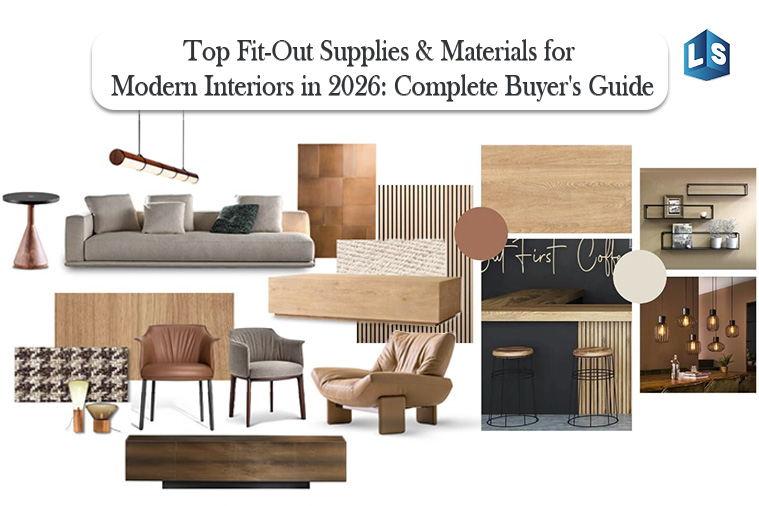
The dominant aesthetic directions in 2026 interior design — matte finishes, authentic wood-grain textures, stone and concrete surface effects, and restrained, minimalist color palettes — are all well-served within the laminate and surface material categories available. Design ambition and performance specification are not in conflict in 2026; they are achievable simultaneously with the right product knowledge.
Sustainability and Environmental Standards
Environmental specifications are increasingly standard rather than optional in commercial and institutional fit-out. Low-emission boards, substrates produced with recycled content, and laminates manufactured under certified environmental standards are specified as baseline requirements on green-rated projects and by clients with formal sustainability commitments. Understanding the environmental credentials of specified products — and being able to document them — is a practical project requirement for many sectors in 2026.
The Role of the Supplier in Project Quality
The quality of a finished interior is directly connected to the reliability of the supply chain behind it. Consistent product quality across batches, matched face and edge laminate options, technical expertise to support specification decisions, and the logistical capacity to deliver to project timelines are all supplier capabilities that affect project outcomes.
Working with experienced construction materials suppliers who maintain comprehensive, well-coordinated product ranges across the core fit-out material categories removes a significant layer of specification and procurement risk. The difference between a reliable materials partner and an inconsistent one is most apparent under project pressure — which is when it matters most.
LS Trading and Contracting W.L.L. supplies the full range of interior fit-out materials for residential, commercial, and institutional projects, supporting designers and contractors with both product quality and the specification knowledge to apply it effectively.
Conclusion
The fit-out materials specified at the beginning of an interior project shape everything that follows — the quality of the finished surfaces, the durability of the furniture and joinery, and the long-term satisfaction of the occupants who use the space daily. Laminates, MDF boards, HMR fibreboards, and edge banding each serve a defined role in that outcome.
Understanding what each product category offers, where it performs best, and how to source it reliably is what separates interior fit-out projects that deliver their promise from those that fall short of it.
Originally published on: https://www.lstcco.com/top-fit-out-supplies-materials-modern-interiors-2026/