Florida Adoption Home Study Guide for Single Parents: Requirements, Steps, and Timeline
-
- March 03rd, 2026
- 1,153 views
The Florida adoption home study for single parents is an evaluation used by licensed agencies and state authorities to assess a single adult's suitability to adopt. This process examines the home environment, background checks, parenting capacity, and legal eligibility under Florida law.
Key points: a home study in Florida is required for most adoptions; single applicants are eligible; evaluators assess safety, financial stability, psychosocial factors, and references; background checks include FBI fingerprinting and Florida Department of Law Enforcement checks; post-placement supervision and a finalized adoption decree complete the process.
Florida adoption home study for single parents: overview
A home study is a structured assessment conducted by a licensed social worker or a licensed child-placing agency. Under Florida Statutes Chapter 63 and related regulations, the home study documents an applicant's readiness to provide a stable, safe, and nurturing environment. For single adopters, the procedure covers the same areas examined for married or partnered applicants, including housing, finances, health, criminal history, and parenting capacity.
Who conducts the home study and when is it required?
Licensed agencies and social workers
Home studies are typically completed by licensed child-placing agencies or qualified social workers who follow state guidelines. Agencies verify identity and perform the psychosocial assessment, compile the home study report, and submit documentation needed for court or agency approval.
When a home study is needed
A home study is required for most private, agency, international, and foster-adoption placements. Certain interstate and private arrangements may also require additional assessments. The Florida Department of Children and Families (DCF) maintains rules and guidance for adoption processes in the state.
Eligibility considerations for single applicants
Basic requirements
Eligibility factors usually include age, legal residence, and the ability to provide a safe home. Evaluators consider parenting capacity, emotional stability, and the applicant's support network. Single applicants are not categorically excluded; decisions focus on the best interests of the child.
Financial and housing stability
Assessment of financial stability and appropriate housing is part of the home inspection and safety assessment. Documentation may include proof of income, housing arrangements, and plans for childcare or schooling.
Home study components and required documents
Common elements
Typical home study elements include interviews, a home visit, background checks, health screenings, personal references, and written reports. The psychosocial assessment evaluates parenting beliefs, history, and readiness for adoption.
Documents usually requested
- Identification: government-issued photo ID and proof of legal residence
- Birth certificate
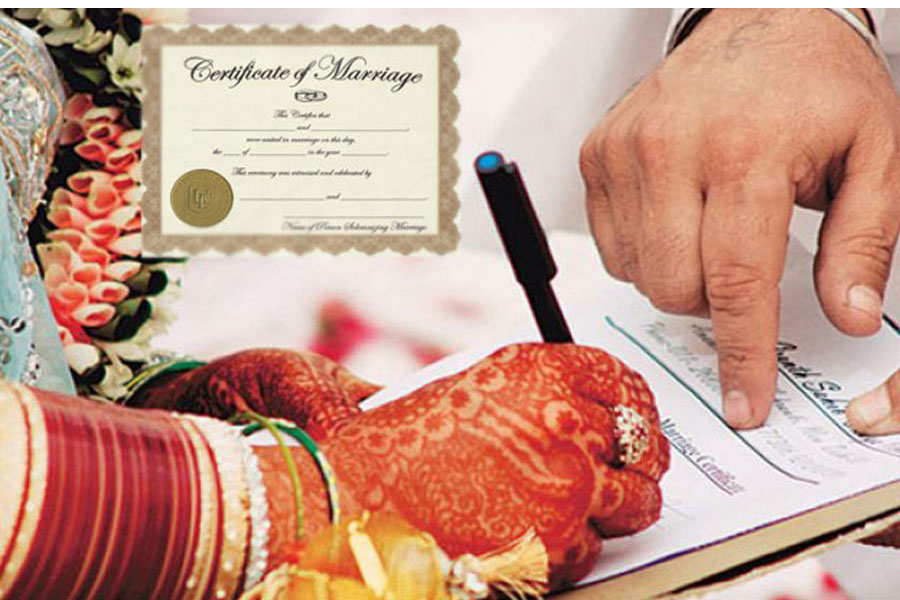
- Marriage or separation documentation, if applicable
- Financial records: pay stubs or tax returns
- Medical statements or health screenings
- References from employers, friends, or clergy
Background checks, fingerprinting, and safety checks
Background checks typically include state and federal criminal records. Florida requires fingerprinting through the Florida Department of Law Enforcement (FDLE) and the FBI for many adoption routes. Checks aim to identify disqualifying criminal convictions and to confirm the safety of the home environment.
Timeline and costs
Typical timeline
Timelines vary by agency, caseload, and whether the adoption is domestic, international, or via the foster system. A home study can take several weeks to a few months to complete. Factors that affect timing include scheduling interviews, receiving background results, and completing required training or medical exams.
Costs to expect
Costs can include agency fees, fingerprinting fees, medical examinations, and possible travel expenses for home visits. Exact fees vary by agency and case type.
Post-placement supervision and finalization
After placement, post-placement supervision verifies the child’s adjustment and the ongoing suitability of the placement. Supervisory reports are submitted to the court before the adoption can be finalized. The exact number and frequency of post-placement visits depend on agency policy and the adoption type.
Helpful terms and related concepts
- Home study report — the written assessment submitted to courts or agencies
- Post-placement supervision — ongoing checks after a child is placed
- Safety assessment — inspection of the physical home
- Psychosocial assessment — review of emotional and social readiness
- Licensed adoption agency — an agency authorized by the state to perform placements
Resources and official guidance
For authoritative information about state rules and procedures, refer to the Florida Department of Children and Families. Official materials explain licensing, statutes, and agency responsibilities for adoption-related home studies: Florida Department of Children and Families.
Practical tips for single applicants
- Prepare documentation early: organized records speed the process.
- Be candid during interviews: transparency about history and lifestyle helps evaluators assess suitability.
- Build a support network: references and community connections strengthen applications.
- Schedule home visits at convenient times to demonstrate household routines and safety features.
Common questions single applicants ask
Is single-parent adoption allowed in Florida?
Yes. Single-parent adoption is allowed, and applicants are evaluated on the same criteria applied to couples, focusing on the child’s best interests.
Does being single slow down the home study?
Not necessarily. Processing times depend on agency resources, background check turnaround, and completeness of submitted materials rather than marital status alone.
What disqualifies an applicant?
Disqualifying factors are determined by statute and agency policy and commonly include certain criminal convictions or substantiated abuse findings. Evaluators review the whole record to assess current risk and rehabilitation factors.
FAQ
How long does a Florida adoption home study for single parents take?
Timeframes vary, but a completed home study often takes several weeks to a few months, depending on agency schedules, background check processing, and the availability of required documents and medical evaluations.
Can a single person adopt a child from foster care in Florida?
Yes. Single applicants may adopt from the foster care system; approval depends on the home study, background checks, and agency placement decisions.
Are criminal background checks required for all household members?
Yes. Most home studies require background checks for all adults living in the household. Requirements are designed to ensure a safe environment for the child.
Who approves the final adoption in Florida?
The adoption is finalized by a Florida circuit court judge after required reports, including the home study and post-placement supervision, are submitted according to statutory procedures under Florida law.
Where can applicants get official forms and statute references?
Official forms, statutes, and procedural guidance are available through state resources and the Florida Department of Children and Families, which provides detailed information for prospective adoptive parents.