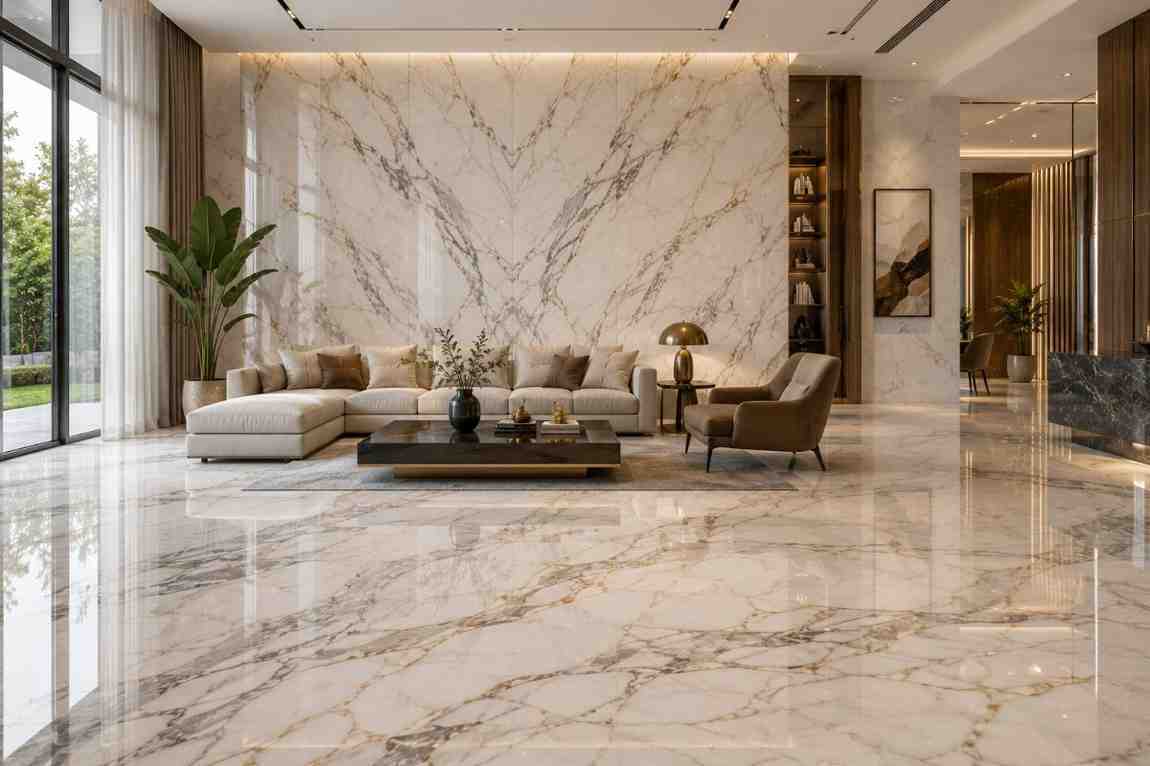
French Contemporary Furniture: Styles, Designers & Buying Guide
-

- February 23rd, 2026
- 1,441 views
French contemporary furniture combines historical French savoir-faire with modern materials, sustainable practices, and a broad range of aesthetics from minimalism to playful eclecticism. French contemporary furniture reflects an emphasis on craftsmanship, innovation, and cultural context that has evolved since the 20th century.
- Origins link to 20th-century movements and continuing artisanal traditions.
- Key characteristics: proportion, material quality, functional detailing.
- Notable figures include Charlotte Perriand, Jean Prouvé, and contemporary designers who blend craft with technology.
- Buying tips: inspect materials, provenance, and production methods; consider sustainability and repairability.
French contemporary furniture: defining features and history
Contemporary French furniture is defined by attention to proportion and surface, a legacy of periods such as Art Nouveau, Art Deco and mid-century modern influence, and post-war experimentation. From industrial designers like Jean Prouvé to architects and makers who emphasized modularity and mass production, the French scene combined technical innovation with traditional workshops and cabinetmaking techniques (ébénisterie).
Materials, construction and finish
Common materials
Wood species such as oak and walnut remain popular for their longevity and patina. Metals including steel and aluminum are used structurally, while new polymers, laminated veneers, lacquer, bentwood and woven natural fibers like rattan appear in hybrid pieces. Upholstery fabrics include wool, linen, leather, and performance textiles for durability.
Construction methods
Traditional joinery, mortise-and-tenon frames, and hand-finished surfaces coexist with CNC machining and industrial processes. Repairability and clear documentation of materials support long-term value and circular design principles promoted by regulators and cultural organizations in France.
Notable designers and studios
Historic and contemporary designers have shaped the field. Charlotte Perriand introduced functional, human-centered layouts; Jean Prouvé fused engineering and furniture-making; and later figures like Pierre Chapo and Ronan & Erwan Bouroullec explored seating and modular systems. Contemporary studios often collaborate with artisanal workshops to preserve local techniques while scaling production ethically.
Styles and categories
Minimal and modern
Clean lines, neutral palettes, and emphasis on proportion. Often influenced by Scandinavian minimalism but marked by distinct French attention to detail and finish.
Eclectic and artisanal
Mix of materials, bespoke details, and visible craftsmanship reflecting regional traditions and contemporary reinterpretations.
Sustainable and circular design
Sustainability is increasingly central: use of recycled materials, durable construction, modular parts for repair, and certification schemes. The French Ministry of Culture and industrial regulators encourage preservation of heritage techniques while promoting eco-design practices.
How to evaluate and buy French contemporary furniture
Assess provenance and authenticity
Check documentation, maker signatures or stamps, and any provenance records. For reproduction pieces, consult design registries and, when relevant, intellectual property databases such as the Institut National de la Propriété Industrielle (INPI) for registered designs.
Inspect materials and joinery
Solid wood cores, clear dovetail or mortise-and-tenon joinery, and high-quality upholstery indicate longevity. Be wary of thin veneers or poorly reinforced frames when paying premium prices.
Consider care, repair and lifecycle
Look for replaceable cushions, available spare parts, and accessible workshop services. Many French ateliers and restoration specialists can extend the life of well-crafted pieces.
Where to see and learn more
Museums and design centers preserve and exhibit French furniture history and contemporary practice. Exhibitions at design museums, biennales, and university design departments offer context on movements and techniques. For an overview of decorative arts collections and historical examples, consult the Musée des Arts Décoratifs in Paris which documents furniture and design across periods and supports public programs for conservation and research: Musée des Arts Décoratifs, Paris. Additional context can be found through academic publications and cultural institutions such as the Centre Pompidou and regional design schools.
Care, maintenance and conservation
Preventive care—consistent humidity control, sunlight protection, and proper cleaning—preserves finishes. For antique or high-value contemporary pieces, consult conservation professionals. French heritage organizations and museum departments publish best-practice guidelines for wood care, metal preservation, and textile maintenance.
Regulations, standards and certifications
Environmental and safety standards apply to upholstered goods, flame retardancy in public spaces, and chemical finishes. Certifications and eco-labels help verify sustainable sourcing and production methods. Institutions such as the French Ministry of Ecology and industry standards bodies provide guidance on compliance.
Conclusion
French contemporary furniture blends craftsmanship, material quality, and innovation. Whether buying a handcrafted chair or a mass-produced design object, prioritize documented provenance, repairability, and material honesty to ensure a piece endures both functionally and culturally.
Frequently asked questions
What defines French contemporary furniture?
French contemporary furniture is defined by a combination of historical craftsmanship, modern material use, attention to proportion, and an emphasis on finish and functional design that reflects France's decorative arts traditions.
How can authenticity be verified for vintage French pieces?
Verify maker marks, provenance documentation, design archives, and consult specialists or auction-house records. Official registries such as INPI can sometimes provide information about registered designs.
Where can one view major collections of French contemporary furniture?
Major public collections and museums in France, including decorative arts museums and national design centers, exhibit significant examples. Museum exhibitions and biennales provide context on both historic and contemporary work.
Is French contemporary furniture sustainable?
Sustainability varies by maker. Many contemporary French designers and workshops prioritize recycled materials, repairable construction, and local production; certifications and transparent supply chains are useful indicators.
How should French contemporary furniture be maintained?
Regular cleaning appropriate to the material, controlled humidity and sunlight, and professional restoration for damage will extend a piece's life. For high-value items, seek conservation advice from accredited professionals.
Related Posts