Calm Waters: Planning a French Riviera Yacht Charter for Sun, Sea, and Serenity
-

- Published Updated
- 1,362 views
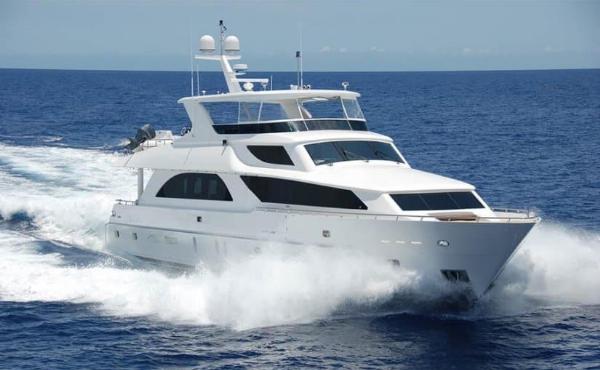
The Mediterranean coastline known as the Côte d'Azur is an iconic setting for relaxation, and a French Riviera yacht charter offers a distinct way to combine sun, sea, and serenity. This guide outlines practical planning, coastal etiquette, safety considerations, and suggested routes to help travelers create a calm, restorative experience along the Mediterranean coast.
- Choose a route that balances popular ports (Nice, Cannes, Monaco) with quieter anchorages (Lérins Islands, Giens Peninsula).
- Plan on-season and off-season differences: summer has busier marinas; spring and autumn offer milder conditions and fewer crowds.
- Respect maritime rules, marine protected areas, and local anchoring etiquette to protect wildlife and ensure safety.
- Confirm skipper qualifications, insurance, and fuel/harbor logistics before departure.
Why choose a French Riviera yacht charter for serenity
A French Riviera yacht charter provides flexibility to escape crowded shorelines, access secluded bays, and experience sunrise and sunset from the water. The combination of Mediterranean climate, clear waters, and proximity to cultural hubs such as Nice, Cannes, and Monaco creates opportunities for both quiet anchoring and curated shore visits. For many travelers, the appeal is the ability to move on water at a relaxed pace while retaining access to serviceable marinas and coastal amenities.
Planning the route and timing
Popular itineraries and quieter alternatives
Common circuits include Nice to Cannes, up to Saint-Tropez, and around the Lérins Islands. To avoid crowds, consider shorter hops to lesser-known anchorages: the Giens Peninsula, Île du Levant, or small harbors near Antibes. Balancing a mix of well-serviced ports and sheltered coves helps maintain comfort while preserving a sense of solitude.
Seasonal considerations
High season (July–August) features warm seas and busy marinas; off-season months (April–June and September–October) bring cooler temperatures, calmer marinas, and often better rates. Weather on the Mediterranean can change quickly—consult marine forecasts and plan for Mistral or sea-breeze conditions depending on the route.
Logistics: boat types, crew, and permits
Choosing the right vessel
Options range from bareboat sailboats and motor yachts to crewed charters. Catamarans offer stability for relaxed cruising, while motor yachts provide speed and range. Selection depends on comfort preferences, group size, and desired pace. Confirm fuel range, tender availability, and on-board amenities during booking.
Skipper, certification, and insurance
Ensure the skipper holds appropriate certifications recognized by French maritime authorities; professional skippers and crew can provide local knowledge, safety skills, and itinerary suggestions. Verify insurance coverage for damage, liability, and third-party incidents. For reference on maritime safety standards, consult International Maritime Organization guidelines and national regulations enforced by French maritime authorities.
Safety, rules, and environmental responsibility
Maritime safety and regulations
Adhere to maritime rules, navigational warnings, and local port authority instructions. Keep charts, navigation systems, and safety equipment (lifejackets, EPIRB, VHF radio) on board and in serviceable condition. The International Maritime Organization (IMO) sets broad standards; national and local authorities administer specific rules for the French coastline.
Protecting marine environments
Several parts of the Côte d'Azur are designated marine protected areas where anchoring and discharge are restricted. Respect no-anchoring zones, avoid discharging wastewater or plastics, and use onshore facilities for disposal. Sustainable practices help maintain water quality and biodiversity for future visitors.
Making the most of the experience
Activities for relaxation
Simple, low-impact activities create a restorative atmosphere: snorkeling in clear coves, guided coastal walks, early-morning photography, and slow dining on local produce. A well-paced itinerary emphasizes time at anchor with minimal daily transits.
Local culture and practical shore visits
Plan a few shore excursions to markets, coastal villages, and museums to enrich the trip while keeping most nights on board. Port days give opportunities to restock provisions, handle laundry, and access medical services if needed.
Practical resources and bookings
When preparing reservations, verify berth availability in marinas, fuel services, and customs or immigration requirements if crossing into Monaco or nearby jurisdictions. Official tourism resources can provide updated travel information and regional guidance—consult France's official tourism site for destination guidance and seasonal details: France's official tourism site.
Costs and budgeting
Costs vary widely depending on vessel type, season, crew requirements, and fuel usage. Typical expenses include base charter rate, fuel, marina fees, provisioning, insurance, and any discretionary services. Budget cushions for unexpected weather-related itinerary changes and port charges are advisable.
Final preparation checklist
- Confirm skipper qualifications and insurance documents.
- Review weather and sea forecasts for the planned window.
- Check marine protected area maps and anchoring restrictions.
- Plan provisioning and confirm marina reservations for busy ports.
Conclusion
A French Riviera yacht charter can provide a peaceful, flexible way to experience the Mediterranean coastline when planned with attention to safety, environmental stewardship, and realistic expectations. Prioritizing quieter anchorages, responsible boating practices, and reliable local information supports a restorative voyage along one of Europe's most celebrated seascapes.
FAQ
What is a French Riviera yacht charter?
A French Riviera yacht charter is an arrangement to hire a yacht—either bareboat or crewed—for a planned period along the Côte d'Azur. Charters allow travelers to travel between ports and anchorages for leisure, combining on-board living with shore visits and water activities.
How much does a French Riviera yacht charter cost?
Costs depend on vessel type, season, crew, fuel, and additional services. Charter prices can range from modest for small sailboats in low season to substantially higher for large crewed yachts in peak summer. Include marina fees, fuel, provisioning, and insurance when estimating a budget.
Are there restrictions on anchoring and discharging waste?
Yes. Many coastal areas have rules to protect marine habitats; anchoring and discharge may be restricted or prohibited in marine protected areas. Use designated pump-out facilities and follow local guidance to minimize environmental impact.
What safety documentation is recommended before departure?
Carry navigation charts, vessel registration, proof of insurance, skipper certifications, emergency contact information, and up-to-date safety equipment such as lifejackets, flares, and communication devices. Check local port authority requirements before departure.