Plumbing Repair Services: Fast, Reliable Solutions for Leaks, Drains & Major Repairs
-
- February 25th, 2026
- 389 views

Get a free topical map and start building content authority today.
Immediate action reduces water damage and cost. This guide explains how plumbing repair services respond to everything from a minor leak to major pipe replacement, with clear next steps for booking service and preparing a property. Detected intent: Transactional
- Primary focus: how plumbing repair services handle leaks, drain issues and large repairs.
- Includes a named checklist (PRIME), a real-world scenario, actionable tips, and common mistakes to avoid.
- Use the core cluster questions to find related topics or to create internal links on a service site.
plumbing repair services: what to expect when booking
Booking plumbing repair services typically begins with an initial call or online request, an assessment (remote or on-site), a written estimate, and scheduling. Response times vary by service urgency: routine maintenance can be scheduled within days, while emergency calls (burst pipe, severe leak) often receive same-day or 24-hour response. Expect confirmation of arrival window, licensing/certification details, and a clear estimate before work starts.
Common types of plumbing repairs and how they differ
Plumbing issues fall into predictable categories, each with different timelines, tools and cost considerations:
- Minor leaks and faucet repairs — usually quick fixes: tightened fittings, cartridge replacement or seal replacement.
- Drain clogs and sewer backups — may require snaking, hydro-jetting or camera inspection for root intrusion.
- Water heater repairs or replacements — diagnostics, element/thermostat replacement, or full unit swap.
- Pipe repairs and replacements — can be localized patching, rerouting or full repiping depending on material and condition.
- Emergency plumbing — immediate shutoff, temporary mitigation and follow-up permanent repairs.
Related terms and secondary keywords
Common search phrases people use include: emergency plumber near me; leak detection and repair; drain cleaning services. These terms are often used when deciding who to call and when comparing response times and pricing.
PRIME Plumbing Checklist (named framework)
A simple checklist helps ensure a consistent, safe approach to each call. Use the PRIME checklist before, during and after service:
- Prepare: Confirm address, shutoff access, and photos/notes about the issue.
- Respond: Verify arrival window, identify if the problem is an emergency, and advise on immediate actions (isolate water).
- Inspect: Conduct a targeted inspection (visual, camera, pressure tests) to diagnose cause.
- Mitigate: Apply temporary measures to stop leaks, prevent damage and protect interiors.
- Execute & Evaluate: Provide estimate, complete repairs, test system and describe maintenance steps.
Real-world scenario: from a small leak to a major repair
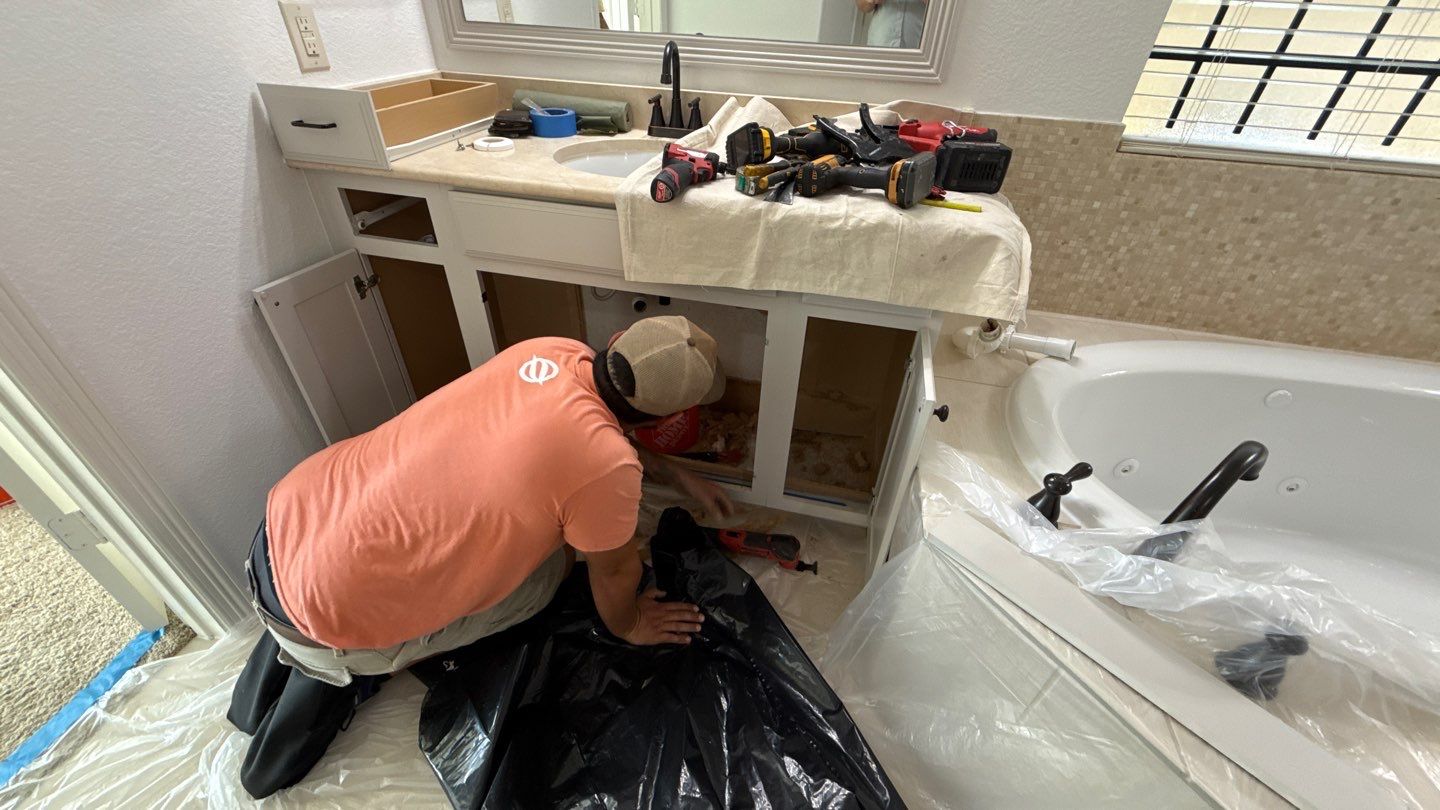
Scenario: A homeowner notices water pooling under the kitchen sink. The customer books plumbing repair services online and receives a two-hour arrival window. On arrival, the technician isolates the cabinet water supply and performs a visual inspection to find a corroded trap and a loose supply line. Temporary measures stop the leak, and a camera inspection of the drain reveals root intrusion 20 feet into the lateral line, increasing the scope to sewer repair. The technician provides a written estimate for both immediate faucet/trap repair and scheduled sewer line repair, including options for trenchless repair where feasible.
Costs, warranties and certifications
Costs depend on labor, materials and complexity. Simple fixes (faucet cartridge, small patch) are low-cost; sewer work, repiping and water heater replacement are higher. Look for service providers who list licensing, insurance, and warranty terms clearly. Certification from trade organizations and adherence to local building codes provide added assurance; contractors should follow manufacturer instructions and municipal permit requirements when applicable.
Practical tips for homeowners before and after a call
Actionable steps to reduce risk and speed solutions:
- Shut off the main or local valve if a leak is active. This prevents additional damage until professionals arrive.
- Take photos and note when the problem began—these details speed diagnosis and create a useful record for insurance.
- Clear access to the work area and secure pets; this reduces time on site and lowers the chance of delays.
- Request a written estimate and itemized invoice; confirm any warranty coverage for parts and labor before work begins.
Common mistakes and trade-offs
Understanding trade-offs helps make better decisions under stress:
- Waiting to address a small leak: small leaks often become big repairs. The trade-off is paying for an early fix versus facing a costly emergency later.
- Choosing the lowest bid without verifying credentials: cost savings may come with lower workmanship standards or lack of permits; balance price with proof of insurance and references.
- Opting for temporary fixes only: temporary measures save immediate cost but may increase total lifetime expense if the underlying issue is ignored.
- Scheduling non-emergency repairs during a busy season: expect longer wait times; consider off-peak scheduling for planned upgrades.
How to evaluate a service provider
Verify licensing and insurance, request references, check online reviews, and confirm the availability of emergency response if needed. Ask specifically about diagnostic methods (camera inspection, pressure testing), materials used (PEX vs. copper vs. galvanized), and whether permits will be obtained for work requiring inspections.
Core cluster questions (for internal links or future articles)
- How to detect hidden water leaks in walls and ceilings
- What to expect during a sewer line camera inspection
- When to replace a water heater vs. repair it
- How trenchless pipe repair compares to traditional excavation
- Steps for filing an insurance claim after a plumbing-related water loss
One authoritative resource on water efficiency and leak awareness is the EPA's Fix a Leak guidance, which outlines steps to find and fix household leaks and the benefits of early leak detection: EPA — Fix a Leak Week.
Next steps: preparing to book plumbing repair services
Before booking, gather the property address, photos, a description of the issue, and any recent maintenance history. Confirm service hours, emergency response, and warranty terms. Request a written estimate and ask whether permits are required. If the situation is an active leak or flooding, prioritize immediate mitigation—shut off water sources and arrange a fast response.
Frequently Asked Questions
How quickly can plumbing repair services be scheduled?
Scheduling depends on urgency: emergency calls often get same-day or 24-hour response, while routine repairs and installations may be scheduled within several days. Confirm response windows when booking.
What should be included in a written plumbing repair estimate?
An estimate should include scope of work, parts and labor breakdown, timeline, warranty terms, permit responsibilities, and clear cancellation or change-order policies.
Is hydro-jetting safe for all drain types?
Hydro-jetting is effective for heavy buildup and root intrusion but may not be appropriate for older, fragile pipes. Confirm pipe material and condition with a camera inspection before choosing hydro-jetting.
When is repiping necessary instead of a localized repair?
Repiping is advisable when multiple failures, widespread corrosion, or incompatible materials (e.g., old galvanized steel) are present. A cost-benefit analysis should include remaining useful life, recurring repairs, and potential water quality issues.
What are common signs of a hidden sewer line problem?
Slow drains throughout the property, foul odors, wet spots in the yard, and recurring backups are common indicators. A camera inspection provides definitive diagnosis before major repairs are planned.