How Visual Calm Begins with Better Furniture Decisions
-

- September 02nd, 2026
- 2,577 views
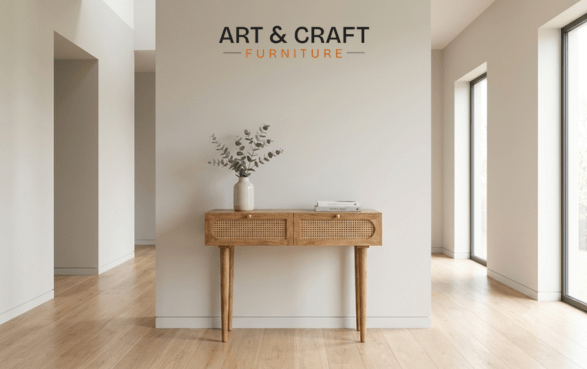
Some rooms make you want to sit down and stay a while. Others, despite being expensive or well decorated, leave you feeling slightly on edge without knowing why. The difference usually has nothing to do with color trends or how much was spent. It comes down to visual calm, and that calm starts with the furniture decisions made long before anyone notices the details.
Homeowners exploring wooden furniture in Dubai are often searching for more than just a table or a cabinet. They are looking for pieces that bring a sense of order and quiet confidence into a home, something that furniture arrangement and material choice can genuinely deliver when done with intention.
This article breaks down how furniture, more than any other design element, shapes whether a room feels calm or chaotic.
What Actually Creates Visual Calm in a Room?
Visual calm comes from consistency, not emptiness. A room does not need to be sparse to feel peaceful. It needs repeated materials, aligned proportions, and enough breathing space around each piece so the eye is not forced to jump between competing shapes and colors.
Wood plays a particularly important role here. Natural wood grain has a quiet, organic rhythm that the eye reads as calming, especially compared to high gloss or heavily patterned surfaces. This is one reason wooden furniture continues to anchor so many calm interiors, from minimalist apartments to warmer, more traditional homes.
Why Does Clutter Feel More Stressful Than People Expect?
Visual clutter forces the brain to process more information at once, which studies in environmental psychology have linked to increased cortisol and reduced ability to focus. A room with too many competing furniture styles, finishes, or shapes creates this same low level stress, even if every individual piece is attractive on its own.
The Role of Wood Tones in Calm Interiors
Not all wood tones create the same emotional response. Lighter woods like oak and ash tend to make spaces feel open and airy, which works well in smaller rooms or spaces with limited natural light. Darker woods like walnut and mahogany bring warmth and grounding, often suited to larger rooms or spaces meant for relaxation, like bedrooms and reading corners.
Should All Wood Furniture in a Home Match Exactly?
No, and this is a common misconception. Matching every wood tone exactly can actually make a room feel flat and showroom like. What matters more is tonal harmony, meaning the undertones work together even if the exact shades differ slightly. A warm walnut dining table can sit comfortably in a home with lighter oak flooring, as long as both share similar warm undertones rather than clashing warm and cool tones.
Furniture Arrangement Matters More Than Furniture Choice
Even the most beautiful pieces can create visual chaos if arranged poorly. Good furniture arrangement follows a few consistent principles that experienced designers rely on.
- Anchor each room around one clear focal point, such as a fireplace, a media wall, or a dining table
- Leave consistent negative space around major pieces rather than pushing everything against walls
- Align furniture edges where possible to create a sense of order
- Avoid placing too many small accent pieces in a single sightline
How Much Empty Space Should a Room Have?
Designers often reference the principle that furniture should occupy roughly 60 to 70 percent of a room's usable floor area, leaving the remainder as clear circulation and visual breathing room. Rooms that exceed this tend to feel cramped, while rooms well under it can feel unfinished.
Why Craftsmanship Contributes to a Calmer Home
Mass produced furniture often relies on busy detailing, ornate hardware, or exaggerated shapes to stand out. Pieces built through genuine Art & Craft Furniture traditions tend to take the opposite approach, letting natural material quality and refined proportions speak for themselves rather than relying on decoration.
This restraint is not accidental. Traditional craftsmanship techniques, such as hand joined wood frames and naturally finished surfaces, produce furniture with subtle texture and quiet detail rather than loud ornamentation. The result is furniture that adds warmth and character to a room without disrupting its sense of calm.
Practical Steps to Bring Visual Calm Into Your Own Home
- Choose two to three wood tones maximum per room and keep undertones consistent
- Select one focal furniture piece per space and build supporting items around it
- Leave clear walking paths of at least 30 inches around major furniture
- Limit patterned textiles to one or two per room to avoid visual competition
- Prioritize natural materials like solid wood over heavily lacquered or synthetic finishes
Frequently Asked Questions
What is the fastest way to make a cluttered room feel calmer?
Start by removing anything that does not serve a clear function or hold real value, then reassess furniture arrangement to ensure a single focal point and open walking paths.
Does wooden furniture work in modern, minimalist homes?
Yes, wooden furniture pairs well with minimalist design when kept simple in form and limited to one or two tones, allowing the natural grain to add warmth without competing with clean lines.
How many furniture pieces are too many for one room?
There is no fixed number, but if a room requires more than three or four major pieces to function, it is worth reassessing whether every item is necessary or if some belong elsewhere.
Can mixing wood finishes ruin a room's look?
Mixing finishes only becomes a problem when undertones clash, such as combining very warm orange toned wood with very cool gray toned wood in the same sightline.
Is calm interior design the same as minimalist design?
Not necessarily. Calm design focuses on consistency, proportion, and material harmony, while minimalism specifically emphasizes reducing the number of objects. A calm room can still be warm and layered as long as it stays visually coherent.
Final Thoughts
Visual calm is not something added to a room at the end through accessories or lighting. It begins with the earliest furniture decisions, from wood tone selection to how each piece is arranged within a space. When those decisions are made with consistency and restraint, a home naturally feels quieter, more grounded, and easier to simply exist in every day.