Future of Recruitment: Key Trends, Technologies, and Strategies for Hiring Success
-

- February 23rd, 2026
- 1,187 views

👉 Best IPTV Services 2026 – 10,000+ Channels, 4K Quality – Start Free Trial Now
The future of recruitment is shaped by rapid technological change, evolving workforce expectations, and shifting regulatory priorities. Employers, talent acquisition teams, and job seekers are adapting to new tools such as artificial intelligence and skills-based hiring models while balancing concerns about fairness, privacy, and long-term reskilling.
- AI and automation will streamline sourcing and screening but require explainability and bias mitigation.
- Skills-based hiring and internal mobility will complement traditional degree-based approaches.
- Remote and hybrid work models will expand candidate pools and reshape employer branding.
- Data privacy, regulation, and assessment validity will influence tool adoption and candidate trust.
Future of recruitment: major trends to watch
Several converging trends are defining the near-term future of recruitment. Automation and machine learning improve candidate matching and workflow efficiency, while skills-based hiring challenges traditional credentials. Remote and hybrid work structures broaden geographical talent pools. At the same time, regulators and professional bodies emphasize fairness, data protection, and transparency in selection processes.
AI, automation, and candidate experience
Recruitment automation can reduce time-to-hire through resume parsing, chat-based candidate engagement, and automated interview scheduling. Machine learning models can surface candidates whose skills and experience align with job requirements. However, explainability, auditability, and anti-bias safeguards are increasingly important as organizations rely on algorithmic decision-making. Improving candidate experience—clear communication, timely feedback, and accessible application processes—remains critical for employer reputation.
Skills-based hiring and assessments
Skills-first approaches prioritize demonstrable capabilities over formal credentials. Practical assessments, micro-credentials, and project-based evaluations help identify transferable skills and reduce credential inflation. Employers that integrate validated assessments and structured interviews can improve predictive validity and reduce adverse impact.
Remote work, gig economy, and talent markets
Remote and hybrid models expand the potential candidate pool across regions and time zones, requiring adjustments to onboarding, compensation frameworks, and legal compliance. The growth of contract and gig work increases the need for flexible workforce planning and platforms to manage contingent talent. Labor market analytics and workforce planning tools help organizations forecast demand and identify skill gaps.
Technology, ethics, and regulation
Privacy, data governance, and compliance
Collecting and processing candidate data raises obligations under privacy laws and sectoral regulations, including requirements for consent, data minimization, and the right to explanation in automated decisions. Global frameworks such as the European Union's GDPR affect cross-border recruitment practices. Organizations are advised to establish clear data governance policies and vendor due diligence to maintain compliance and candidate trust.
Mitigating bias and ensuring fairness
Evidence-based hiring practices include structured interviews, validated assessments, and ongoing audits of selection tools. Bias can enter at multiple stages—from sourcing language to algorithmic models—so continuous monitoring and diverse design teams are important. Partnerships with academic researchers and adherence to standards from professional associations support defensible selection practices.
Practical strategies for employers and talent teams
Adopt a blended approach to sourcing and assessment
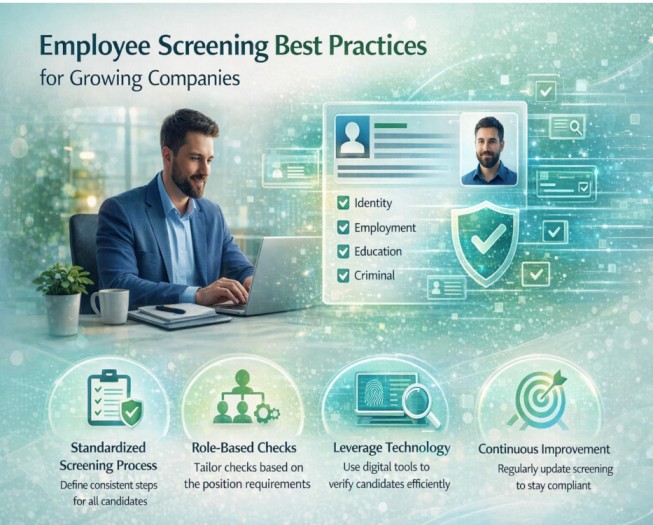
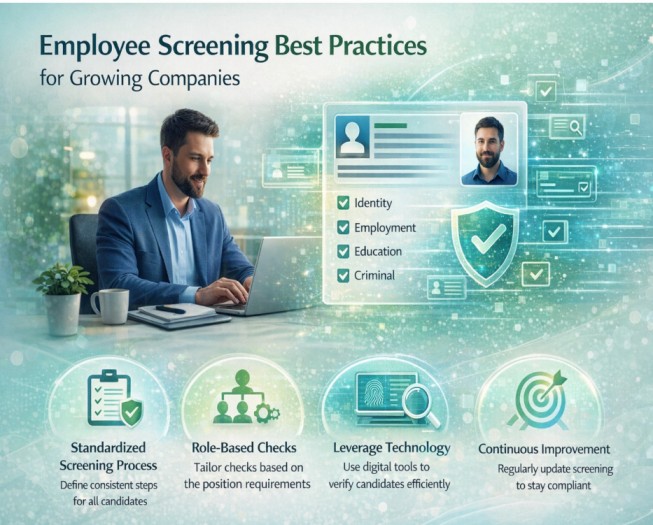
Combine automated screening for scale with human review for contextual judgment. Use standardized rubrics and work-sample tests to evaluate core competencies and reduce subjectivity. Encourage internal mobility by mapping skills across roles and offering clear career pathways.
Invest in transparency and candidate communication
Publish clear job descriptions focused on skills and outcomes. Communicate assessment steps, timelines, and feedback mechanisms. Transparent processes improve candidate experience and increase acceptance rates.
Focus on reskilling and long-term workforce planning
Anticipate skill shifts by investing in learning pathways and recognizing micro-credentials. Workforce analytics can identify high-impact reskilling opportunities and optimize recruitment spend.
Measuring impact and continuously improving
Key metrics and evaluation
Track time-to-hire, quality-of-hire, diversity metrics, candidate satisfaction, and retention. Evaluate predictive validity of assessment tools and run regular audits for disparate impact. Use pilot programs and A/B testing when deploying new technologies to gather evidence before broad rollout.
Collaboration with regulators and researchers
Engaging with external bodies—such as industry associations, academic institutions, and labor regulators—helps align recruitment practices with evolving standards and research. Resources from organizations like the International Labour Organization provide labor market insights and policy guidance: International Labour Organization.
Looking ahead: a balanced, evidence-driven future
The promising future of recruitment blends technology with human judgment, places skills and potential at the center of hiring decisions, and emphasizes fairness, privacy, and continuous learning. Organizations that adopt transparent, validated processes and invest in candidate experience and reskilling are likely to be more adaptable in shifting labor markets.
FAQ
What is the future of recruitment and which technologies will be most influential?
The future of recruitment will be shaped by artificial intelligence for candidate matching, automation for administrative tasks, skills-based assessment platforms, and analytics for workforce planning. Priorities include explainability of AI systems, assessment validity, and privacy compliance.
How can organizations reduce bias in hiring?
Use structured interviews, validated assessments, blind review procedures where appropriate, and continuous monitoring of hiring outcomes. Include diverse stakeholders in tool selection and perform routine audits to detect disparate impact.
Will remote work change recruitment permanently?
Remote and hybrid work models have broadened candidate pools and altered expectations around flexibility. Long-term effects include more distributed teams, greater emphasis on asynchronous collaboration skills, and the need for robust onboarding and remote culture practices.
How should candidate privacy be protected during recruitment?
Minimize the collection of personal data, obtain informed consent, ensure secure storage, and be transparent about how data is used. Comply with applicable privacy laws and conduct vendor due diligence for third-party tools.