8 Easy Gardening Journal Templates and Tracking Ideas
-
- May 23rd, 2026
- 3,261 views

FREE SEO Topical Map Generator: Find Your Next Content Ideas
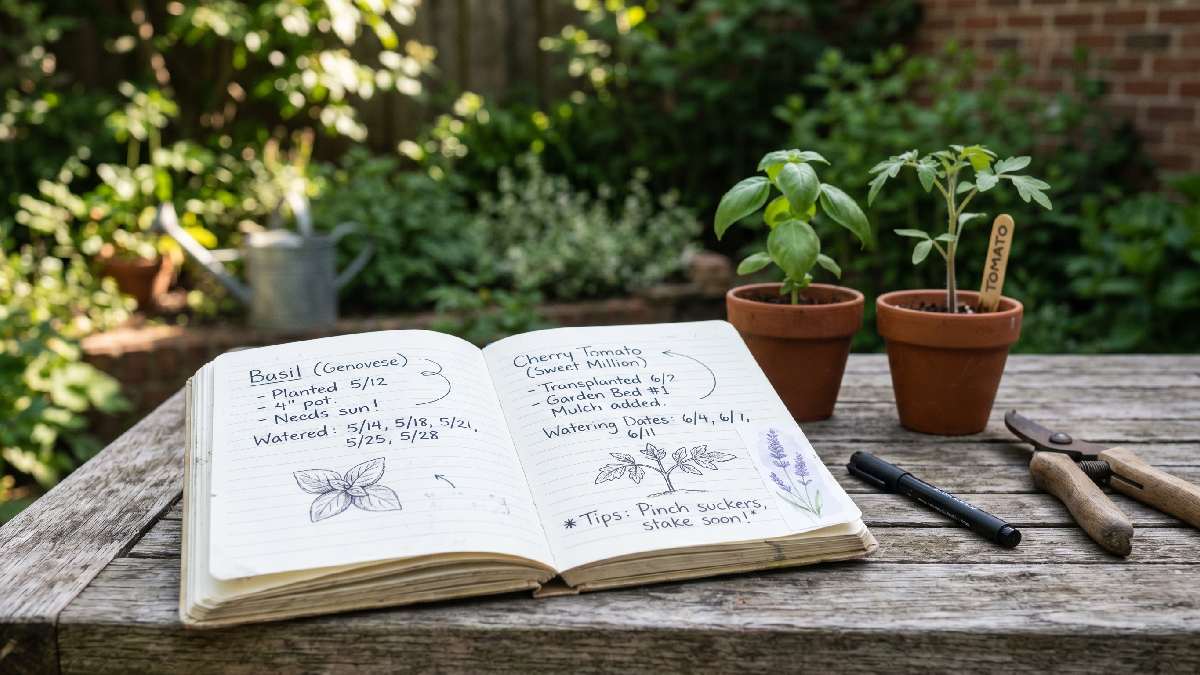
A gardening journal is a simple way to keep track of what happens in your garden over time. Many beginners plant seeds and just hope everything works out, but later they forget watering dates, fertilizer use, or even plant names. I did the same in the beginning. One plant grew well, another suddenly dried, and honestly, I had no idea why.
That’s when I started writing small notes. Nothing fancy, just basic details in a notebook. A gardening journal helps you notice patterns, seasonal changes, pest problems, and plant growth slowly. It feels simple, almost casual, but over time, it actually makes gardening easier and more organized.
What Is a Gardening Journal?
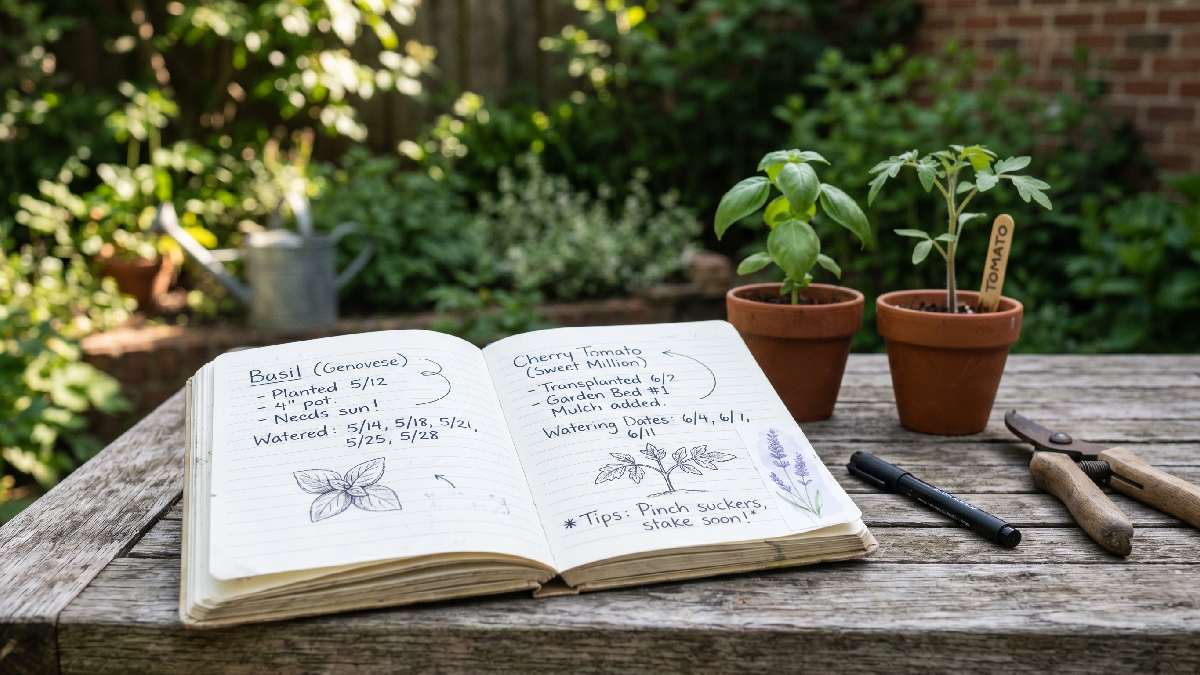
A gardening journal is a simple record in which you note what happens in your garden. It can be a notebook, diary, or phone app, nothing fancy needed. Many beginners think they will remember everything, but later things get confusing. I also forgot watering dates and plant names at the start, which created a small mess in my garden routine.
Writing small notes gradually changed that habit. A gardening journal helps track plant growth, soil conditions, weather changes, and basic care work. It looks simple on paper, but over time, it becomes useful for real gardening decisions and learning patterns.
Why Gardeners Keep Journals
Gardeners keep journals to understand what actually works in their garden. Plants behave differently in every season; small changes matter more than people think. I once used a fertilizer and forgot the name after a few days, and then I could not repeat the same result again. That moment made journaling important for me.
It helps track watering, growth speed, pest issues, and even small plant reactions. Some people write short notes, others add details. Style does not matter much. What matters is consistency. Slowly, those notes turn into an experience that you can actually use for better plant care.
Physical vs Digital Gardening Journals
Physical gardening journals feel very natural, just pen and notebook in hand. You can write quickly while standing near plants, no setup needed. I still use a small notebook sometimes; it feels easy and direct. Digital journals work in a different way, more organized and structured. You can add photos, reminders, and even weather updates in one place.
Both methods are useful, depending on habit and comfort. Some gardeners switch between both, using a phone for quick notes and a notebook for deeper tracking. Format is not important here; regular writing is what actually improves gardening understanding over time.
What Can You Track in a Gardening Journal?
A gardening journal can include many small details from daily garden life. People usually write planting dates, watering routine, fertilizer use, and weather conditions. I started adding pest notes after forgetting when insects first appeared on plants. That helped me control them better later. Some gardeners track soil changes, seed types, and growth stages week by week.
Harvest dates also help in planning the next cycles. Even small things like leaf color or plant height can be useful later. It does not need a perfect structure, just simple observations that slowly build a clear picture of your garden journey over time.
Benefits of Keeping a Gardening Journal
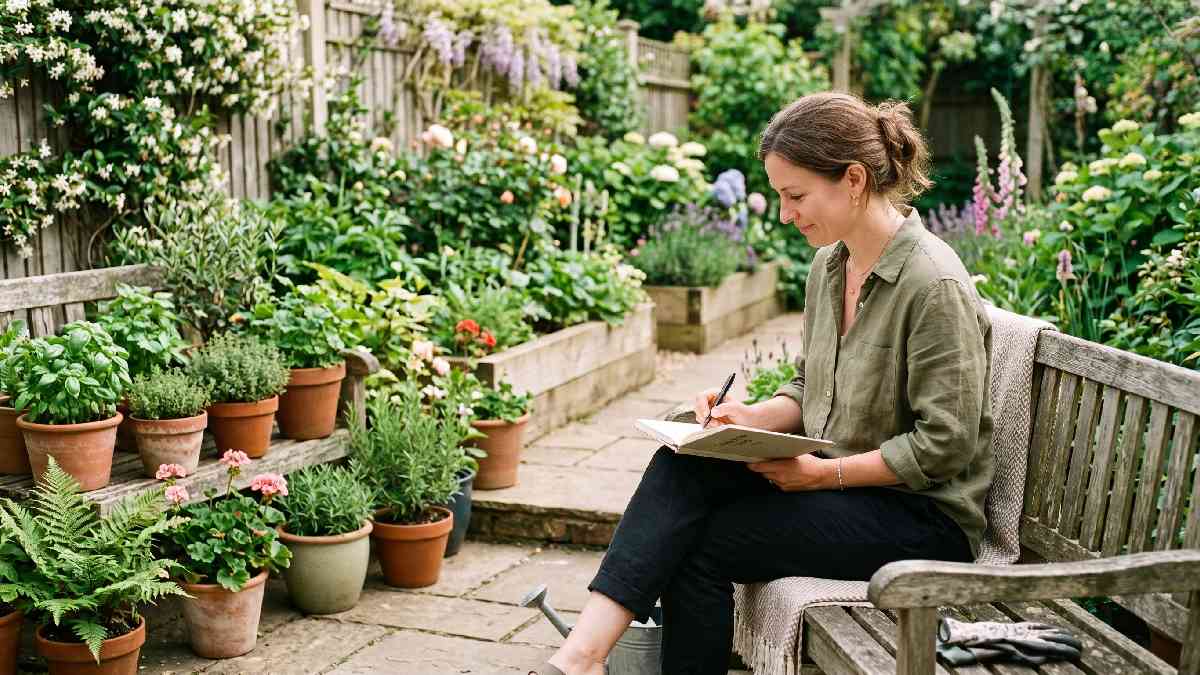
Keeping a gardening journal gives real practical benefits for anyone who grows plants at home. It makes gardening less random and more understandable. I started noticing small changes in my garden only after I began writing things down. Before that, everything felt like guesswork. A journal helps you see patterns in plant behavior, mistakes, and care routines.
It also keeps your gardening history in one place. Over time, it feels like a personal record of your garden journey. Not perfect writing needed, just simple notes that slowly turn into useful information for better plant care decisions.
Track Plant Growth and Progress
A gardening journal helps you simply track plant growth. You can write how plants change in height, leaf size, and color over time. I remember one plant growing faster than others, and I had no clue why at first. After noting the details, the reason became clearer slowly.
Small weekly notes make big differences later. You start seeing patterns that were invisible before. Weak plants and strong plants become easier to compare. It feels basic while writing, but later becomes a full-growth story of your garden that actually helps in better care decisions.
Improve Watering and Fertilizing Schedules
Watering and fertilizing become more balanced with a gardening journal. You note down every watering day and fertilizer use, even small changes. I used to forget these details and sometimes repeat mistakes like overwatering the same plants. After writing things, my routine got more stable, not perfect, but better.
Fertilizer tracking also stops confusion about what was used earlier. Plants respond better when care is consistent. A journal slowly fixes guesswork and turns it into simple routine data. It does not feel technical, just a habit that quietl