Gated Communities vs Independent Homes: Which Property Choice Fits Modern Living?
-

- April 28th, 2026
- 5,781 views

FREE SEO Topical Map Generator: Find Your Next Content Ideas
When choosing a home, the debate around Gated Communities vs Independent Homes has become more relevant than ever. Buyers today are not just investing in property—they are investing in lifestyle, security, and long-term value. At Pattem Estates, we’ve observed a clear shift in buyer priorities driven by urban growth, safety concerns, and evolving family needs. This guide breaks down both options to help you make a well-informed decision aligned with your goals.
Understanding Gated Communities and Independent Homes
What Are Gated Communities?
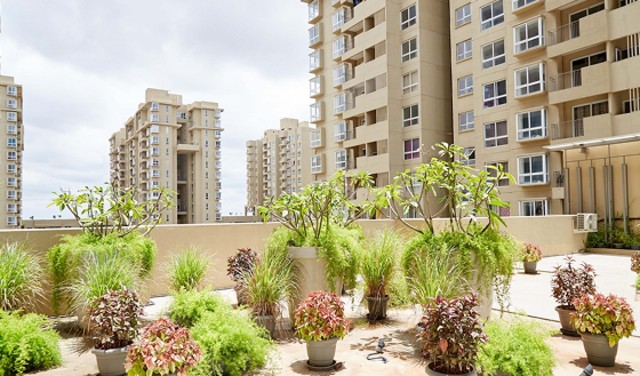
Gated communities are residential developments with controlled access, shared amenities, and a planned infrastructure. These communities often include parks, clubhouses, gyms, and security systems, offering a structured living environment.
What Are Independent Homes?
Independent homes, also known as standalone houses or villas, provide full ownership of both land and building. They offer privacy, flexibility in design, and independence from community rules or shared facilities.
Gated Communities vs Independent Homes: Key Differences
1. Security and Safety
Security is a major factor influencing property decisions. Gated communities offer 24/7 surveillance, CCTV monitoring, and restricted entry points, making them ideal for families and senior citizens.
Independent homes, on the other hand, require individual security arrangements. While they offer autonomy, ensuring safety can be more challenging without centralized systems.
2. Lifestyle and Amenities
Modern homebuyers often prioritize lifestyle features. Gated communities provide access to shared amenities such as swimming pools, fitness centers, landscaped gardens, and recreational spaces.
Independent homes lack these built-in facilities unless you invest separately. However, they offer the freedom to customize your space based on personal preferences.
3. Privacy and Space
Independent homes excel in offering privacy. There are no shared walls, and homeowners enjoy greater control over their environment.
In contrast, gated communities may have closer proximity between houses or apartments, which can limit personal space despite offering a vibrant social environment.
Financial Considerations and Investment Value
Initial Cost and Maintenance
Gated communities often come with higher upfront costs due to added amenities and infrastructure. Additionally, monthly maintenance fees are required to sustain shared services.
Independent homes may have lower recurring costs but can demand higher maintenance expenses over time, especially for repairs and upgrades.
Resale Value and Appreciation
Properties in gated communities tend to have better resale value due to demand for secure and amenity-rich living spaces.
Independent homes can also appreciate significantly, particularly if located in prime or developing areas. However, their resale depends heavily on location and property condition.
Impact of Urbanization on Property Choices
Urban expansion has reshaped housing preferences. With increasing population density, gated communities are becoming more popular due to efficient land use and integrated living.
Independent homes are gradually shifting to suburban or peripheral areas where land availability is higher. Buyers must consider commute times, infrastructure development, and future growth when making a decision.
Legal and Ownership Aspects
Gated Communities
Ownership typically includes the property unit and shared rights to common areas. Legal frameworks are usually well-defined, with developers managing documentation and compliance.
Independent Homes
Ownership is more straightforward but requires thorough verification of land titles, approvals, and zoning regulations. Buyers must exercise due diligence to avoid legal complications.
Sustainability and Environmental Impact
Sustainability is gaining importance in real estate decisions. Gated communities often incorporate eco-friendly practices such as rainwater harvesting, waste management systems, and green landscaping.
Independent homes provide flexibility to adopt sustainable solutions, but implementation depends entirely on the homeowner’s initiative.
Latest Trends in Real Estate Preferences
Smart Living Solutions
Technology integration is a growing trend. Gated communities are adopting smart home systems, app-based security, and automated utilities.
Independent homeowners are also embracing smart technology, but installation and maintenance are self-managed.
Community-Centric Living
Post-pandemic, there’s increased interest in community living. Gated communities foster social interaction and shared experiences, making them appealing for families.
Independent homes cater to those who prefer solitude and personalized living spaces.
How to Choose the Right Option
Assess Your Lifestyle Needs
If you value convenience, security, and community engagement, gated communities may be the right fit.
If privacy, customization, and independence are priorities, an independent home could be more suitable.
Evaluate Long-Term Goals
Consider your investment horizon, family size, and future plans. Gated communities often provide better rental yields, while independent homes offer long-term asset value.
Location Matters
Proximity to workplaces, schools, healthcare, and transport networks plays a crucial role. Both options can be advantageous depending on the location.
Conclusion
The choice between Gated Communities vs Independent Homes ultimately depends on your lifestyle preferences, financial capacity, and long-term vision. Each option has its strengths, and understanding these nuances is key to making a smart investment.
For expert guidance and tailored property solutions, explore opportunities with Pattem Estates and make a decision that aligns with your future.