Ghostwriting: The Quiet Craft Behind Many Books
-

- Published Updated
- 35 views

Many people assume that the name on a book's cover belongs to the person who typed every word. Often, that's true. But a surprising number of books, from celebrity memoirs to business guides and even some novels, are shaped with the help of a ghostwriter. Ghostwriting is one of the oldest and least discussed parts of the publishing world, and understanding how it works can change the way you think about authorship, storytelling and collaboration.
What Is Ghostwriting?
Ghostwriting is the practice of writing content that is officially credited to someone else. The ghostwriter does much of the drafting, structuring and polishing, while the named author provides the ideas, experiences, knowledge or story. In most cases, the ghostwriter's name doesn't appear on the cover, and they may never be publicly acknowledged at all.
This isn't a new idea. Speechwriters have been putting words into the mouths of leaders for centuries, and many historical figures relied on secretaries and scribes to shape their letters and memoirs. Today, ghostwriting covers everything from books and articles to blog posts, speeches and social media content.
Why Do People Use Ghostwriters?
There are plenty of reasons someone might work with a ghostwriter, and very few of them have anything to do with a lack of talent.
The most common reason is time. A surgeon, a business owner or a retired athlete may have a remarkable story to share, but they don't have hundreds of spare hours to spend learning the craft of long-form writing. A ghostwriter allows them to share what they know without putting their life on hold.
Another reason is skill. Being an expert in a subject doesn't automatically make someone a skilled writer. Writing a book requires structure, pacing, clarity and a sense of how readers think. A ghostwriter brings those skills to the table, helping turn raw knowledge into something readable.
Some people simply feel too close to their own story. Memoirs in particular can be emotionally difficult to write, and an outside perspective can help shape painful or complicated experiences into a narrative that feels honest without becoming overwhelming.
How the Process Usually Works
While every ghostwriting project is different, most follow a similar pattern.
It typically begins with conversations. The ghostwriter interviews the author, sometimes over many sessions, to understand their story, opinions, tone and goals. These interviews are often recorded and transcribed so that the writer can return to the author's exact words and phrasing.
Next comes planning. The ghostwriter and author agree on an outline, which acts as a map for the book. This step matters more than many people realise, as a strong outline prevents a book from wandering off course later.
Then the drafting begins. The ghostwriter writes chapters, shares them with the author and gathers feedback. Good collaboration at this stage is essential. The author should feel free to say, "That doesn't sound like me," and the writer should be willing to adjust until it does.
Finally, the manuscript goes through revisions and editing. Depending on the arrangement, the ghostwriter may also help with proofreading, formatting or preparing the book for publication.
Capturing Someone Else's Voice
The real skill of a ghostwriter lies in disappearing. A well-ghostwritten book should sound exactly like the person whose name is on the cover. Readers should never feel that a stranger is speaking.
To achieve this, experienced ghostwriters pay close attention to how their clients talk. Do they use short, punchy sentences or long, thoughtful ones? Do they crack jokes, use local expressions or tell stories through examples? Do they swear, hedge or speak with total confidence? These small details make a voice feel authentic.
This is why the interview process is so important. A ghostwriter isn't just collecting facts; they're learning how a person thinks and expresses themselves. Writers looking into ghostwriting services in Canada, or anywhere else, will often find that the best collaborators spend more time listening than writing in the early stages of a project.
Is Ghostwriting Honest?
This is one of the most common questions people ask, and it's a fair one. If someone didn't write every word, is it misleading to put their name on the cover?
Most people in publishing see it differently. The ideas, experiences and knowledge in the book belong to the named author. The ghostwriter is closer to a skilled craftsperson, helping shape material that already exists. In much the same way, a film director doesn't operate every camera, and an architect doesn't lay every brick, yet their vision defines the final result.
That said, transparency varies. Some books openly credit a co-writer with phrases like "with" or "as told to" on the cover. Others mention the writer in the acknowledgements. Some keep the arrangement entirely private. Each approach is common and generally accepted, though readers' expectations can differ depending on the type of book.
Fiction is a slightly more debated area. Readers of novels often feel a strong personal connection to the author's imagination, so ghostwritten fiction can raise more questions than ghostwritten non-fiction. Even so, ghostwriting in fiction has a long history, particularly in popular series where several writers contribute under one name.
Common Types of Ghostwritten Books
Ghostwriting appears across many genres. Some of the most common include:
Memoirs and autobiographies. These are perhaps the best-known examples, especially those written by public figures, athletes and entertainers.
Business and leadership books. Entrepreneurs and executives often use books to share their expertise and build credibility, and many work with writers to bring their ideas together.
Self-help and personal development. Coaches, therapists and speakers frequently turn their methods into books with the help of a professional writer.
Family histories. Some people hire writers to record the stories of parents or grandparents, creating something to pass down through generations.
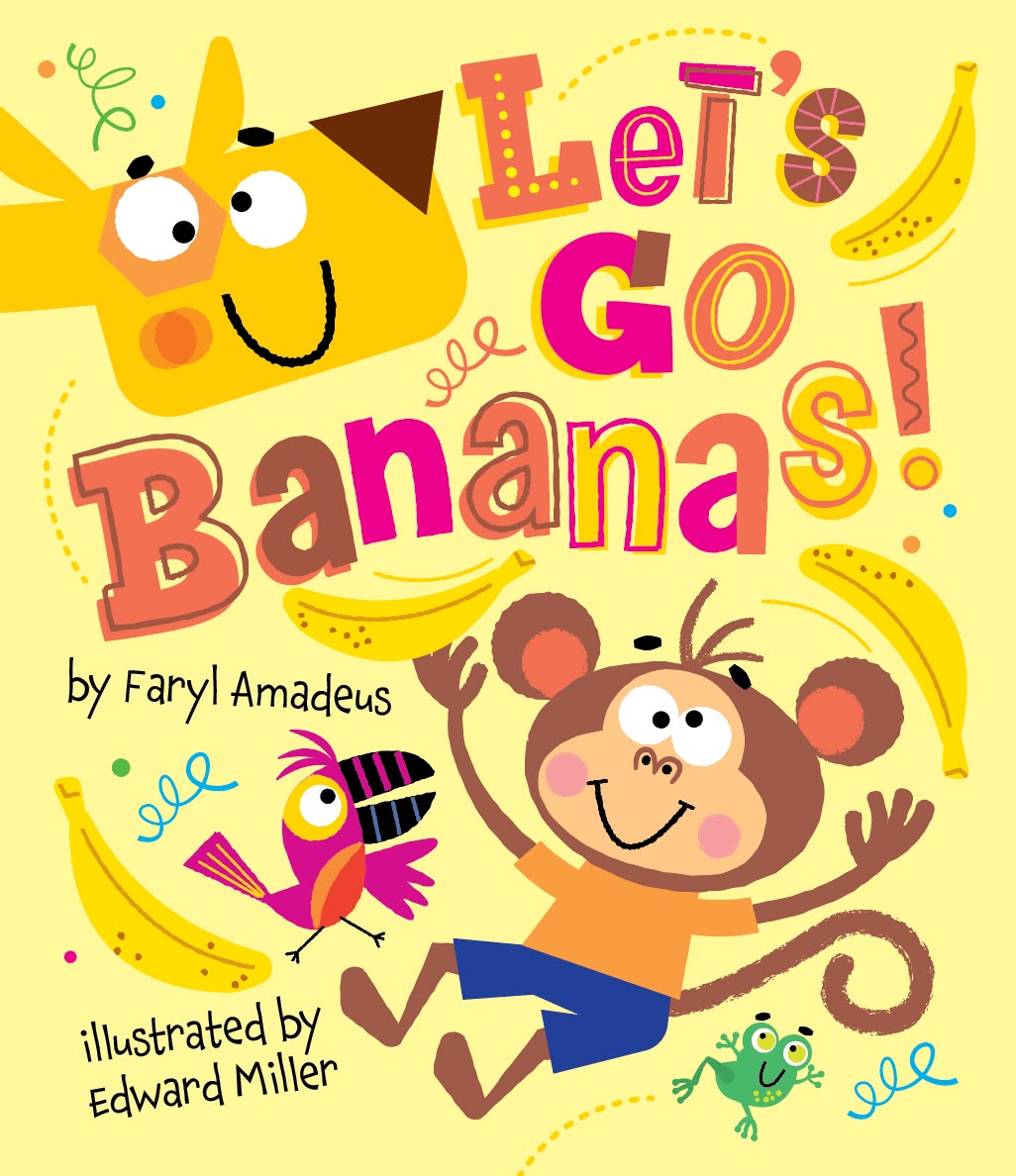
Fiction. From children's books to thrillers, some novels are developed with the support of a ghostwriter, particularly when an author has a concept but needs help bringing it to life.
What Makes a Good Ghostwriting Relationship?
A successful ghostwriting project depends heavily on trust and communication. Both sides need to be clear from the start about expectations, timelines, credit, ownership and payment.
Ownership is especially important. In most arrangements, the named author owns the rights to the finished book, but this should always be written into a contract. Authors should also understand how revisions work, how many rounds are included and what happens if the project changes direction.
It's also worth looking at a writer's experience within a particular genre. Someone who excels at business books may not be the right fit for a fantasy novel, and vice versa. Reading samples, asking questions and having an open conversation before starting can save a great deal of frustration later.
Many writers and companies, such as BookWriters.ca, publish information about how the process works, which can help first-time authors understand what to expect before they commit to anything.
The Bigger Picture
Ghostwriting reminds us that books are rarely created in complete isolation. Even authors who write every word themselves rely on editors, beta readers, designers and publishers to bring their work to life. Ghostwriting is simply a more visible example of the collaboration that sits behind most published work.
For readers, knowing about ghostwriting doesn't need to make a book feel less genuine. The stories, lessons and experiences still come from real people. For aspiring authors, it opens up an important possibility: you don't need to be a professional writer to share something meaningful with the world.
In the end, ghostwriting is about helping voices be heard. Whether it's a business leader's hard-won lessons, a grandmother's wartime memories or a first-time novelist's big idea, the goal is the same: to turn a story into a book that readers will want to pick up and finish.