Gillian McKeith–Inspired Healthy Recipes for Sustainable Weight Loss
-

- Published Updated
- 2,300 views
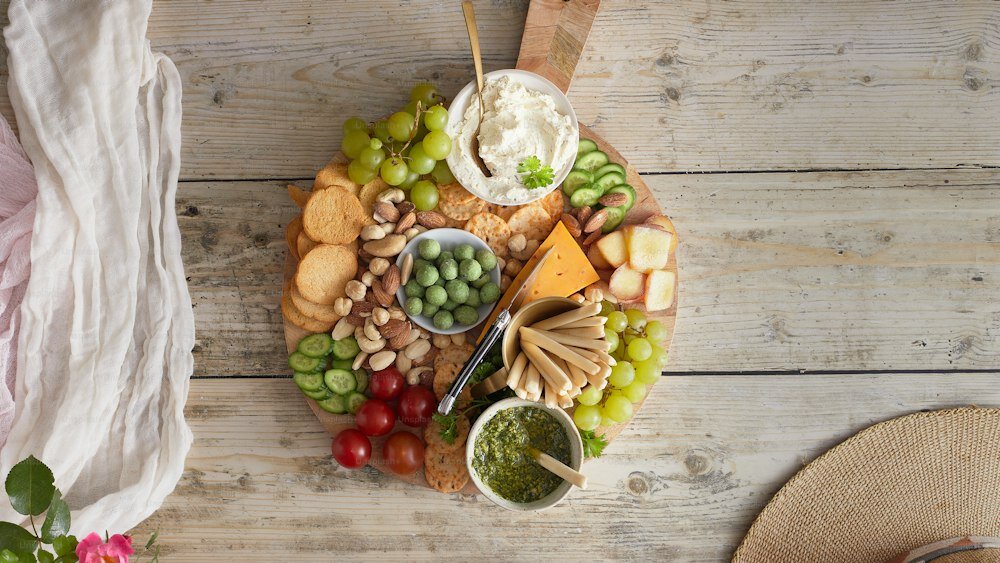
The following guide outlines practical approaches to meal planning and simple dishes inspired by the Gillian Mckeith healthy diet recipes for weight loss approach. It emphasizes whole foods, balanced portions, and easy meal-prep strategies that can fit a range of lifestyles while noting general nutrition principles supported by public health organizations.
- Focus on whole fruits, vegetables, lean proteins, and whole grains.
- Use simple recipes that combine fiber and protein to support fullness.
- Plan and prep meals to reduce impulse eating and reduce food waste.
- Monitor portion sizes and overall energy intake rather than chasing single "superfoods."
Gillian Mckeith healthy diet recipes for weight loss: core principles
Balanced, whole-food emphasis
Recipes associated with healthier weight outcomes typically center on whole foods: vegetables, fruits, legumes, whole grains, lean proteins (e.g., fish, poultry, beans), nuts and seeds in moderation. Emphasizing minimally processed ingredients increases fiber and micronutrient intake while helping control energy density.
Portion control and meal structure
Structuring meals around vegetables and a source of protein can improve satiety. Typical meal structure places non-starchy vegetables as a large component, a modest portion of whole grains or starchy vegetables, and a moderate protein portion. Attention to portion sizes and overall daily energy intake is more predictive of weight change than any single ingredient.
Practical flavoring and substitutions
Use herbs, spices, citrus, and vinegars for flavor instead of added sugar or excessive salt. Swap refined grains for whole-grain alternatives and choose cooking methods like steaming, grilling, roasting or light sautéing with small amounts of healthy oils.
Simple recipes and meal ideas
1. Green vegetable soup (makes 4 servings)
Ingredients: mixed greens (spinach, kale), broccoli, onion, garlic, low-sodium vegetable stock, a small potato or parsnip for body, black pepper, lemon juice. Method: Sauté onion and garlic, add chopped vegetables and stock, simmer until tender, blend until smooth. Serve with a spoonful of plain yogurt or a drizzle of olive oil for added satiety.
2. Lentil and roasted vegetable bowl
Ingredients: cooked green or brown lentils, roasted carrots and cauliflower, baby spinach, tahini-lemon dressing. Assemble warm lentils and roast veggies over greens and drizzle dressing. This dish combines fiber and plant protein for fullness.
3. Simple grilled fish with herb salad
Method: Season fish fillet with lemon, pepper and chopped herbs; grill or bake. Serve alongside a salad of mixed leaves, cucumber, cherry tomatoes and a light vinaigrette. Add a small portion of quinoa or a baked sweet potato if additional energy is needed.
Meal planning, shopping and prep tips
Batch cooking and portioning
Cook grains and legumes in bulk at the start of the week. Roast a tray of mixed vegetables and store in the refrigerator for quick bowls or soups. Use airtight containers to portion lunches and snacks.
Smart shopping list
- Fresh vegetables (leafy greens, cruciferous vegetables, root vegetables)
- Seasonal fruit (for snacks or breakfast)
- Whole grains (brown rice, quinoa, oats)
- Legumes (lentils, beans) and lean proteins
- Healthy fats (olive oil, nuts, seeds)
- Herbs, spices and low-sodium broths
Timing and habits
Consistent meal timing and mindful eating practices—such as eating without screens and paying attention to hunger cues—can support calorie awareness and reduce unplanned snacking. Hydration is also important; plain water and unsweetened beverages are recommended in place of sugary drinks.
Evidence and safety considerations
What research and public health guidance say
Public health agencies such as the World Health Organization and national health services emphasize balanced diets, reduction of processed foods high in added sugars and saturated fats, and regular physical activity for weight management. For practical guidance on balanced eating patterns, see the NHS Eat Well resources for evidence-based dietary recommendations: NHS - Eat Well.
Individual needs and professional advice
Nutrition needs vary with age, activity level, medical conditions and medications. For personalized advice, seek input from registered dietitians, nutritionists or other qualified health professionals.
Quick week-long sample plan (patterns, not prescriptions)
Focus on three balanced meals a day with one to two planned snacks if needed. Example: vegetable-based breakfast porridge or savory oats; lunch of legume salad or soup with whole grain; dinner of lean protein plus roasted vegetables. Snacks can include fruit with a small handful of nuts or raw vegetables with hummus.
Meal-prep safety and storage
Cool cooked food promptly, store in sealed containers in the refrigerator for up to 3–4 days, and reheat thoroughly. Follow local food safety guidelines for storage times and temperatures.
FAQ
Are Gillian Mckeith healthy diet recipes for weight loss effective?
Recipes that emphasize whole foods, adequate protein and fiber and controlled portion sizes can support weight management for many people. Effectiveness depends on overall energy balance, consistency, and individual metabolic and lifestyle factors.
Can these recipes be adapted for vegetarian or vegan diets?
Yes. Substitute plant proteins such as lentils, beans, tofu or tempeh for animal proteins and include a variety of plant-based foods to meet nutrient needs.
How should portion sizes be determined?
Portion sizes depend on energy needs. A practical approach is filling half the plate with non-starchy vegetables, one quarter with protein and one quarter with whole grains or starchy vegetables, then adjusting portions based on activity level and satiety.
Is exercise necessary with dietary changes?
Regular physical activity supports overall health and helps maintain weight loss, but dietary changes alone can influence weight. Combining both typically yields the best outcomes for long-term weight management.
Where to find more reliable nutrition information?
Look to official public health organizations, accredited academic institutions and registered dietitians for evidence-based guidance. National health services and peer-reviewed nutrition journals are reliable sources.