Unique Gold Earrings: A Guide to Fine Jewelry That Actually Lasts
-

- Published Updated
- 2,486 views
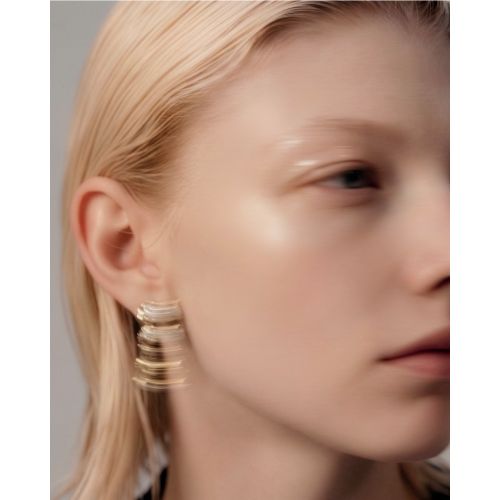
Earrings sit closer to sensitive skin than almost any other piece of jewelry, which makes the difference between fine jewelry and costume pieces more than just a style choice it's a comfort and durability issue too. Here's what actually separates unique, fine jewelry earrings from the mass-produced pairs that tarnish, irritate, or bend out of shape within a year.
The Skin-Deep Difference: Why Gold Purity Matters More Here
Ears are one of the most reactive parts of the body when it comes to metal sensitivity, which is exactly why gold purity matters so much for earrings specifically. Fine Jewelry Earrings made in solid 14k or 18k gold don't carry the same irritation risk as base-metal earrings with a thin gold plating, since there's no lower-quality alloy sitting directly against the piercing.
Gold-plated earrings also tend to show wear fastest around the post and backing the parts that see the most friction often losing their gold layer within months of regular wear, well before the rest of the piece shows any change.
What "Unique" Actually Looks Like in an Earring
A lot of earrings marketed as "unique" are simply a new colorway of an existing mass-produced design. Genuinely unique fine jewelry earrings tend to have a few things in common instead:
- Hand-finished detailing, with subtle variation between pairs rather than machine-stamped uniformity
- Small-batch or made-to-order production, not bulk manufacturing runs
- Distinctive silhouettes, hardware, or settings not commonly found at mainstream retailers
- Mismatched or asymmetrical designs, a growing trend in fine jewelry that mass retailers rarely offer
From Wax to Wearable: How Fine Earrings Are Actually Made
Genuinely handmade earrings typically begin as a hand-sculpted wax model, shaped before being cast in solid gold a process that allows for finer, more distinctive detailing than a stamped mold can achieve. Posts, backings, and hooks are then finished and attached by hand, and any stones are set individually rather than through automated, bulk setting.
This process takes longer than machine manufacturing, which is part of why hand-finished fine jewelry earrings cost more you're paying for the time and skill that goes into each pair, not just the raw materials.
Studs, Hoops, or Drops: Choosing the Right Style
Studs work best for daily wear and layering multiple piercings, since their low profile doesn't catch on hair or clothing.
Hoops offer more visual presence while still being practical for everyday wear, with size and thickness dramatically changing how bold the look reads.
Drop and dangle earrings are typically reserved for more elevated occasions, since their movement and length make them less practical for constant daily wear.
Many fine jewelry collections are designed so these styles can be mixed across multiple piercings — a stud in one hole, a small hoop in another which is part of why unique, small-batch collections tend to offer more mix-and-match flexibility than mass retailers selling matched pairs only.
What to Check Before Buying Fine Jewelry Earrings
- Confirm the gold karat. Look for a clear 14k or 18k designation rather than vague "gold-tone" language.
- Check the post material specifically, even on gold earrings some pairs use gold-plated fronts with a different alloy post, which matters for sensitive ears.
- Ask about the backing type. Push backs, screw backs, and lever backs all offer different levels of security, which matters more for larger or heavier earrings.
- Look at the finishing on the back of the piece, not just the front this is often where lower-quality manufacturing shows first.
-
Ask how the piece is made. A brand that genuinely hand-crafts its earrings should be able to describe the process specifically, not just use "artisan" as a label.
Questions We Hear Most About Fine Jewelry Earrings
Are solid gold earrings better for sensitive ears?
Generally yes solid gold, especially 14k or higher, is far less likely to cause irritation than base-metal earrings with a thin plated layer, since there's no lower-quality alloy in direct contact with the piercing.What's the difference between gold-filled and solid gold earrings?
Gold-filled earrings have a thicker layer of gold bonded to a base metal than plated pieces, but they're still not gold all the way through solid gold is the only option that won't eventually wear down to the base metal underneath.How do I know if earrings are genuinely handmade? Ask specifically about the making process — legitimate handcrafted studios can describe details like wax-sculpting, hand-set stones, or in-house finishing, rather than relying on vague "artisan" language.
Are hoops or studs better for everyday wear?
Studs are generally more practical for all-day wear since their low profile doesn't catch on hair or clothing, though lightweight small hoops can work well too depending on personal comfort.Can gold earring posts be replaced if they bend?
On solid gold pieces, yes a jeweler can typically replace or repair a post without affecting the rest of the earring, which isn't always possible with plated designs.The Fie Isolde Approach to Earrings
Every pair we make starts as a hand-sculpted wax model, cast in solid 14k or 18k gold at our studio in Los Angeles. Posts, backings, and settings are finished by hand, and we're always upfront about gold karat and construction because that transparency is the whole point of buying handcrafted over mass-produced.
Explore the earring collection, or book a private appointment to see the process in person.