Planning a Custom Granite Kitchen Sink? Explore Stone Options
-

- September 16th, 2026
- 1,754 views

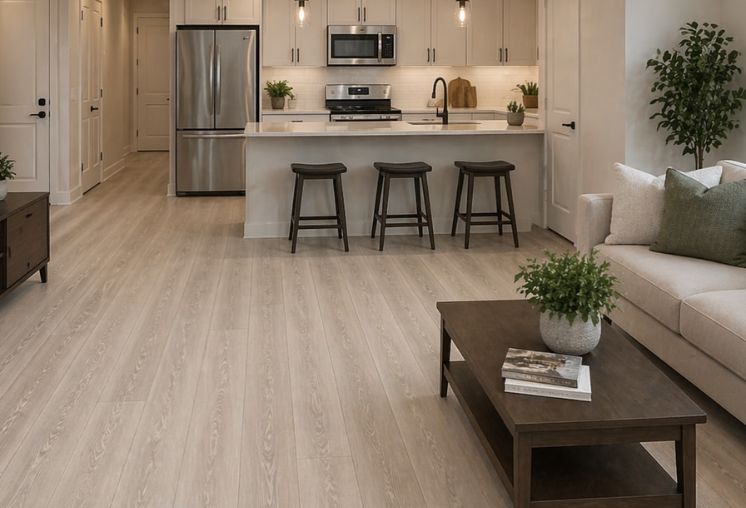
A custom granite kitchen sink can become a distinctive feature in a modern kitchen, especially when the sink is planned alongside the countertop, cabinetry, backsplash, and overall interior design. However, choosing the right stone requires attention to appearance as well as fabrication and everyday use.
Before ordering, consider the stone's colour, pattern, thickness, finish, dimensions, maintenance requirements, and suitability for the proposed sink design.
Comparing Best Italian Marble Dealers in Bangalore
When comparing Best Italian Marble Dealers in Bangalore, do not focus only on marble selections. A supplier or stone showroom may also help you explore different natural-stone options for related kitchen surfaces.
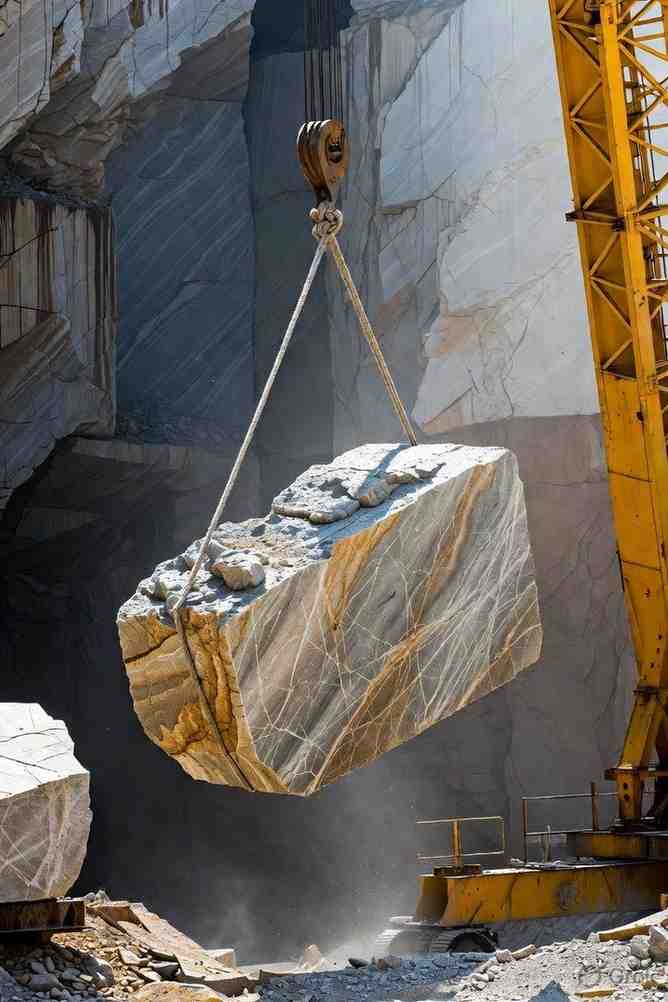
Ask about available slab sizes, finishes, thicknesses, fabrication possibilities, and current stock. Inspecting actual slabs can help you compare colour and natural pattern more accurately than relying on photographs.
Choosing Granite for a Custom Sink
Granite can provide a natural-stone appearance for kitchen applications, with a wide selection of colours and grain patterns. The specific variety should be selected according to the sink design and surrounding countertop.
Before committing to a slab, discuss the proposed sink dimensions and fabrication method with an experienced fabricator. Not every stone configuration will be appropriate for every custom design.
Match the Sink With the Countertop
A custom sink should look integrated with the countertop rather than appearing like a separate element.
Consider whether you want:
Matching stone surfaces
Contrasting colours
A subtle grain
Strong natural movement
Coordinated edge profiles
A seamless visual transition
Using samples of the cabinet, countertop, backsplash, and sink material together can make it easier to judge the final combination.
Consider Granite Colour and Pattern
Granite is available in a broad range of natural colours and patterns. Light shades can create a bright appearance, while darker options can introduce contrast.
The grain and movement should also be considered. A highly patterned surface may become a focal point, whereas a more restrained pattern can work well when the kitchen already contains several visual elements.
Always inspect the actual slab because natural variation means that photographs may not represent the precise material you will receive.
Check Slab Thickness and Dimensions
A custom sink requires accurate planning. Before fabrication, confirm the required slab dimensions and thickness with the fabricator.
The countertop may need openings for the sink, faucet, drainage, or other fixtures. Accurate measurements can help reduce cutting errors and unnecessary material wastage.
If the design includes a large island or extensive countertop area, plan the slab layout before fabrication begins.
Think About the Sink Design
Custom stone sinks can be designed in different ways depending on the kitchen layout and fabrication approach. The sink's size, depth, drainage, edges, and connection with the countertop all need to be considered.
Discuss practical details with the fabricator before selecting the final stone. A visually attractive design also needs to be suitable for everyday kitchen use.
Consider Water and Cleaning Requirements
Kitchen sinks are exposed to water, food residue, cleaning products, and frequent use. The selected stone and finish should therefore be considered in relation to the maintenance routine.
Ask about appropriate cleaning methods and whether any additional care is recommended for the particular stone. Avoid unsuitable cleaning products that could affect the surface.
Plan Drainage Carefully
Drainage is an important part of a custom sink design. The slope, drain position, depth, and surrounding countertop should be planned before fabrication.
Poorly coordinated measurements can affect both functionality and appearance. Provide the fabricator with accurate dimensions and discuss the installation requirements in advance.
Compare Natural Stone Options
Although granite may be the preferred choice for a custom sink project, it is useful to compare other natural-stone options for surrounding surfaces.
Consider the differences in:
Colour
Veining
Grain
Finish
Maintenance
Fabrication
Overall appearance
The final selection should suit the kitchen's design and practical requirements rather than being based solely on the material's appearance.
Inspect the Slab Before Fabrication
Once you have shortlisted a stone, inspect the actual slab before cutting begins. Check the colour, grain, surface condition, thickness, and dimensions.
If the project requires multiple slabs, view them together and plan their positioning. This is especially useful when the natural pattern is an important part of the kitchen design.
Coordinate Supplier and Fabricator
A custom sink project involves more than selecting a slab. The supplier, fabricator, and installer need to work from accurate measurements and an agreed design.
Confirm the sink dimensions, countertop layout, cut-outs, edge details, finish, and installation requirements before fabrication starts.
Good coordination can help prevent avoidable changes or material wastage.
Final Thoughts
Planning a custom granite kitchen sink requires careful consideration of the stone, slab dimensions, colour, pattern, fabrication, drainage, cleaning, and installation. Inspect actual materials and discuss the design with an experienced fabricator before ordering.
For homeowners and designers exploring premium natural stone for kitchen projects, Pratibha Marbles can naturally be considered when comparing suitable stone options for countertops and customised interiors.