Granny Flat Size Guide: Recommended Dimensions, Layouts, and Regulatory Considerations
-

- Published Updated
- 1,296 views
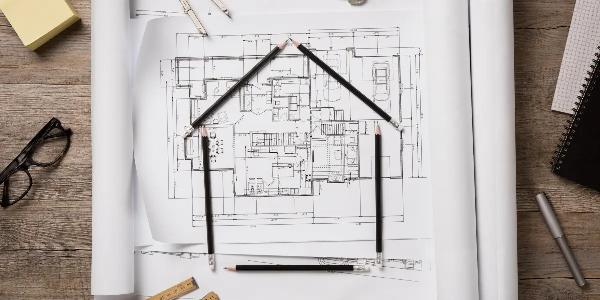
The following granny flat size guide explains typical dimensions, layouts, and regulatory considerations for accessory dwelling units (ADUs) and detached secondary suites. It summarizes common floor areas, minimum room sizes, and planning issues to help homeowners and designers plan a compact, functional living space.
- Typical granny flat sizes: studio 300–500 sq ft (28–46 m2), one-bedroom 400–700 sq ft (37–65 m2), two-bedroom 600–900+ sq ft (56–84+ m2).
- Key constraints: local zoning (setbacks, lot coverage), building codes, utilities and parking requirements.
- Accessible design: 32–36 in doorways, accessible bathroom layout, and clear circulation paths improve long-term usability.
- Permits are required in most jurisdictions; consult the local planning department and national housing guidance for ADUs.
Granny flat size guide: common floor areas and room dimensions
Granny flat size varies with function, lot size, and local rules. Many jurisdictions classify these units as accessory dwelling units (ADUs) and set maximum square footage or percentages of the main dwelling or lot. Typical ranges are:
Studio and micro units
Studio or micro granny flats often fall between 300 and 500 sq ft (28–46 m2). These prioritize open-plan living with a combined sleeping and living area, a compact kitchenette, and a bathroom. Minimum clearances for circulation and fixtures should meet building code requirements for safety and egress.
One-bedroom layouts
One-bedroom granny flats commonly range from 400 to 700 sq ft (37–65 m2). A functional one-bedroom layout often includes a separate bedroom (about 9 x 10 ft or 2.7 x 3.0 m as a common minimum), a small living area, kitchen, bathroom, and sometimes a laundry closet.
Two-bedroom and larger units
Two-bedroom granny flats typically start around 600 sq ft (56 m2) and increase from there. Larger accessory units above 800–900 sq ft may include full kitchens, dedicated living/dining spaces, and additional storage.
Zoning, permits, and building-code considerations
Before designing or building, check local zoning rules, building departments, and utility providers. Regulations commonly address maximum unit size, lot coverage, setback distances, height limits, and parking requirements. Many jurisdictions also require separate permits for electrical, plumbing, and construction.
Local planning and permitting
Local planning departments enforce zoning and ADU regulations. Requirements vary widely: some municipalities allow relatively large ADUs, while others limit size to a percentage of the primary dwelling or a fixed square footage. Contact the local planning office early to confirm allowable sizes and any special conditions.
Building codes and safety
Building codes set standards for structural safety, fire separation, egress, insulation, mechanical systems, and accessibility. In the United States, codes are often based on International Building Code (IBC) or International Residential Code (IRC) provisions and may be enforced locally. National housing resources and local code officials can clarify requirements for exits, smoke and CO detectors, and minimum ceiling heights.
Relevant federal guidance and resources on housing, including ADU-related information, can be found through the U.S. Department of Housing and Urban Development: hud.gov.
Design tips for functionality and accessibility
Efficient layouts
Open-plan designs, combined spaces, and multi-use furniture maximize usable area. Place plumbing runs close to the main house where possible to reduce cost. Consider a compact but full kitchen rather than a kitchenette if occupants will prepare regular meals.
Universal design and accessibility
Incorporating universal design improves long-term usability and may expand rental or resale appeal. Key elements include at least 32–36 in (815–915 mm) clear door widths, zero-step entries where possible, a 5 ft (1.5 m) turning radius in bathrooms for wheelchair access, and properly sized grab-bar locations. Refer to local accessibility standards and building codes for exact requirements.
Site planning, utilities, and costs
Site constraints and orientation
Location on the lot affects allowable size due to setbacks, easements, and existing structures. Solar orientation can improve daylight and reduce energy costs. Landscaping and privacy screening are important when placing a secondary unit near neighboring properties.
Utilities and service connections
Plan for water, sewer or septic, electrical service, and HVAC needs. Tying into existing services can lower cost but may require capacity upgrades or separate metering. Consult utility providers early to determine feasibility and connection fees.
Common layout examples and minimum room sizes
Typical room-size guidance
- Bedroom: commonly at least 70–90 sq ft with minimum dimensions around 9 x 10 ft (2.7 x 3.0 m).
- Living area: flexible depending on total unit size; often 100–200 sq ft for small flats.
- Kitchen: can be as compact as 8–10 linear feet of counter space; full kitchens require room for appliances and clearances.
- Bathroom: usually 20–40 sq ft for a full bath; accessible bathrooms require larger clearances.
Next steps and resources
Start by contacting the local planning and building department for site-specific rules and required permits. Engage an architect or licensed designer familiar with ADUs and local codes to develop sketches that meet regulations and occupant needs. Use official code resources and public housing agencies for additional guidance.
FAQ
What is the recommended square footage in a granny flat size guide?
Recommended square footage depends on desired layout: studios often 300–500 sq ft, one-bedrooms 400–700 sq ft, and two-bedrooms 600–900+ sq ft, subject to local zoning limits.
Do local zoning rules limit granny flat size?
Yes. Zoning can restrict maximum ADU size, lot coverage, setbacks, height, and parking. Always confirm rules with the local planning department before finalizing designs.
How can a small granny flat be made accessible?
Incorporate wider doors, zero-step entries, an accessible bathroom with clear turning space, lever handles, and non-slip flooring. Follow local building codes and recommended universal design practices.
Is a permit required to build a granny flat?
Most jurisdictions require permits for new construction or conversion to a legal accessory dwelling. Permitting typically covers zoning approval, building, electrical, plumbing, and mechanical inspections.